
Equitable Earth, a digital-first carbon certification and verification firm, has raised EUR 12.6 million (USD 13.8 million) to scale its nature-based carbon programs globally, bringing total funding above EUR 25 million. The firm, which provides methodologies recognized under the Integrity Council for the Voluntary Carbon Market’s (ICVCM) Core Carbon Principles, plans to expand technology, monitoring, and verification systems while extending its methodologies into new ecosystems.
While the news is global in scope, the development has direct relevance for Africa, home to some of the world’s most extensive forests, wetlands, and biodiversity-rich landscapes.
Carbon markets have long been promoted as a mechanism to finance climate mitigation and adaptation efforts, but the continent has yet to fully capitalize on the opportunity. Voluntary carbon credits allow corporations and institutions to offset emissions outside regulated compliance schemes, yet buyer confidence has been uneven.

Historically, many African projects have struggled to attract investment due to concerns over permanence, additionality, governance, and measurable benefits for local communities. Equitable Earth’s approach; embedding robust MRV (measurement, reporting, verification) systems and ensuring outcomes across climate, biodiversity, and livelihoods, could help close these gaps and make African projects more “bankable.”
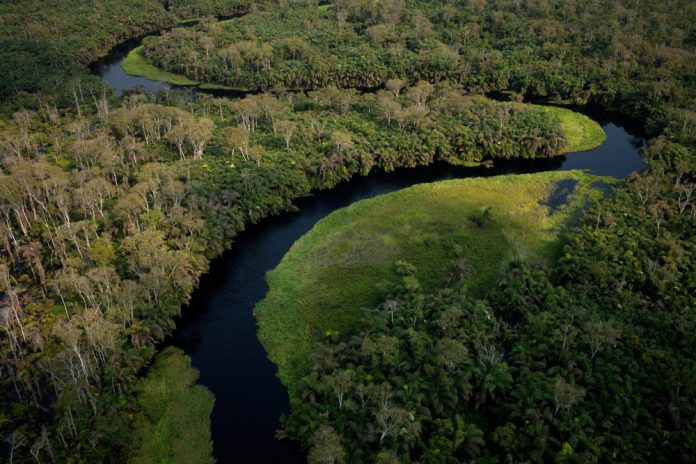
Africa hosts some of the planet’s most critical ecosystems. The Congo Basin, coastal mangroves, and Eastern Arc Mountains, among others, play vital roles in carbon sequestration, water regulation, and biodiversity conservation. These regions also support millions of rural livelihoods. Yet deforestation, land degradation, and climate pressures continue to threaten their integrity.
By standardizing accounting and deploying digital verification tools, Equitable Earth aims to give project developers and buyers confidence that credits reflect real and lasting environmental impact, a prerequisite for unlocking substantial private finance.
Some African governments and conservation groups are already exploring voluntary carbon solutions. Liberia and the Democratic Republic of Congo have piloted REDD+ initiatives to reduce emissions from deforestation, while Kenya has tied carbon projects to improved cookstoves, reforestation, and water management programs.
Despite success at a small scale, expansion has been limited by lack of technical capacity, inconsistent policy frameworks, and limited investor confidence. The growing rigor of global certification standards could help overcome these barriers by providing a clear framework for project design, monitoring, and benefit distribution.
Equitable Earth’s insistence on community participation and equitable benefit-sharing aligns with pressing African realities. Many potential project sites are on customary or community-managed land. Ensuring that local stakeholders receive tangible social, economic, and environmental benefits is critical, both to maintain legitimacy and to support broader climate adaptation objectives. High-quality certification can incentivize investment while preserving the rights and livelihoods of those who directly manage and depend on these ecosystems.
Policy clarity will be essential. African nations must articulate how voluntary carbon finance fits into national climate strategies, define legal frameworks for carbon ownership, and develop regulatory structures that reduce uncertainty for investors. Integration of carbon projects into Nationally Determined Contributions (NDCs) and national adaptation plans could further align incentives, providing both environmental and socio-economic returns.
The timing is significant. COP negotiations under Article 6 continue to determine rules for market-based mechanisms and voluntary offsets. How these rules intersect with voluntary standards like ICVCM’s Core Carbon Principles will influence investor behavior and the scalability of projects in Africa. Quality and transparency are becoming prerequisites for capital, meaning the continent must strengthen governance, technical capacity, and monitoring frameworks to remain competitive.
Read also: Inside Africa’s 2026 energy outlook: New gas hubs, funding gaps and the battle for power access
Properly executed nature-based projects can create jobs, bolster rural incomes, improve ecosystem services, and enhance resilience to climate shocks. African forests and wetlands, when preserved and restored, not only absorb carbon but support water supply, agriculture, and biodiversity.
The expansion of rigorous certification platforms like Equitable Earth’s could catalyze significant private-sector investment in these solutions, provided governments and local institutions are prepared to meet technical and regulatory standards.
Engage with us on LinkedIn: Africa Sustainability Matters