Scientists have redrawn the map of one of Africa’s most iconic rivers. A new study identifies the Lungwebungu River in Angola’s southern highlands as the most distant source of the Zambezi, extending its length by 342 kilometers to a total of 3,421 kilometers. This discovery not only reshapes geographic understanding of Africa’s fourth-longest river but also underlines the critical role Angola’s highlands play in sustaining the river system that supports millions of people, vast ecosystems, and key economic activities across Southern Africa.
The revelation carries profound implications for Africa, where shared river basins are the lifelines of development, energy, agriculture, and biodiversity. The Zambezi traverses or borders Angola, Zambia, Botswana, Malawi, Mozambique, Tanzania, and Zimbabwe, linking hydropower dams, irrigated fields, fisheries, and cultural sites in a network that sustains both rural livelihoods and urban industries.
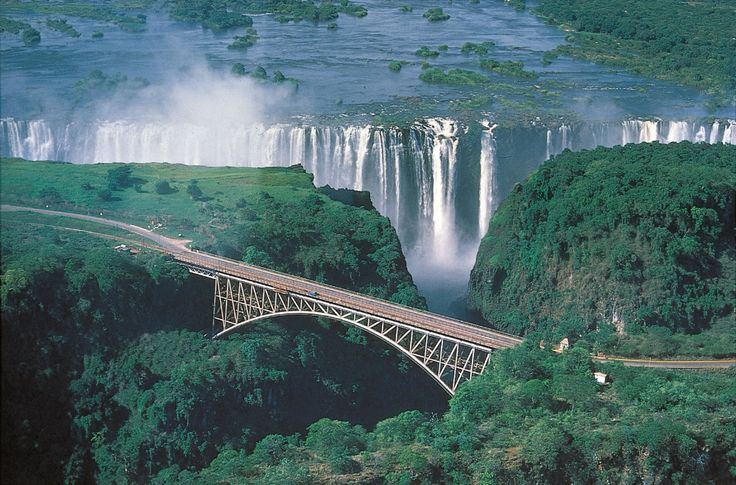
A change in the understanding of the river’s source highlights the need for cooperative management, as upstream activities in Angola now appear even more consequential for water availability downstream, from the turbines of Kariba Dam to the spray of Victoria Falls and the seasonal floods that nourish the Barotse plains in western Zambia.

The Lungwebungu emerges from peatlands and small lakes in Angola’s southern highlands, an area scientists call the Angolan water tower. The river flows 1,032 kilometers before reentering Zambia, feeding the upper Zambezi with roughly 70 percent of its total volume at that point.
Researchers from The Wilderness Project and National Geographic Okavango Wilderness Project documented that the river begins as a narrow trickle, just 16 cubic meters per second, but swells to 900 cubic meters per second as it converges with tributaries such as the Chifumage, Luena, and Luanginga. The dramatic growth underscores the hydrological significance of the Angolan headwaters, which act as a natural reservoir, storing and filtering rainwater through deep Kalahari sands and unbroken miombo woodlands.
Read also: New Kenya youth environmental awards open to support grassroots climate solutions
The clarity and stability of this water flow are vital for downstream ecosystems and communities. In Zambia, the Lozi people rely on the Barotse floodplain to sustain agriculture and cultural tourism, including the annual Kuomboka ceremony, which generates income for local vendors and attracts international visitors. Seasonal droughts already jeopardize these activities, and sedimentation or reduced flows from upstream deforestation could further threaten both livelihoods and food security.
Similarly, Lake Kariba, one of Africa’s largest man-made reservoirs, depends on consistent inflows for hydroelectric generation that powers industries and homes across Zambia and Zimbabwe.
Yet the Upper Zambezi Basin faces mounting pressures. Studies by University of Zambia researchers show that over the past three decades, Angola and Zambia have lost roughly 14 percent of forest cover in the catchment, driven mainly by agricultural expansion. Projections indicate an additional 8 percent could disappear in the next decade if current trends continue.
Deforestation, mining activities, and unregulated land conversion increase sediment loads in the river, degrade water quality, and reduce the basin’s capacity to buffer against droughts, challenges with direct economic and ecological consequences across the region.
The study’s authors emphasize the strategic value of the Angolan highlands for regional water security. The discovery of the Lungwebungu as the Zambezi’s farthest source provides new urgency for transboundary cooperation, highlighting that the river’s health is inseparable from Angola’s stewardship of its headwaters.
Scientists and conservation organizations are already working with local communities to establish protected areas, monitor water quality, and manage wetlands. TWP has set up a research base in the town of Tempue to facilitate long-term studies, combining ecological monitoring with social science approaches that ensure local people have a central role in protecting the catchment.
Read also: Senegal’s economy grows 13.5% after GDP rebasing as IMF flags liquidity risks
The Zambezi’s story is emblematic of Africa’s broader sustainability challenges. Rivers such as the Niger, Congo, and Limpopo face similar pressures: growing populations, shifting rainfall patterns, and fragmented governance threaten the ecosystems and economies they support. In each case, upstream land management, forest conservation, and community engagement determine whether rivers remain viable for agriculture, energy, fisheries, and human consumption.
The Angolan water tower illustrates that even relatively remote landscapes have continent-wide significance, feeding systems that underpin millions of jobs, energy production, and cultural traditions.
As climate change intensifies droughts and floods across Southern Africa, the discovery of the Zambezi’s true source is more than a cartographic correction. It is a call to action: safeguarding the river’s headwaters is inseparable from protecting the region’s economic resilience, environmental health, and social well-being.

The research positions Angola as a critical partner in regional water management, offering both a scientific foundation and a practical mandate for collaborative, basin-wide stewardship that could serve as a model for transboundary rivers across Africa.
The new understanding of the Zambezi underscores the interdependence of African countries in managing shared water resources. Protecting the Angolan highlands is not only about preserving biodiversity and peatlands; it is about sustaining hydropower, agriculture, fisheries, cultural heritage, and livelihoods for tens of millions downstream. In this context, a river’s source is not just a geographic point, it is the linchpin of regional sustainability.
Engage with us on LinkedIn: Africa Sustainability Matters