


The African Development Bank recently approved a $1 million technical assistance programme for Crédit Agricole du Maroc Group, a move that highlights how African development finance institutions are increasingly focusing on the plumbing of green finance rather than headline-grabbing project totals.
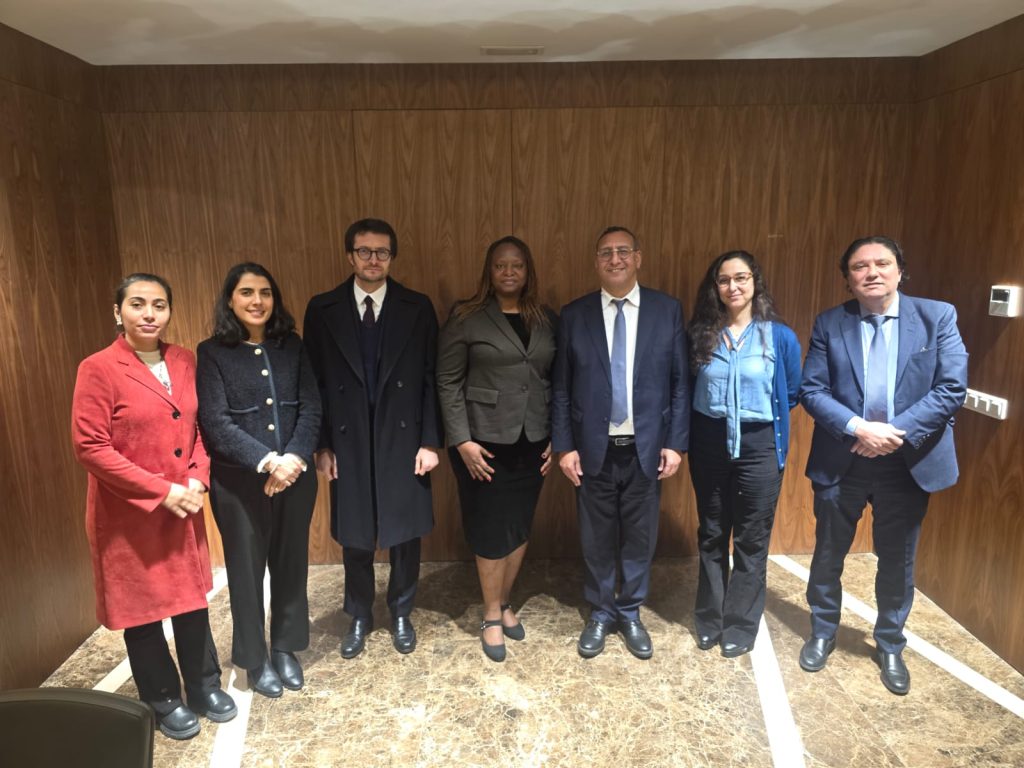
Announced in Rabat in late January, the support is being delivered through the African Development Bank’s African Green Banks Initiative and the Multilateral Cooperation Center for Development Finance. The funding is aimed at strengthening the institutional, operational and financial capacity of Crédit Agricole du Maroc, enabling the bank to identify, structure and finance climate-aligned projects while improving how it tracks and reports their impact.
For Morocco, the programme fits into a longer effort to align domestic financial flows with national climate priorities. The country’s Nationally Determined Contribution commits it to reducing greenhouse gas emissions while adapting agriculture, water systems and infrastructure to rising climate risks. Delivering on those commitments depends not only on public investment, but on whether domestic banks can channel capital into sectors that are both climate-relevant and commercially viable.
The technical assistance will focus on areas where financing gaps are most acute. These include sustainable agriculture and rural development, water management, clean energy, resilient infrastructure and connectivity. In practical terms, this means helping the bank develop internal tools to assess climate risk, structure blended finance transactions, and align lending with international climate finance standards that are increasingly demanded by concessional funds and private investors alike.
African development banks and commercial lenders across the continent have faced similar constraints. While many countries have ambitious climate strategies, local financial institutions often lack the systems required to package projects in ways that meet the requirements of global climate funds or institutional investors. This has left African economies reliant on external intermediaries, slowing disbursement and limiting domestic ownership of climate finance flows.
Read also: AfDB approves $3.9m to help African countries turn energy compacts into power connections
Achraf Tarsim, the African Development Bank’s country manager for Morocco, framed the initiative as a demonstration of African institutions’ ability to finance complex climate investments. He said Morocco’s track record in structural reforms and green finance has positioned it as a reference point on the continent. That reputation has been built over years through reforms in energy, water and agriculture, and through efforts to integrate climate considerations into public planning and finance.
For Crédit Agricole du Maroc, the programme reflects a gradual shift in scope. Historically focused on agriculture and the rural economy, the bank has been expanding into sectors such as resilient infrastructure and connectivity, where climate impacts are increasingly visible.
Flooding, drought and water scarcity now pose material risks not only to farmers but to transport networks, supply chains and regional development plans. Financing responses to those risks requires longer tenors, more complex risk-sharing arrangements and closer alignment with public policy.
Deputy general manager Mustapha Chehhar said the partnership strengthens the bank’s role in supporting Morocco’s climate transition by widening its intervention beyond traditional agricultural finance. The technical assistance is expected to help the bank access international climate finance and crowd in private capital for projects that would otherwise struggle to reach financial close.

The initiative also aligns with the African Development Bank Group’s broader strategy under its president, Dr. Sidi Ould Tah, which emphasises mobilising African financial resources, strengthening financial systems and investing in climate-resilient infrastructure. In that sense, the $1 million grant is less about scale than about leverage. By improving a domestic bank’s ability to intermediate climate finance, the Bank is seeking to unlock larger flows over time.
Since 1978, the African Development Bank Group has mobilised close to €15 billion for more than 150 projects in Morocco, spanning transport, water and sanitation, energy, agriculture, social protection and governance. The latest programme builds on that relationship, but with a sharper focus on how finance itself must adapt as climate risks reshape development priorities.
As African countries face mounting pressure to deliver on climate commitments with limited fiscal space, the ability of domestic banks to originate and manage green investments is becoming a central issue. The Morocco programme offers a window into how development finance is shifting from funding assets to strengthening institutions, a quieter but potentially more durable path to scaling climate action across the continent.


