Nigeria-based climate technology company Gocycle has launched the pilot phase of what it describes as Africa’s first digital e-waste marketplace, introducing a technology-driven platform designed to formalise the collection, trading and recycling of electronic waste while transforming one of the continent’s fastest-growing environmental challenges into a structured economic opportunity.
The pilot programme, which begins across five Local Government Areas in Lagos, seeks to create a transparent, traceable and secure marketplace for end-of-life electronic products, particularly used batteries and other hazardous electronic components. By digitising transactions between households, collectors and recyclers, the platform aims to improve environmental management, strengthen supply chain accountability and support organisations seeking to meet increasingly stringent environmental, social and governance (ESG) commitments. The initiative comes as Africa experiences rapid expansion in renewable energy, battery storage, telecommunications infrastructure and electric mobility. While these sectors are critical to the continent’s low-carbon transition, they are also generating increasing volumes of electronic waste that many countries remain ill-equipped to manage safely.
According to the United Nations Institute for Training and Research (UNITAR) and the International Telecommunication Union (ITU), the world generated more than 62 million tonnes of electronic waste in recent years, making e-waste one of the fastest-growing waste streams globally. Africa contributes a relatively smaller share of global e-waste generation but faces disproportionate challenges due to limited formal recycling infrastructure and rapidly expanding consumption of electronic products. Nigeria, Africa’s largest economy and most populous country, has become one of the continent’s largest destinations for electronic equipment, both new and second-hand. Industry estimates indicate that the country receives more than 100,000 tonnes of electronic waste annually, with much of it entering informal collection and recycling systems.
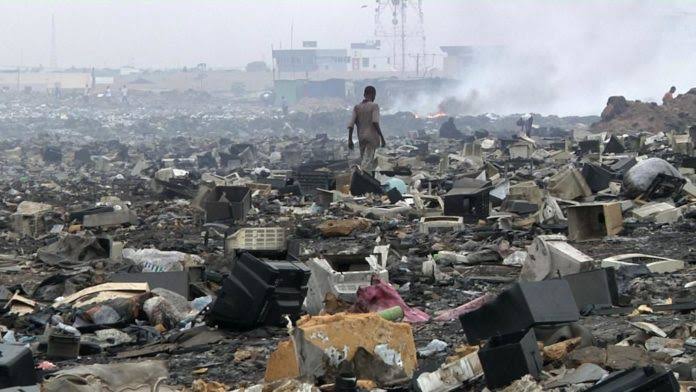
Currently, an estimated 90% of electronic waste is handled by informal collectors and scrap dealers operating outside regulated recycling systems. Valuable materials such as copper, aluminium and other metals are frequently recovered through open burning or rudimentary dismantling techniques that expose workers and surrounding communities to hazardous substances including lead, mercury and cadmium. The environmental and public health implications are significant. According to the World Health Organization (WHO), exposure to toxic substances released during informal e-waste processing has been associated with respiratory illnesses, neurological disorders, developmental challenges among children and contamination of soil and groundwater. As urban populations continue to expand, improving electronic waste management has become both a public health and environmental priority.
Against this backdrop, Gocycle’s digital marketplace seeks to formalise an industry that has historically operated with limited transparency and inconsistent pricing. The platform enables users to schedule waste collection, verify transactions digitally and receive secure payments, creating greater confidence for both waste generators and collectors while improving traceability throughout the recycling value chain.
“E-waste is not just an environmental danger; it is a massive, untapped economic opportunity,” said Emmanuel Okoegwale. “Our marketplace changes everything. By using smart technology and secure payments, we turn volatile e-waste into an accountable business opportunity and improve ESG mandates for organisations.”
The emphasis on digital traceability reflects growing demand from manufacturers, investors and regulators for greater transparency within supply chains. As companies strengthen ESG reporting and circular economy strategies, the ability to demonstrate responsible waste collection, material recovery and recycling has become increasingly important for regulatory compliance and investor confidence. Early results from the Lagos pilot suggest the platform is already improving operational efficiency. According to Gocycle, digital scheduling has reduced collectors’ idle time by approximately 70%, allowing them to complete more collections while increasing household participation by offering clearer pricing and more convenient collection services.
Beyond environmental outcomes, the initiative also highlights the economic potential of Africa’s circular economy. Rather than viewing electronic waste solely as an environmental liability, policymakers and entrepreneurs are increasingly recognising its value as a secondary source of critical raw materials required for manufacturing, renewable energy technologies and electric mobility. According to the United Nations Environment Programme (UNEP), transitioning towards circular economy models could generate significant economic benefits across Africa by reducing waste, improving resource efficiency, creating employment opportunities and lowering dependence on imported raw materials.
This opportunity is becoming increasingly relevant as demand for batteries, solar equipment, telecommunications infrastructure and consumer electronics continues to rise. Africa’s accelerating digital transformation and clean energy transition will inevitably generate larger volumes of end-of-life equipment, making formal recycling systems essential components of sustainable economic development.Electronic waste management also intersects with climate policy. Recovering metals and components through recycling generally requires significantly less energy than extracting virgin materials, reducing greenhouse gas emissions while conserving finite natural resources. Proper disposal of batteries and hazardous electronic components also limits environmental contamination and supports responsible resource management.
Nigeria has already taken important regulatory steps to strengthen e-waste governance. Through initiatives led by the National Environmental Standards and Regulations Enforcement Agency (NESREA), the country has introduced extended producer responsibility frameworks and licensing requirements for formal recyclers. However, implementation challenges remain, particularly within informal collection networks that continue to dominate the sector. Digital platforms such as Gocycle could complement existing regulatory efforts by improving market transparency while integrating informal waste collectors into formal recycling systems rather than displacing their livelihoods. Formalisation offers opportunities to improve occupational safety, increase incomes and strengthen environmental compliance simultaneously.
Looking ahead, Gocycle aims to expand the platform beyond Lagos by onboarding more than 50,000 active collectors across Africa over the next five years, creating a scalable marketplace capable of supporting responsible electronic waste management across multiple countries. The expansion aligns with broader continental ambitions under the African Continental Free Trade Area (AfCFTA), which seeks to strengthen regional value chains and promote industrial development. Developing cross-border recycling industries could support manufacturing, reduce material imports and create new employment opportunities within Africa’s growing green economy.
https://www.aecweek-registration.com/2026/
For Africa, the significance of digital e-waste platforms extends well beyond waste collection. They represent an emerging intersection between climate technology, digital innovation, environmental governance and inclusive economic development. As the continent accelerates investments in renewable energy, electric mobility and digital infrastructure, ensuring that end-of-life technologies are responsibly managed will become increasingly important for achieving sustainable growth.
Ultimately, Gocycle’s marketplace illustrates how innovation can transform environmental challenges into economic opportunities. By combining digital technology with circular economy principles, the platform demonstrates a practical model for improving resource efficiency, supporting ESG compliance and strengthening Africa’s capacity to manage one of its fastest-growing waste streams while creating more inclusive green employment opportunities.