


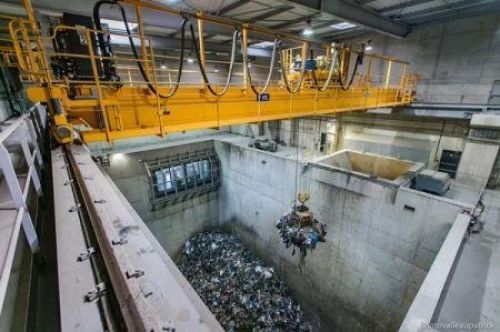
Guinea is seeking foreign investment to develop a waste-to-energy sector that could strengthen electricity generation, improve urban waste management and support the country’s broader strategy to attract private capital into infrastructure. The initiative has gained momentum as international companies and governments explore opportunities to convert municipal waste into renewable electricity, biofuels and other useful products.
China became the latest potential partner to express interest in Guinea’s waste-to-energy ambitions on July 7, when Wang Hui, economic and commercial counsellor at the Chinese Embassy in Guinea, said Beijing was prepared to support projects that use waste conversion technologies to generate power. The announcement followed Prime Minister Bah Oury’s visit to China, where he toured a waste-to-energy power facility. According to Chinese officials, cooperation with Guinea could include the introduction of waste treatment technologies, development of electricity generation projects and support for greener urban development. The discussions reflect growing international interest in Africa’s emerging circular economy opportunities, particularly in countries seeking to address both energy shortages and waste management challenges.
Guinea’s interest in waste-to-energy comes as the country works to expand electricity access and diversify its power generation sources. Although Guinea has significant hydropower potential, challenges related to infrastructure development, grid expansion and growing electricity demand have created the need for additional energy solutions. The government is therefore exploring waste-to-energy as a complementary source of power alongside planned investments in hydropower and solar energy. By converting waste into electricity, the country aims to address two infrastructure challenges simultaneously: improving sanitation systems and increasing energy supply.
The latest Chinese interest follows discussions between Guinean authorities and other international investors. In June, Guinea’s Ministry of Sanitation, Water Resources and Hydrocarbons held discussions with U.S.-based LandAir Inc. on projects designed to convert waste into biofuels, organic fertilisers and renewable electricity. The company also presented solutions aimed at supplying power to peri-urban communities and areas that remain outside the reach of the national electricity grid. Such decentralised approaches could support broader electrification efforts, particularly in rapidly growing urban areas where extending conventional grid infrastructure may require significant investment.
Earlier in March, another U.S. company, SATAREM Company USA Inc., presented a $250 million proposal to develop waste processing facilities capable of producing approximately 30 megawatts of electricity from household waste and sewage sludge. The proposed project aligns with Guinea’s Simandou 2040 strategy, which seeks to accelerate economic transformation through investment in infrastructure, mining, industry and productive sectors. While Simandou has primarily been associated with iron ore development, the government has positioned the strategy as a broader economic transformation framework requiring improved infrastructure and energy capacity. For Guinea, waste-to-energy represents an opportunity to create value from materials that are often treated as environmental liabilities. Rapid urbanisation across African cities has increased pressure on waste collection and disposal systems, creating public health, environmental and economic challenges.
Turning waste into energy can help reduce landfill dependency while creating new industrial activities around waste collection, processing and power generation. However, successful implementation requires strong municipal systems, reliable technology, regulatory frameworks and long-term investment commitments. The projects under discussion also reflect a wider shift in Africa’s energy landscape, where governments are seeking diversified power systems capable of supporting economic growth. Reliable electricity remains a critical requirement for industrial development, digital services, manufacturing and job creation. Under Guinea’s Energy Compact, the country aims to increase electricity access from approximately 53% to universal coverage by 2030 while mobilising $7.6 billion in private investment. Achieving this target will require significant expansion of generation capacity, transmission networks and distribution infrastructure.
Waste-to-energy could contribute to this objective by adding another generation source while supporting environmental management. Similar approaches are being explored in other African markets where cities are facing rising waste volumes and increasing demand for reliable electricity. However, the success of Guinea’s waste-to-energy ambitions will depend on project financing, technical capacity and effective implementation. Waste conversion facilities require consistent waste supply chains, appropriate collection systems and operational expertise to remain commercially viable.
https://www.aecweek-registration.com/2026/
The involvement of foreign investors suggests growing confidence in Guinea’s infrastructure opportunities, but attracting capital will require continued progress on regulatory clarity, investment frameworks and institutional coordination. For African economies, waste-to-energy projects represent a broader opportunity to link environmental management with economic development. When effectively designed, such projects can support renewable energy expansion, create industrial opportunities and contribute to more sustainable urban growth. Guinea’s emerging waste-to-energy agenda therefore reflects a wider development challenge facing the continent: how to transform urbanisation and resource pressures into opportunities for infrastructure investment, energy security and economic transformation.


