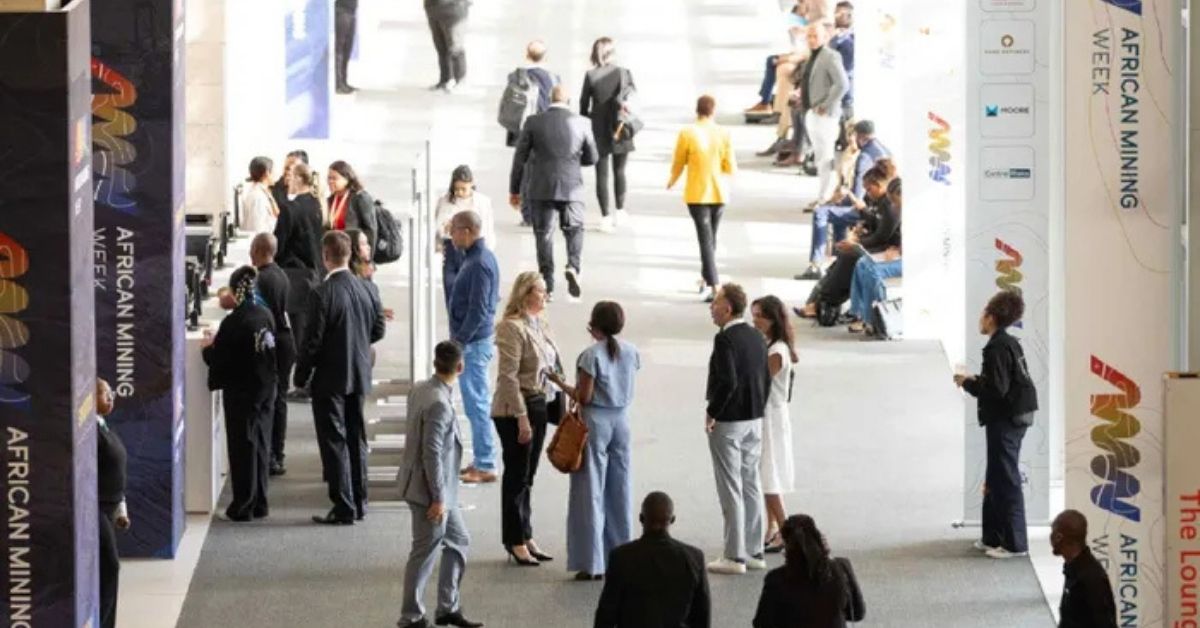

African governments are moving to synchronize mining regulations and accelerate domestic mineral processing as the continent prepares for the 2026 edition of African Mining Week, according to a draft program released on Tuesday.
The summit, scheduled for October 14–16 in Cape Town, arrives as geopolitical competition for energy transition metals intensifies, pressuring African states to convert their estimated 30% share of global mineral reserves into long-term industrial growth rather than temporary commodity windfalls.
The race to secure supply chains for cobalt, lithium, and copper, demand for which is projected to triple by the end of the decade, has shifted the focus of African mining from simple extraction toward integrated value addition.
For many African exchequers, the strategic priority is no longer confined to attracting foreign direct investment; it now encompasses the integration of mining projects with local manufacturing and infrastructure. This structural shift is reflected in the upcoming conference’s agenda, which prioritizes local beneficiation to mitigate the volatility of raw commodity markets and retain a greater share of the global value chain.
According to the organizers, Energy Capital & Power, the 2026 program emphasizes regional policy alignment through frameworks like the African Continental Free Trade Area. Nigeria and Ghana, two of West Africa’s largest mining jurisdictions, are increasingly advocating for harmonized codes to create scale for international investors.
Emmanuel Armah-Kofi Buah, Ghana’s Minister of Lands and Natural Resources, noted earlier this year that isolated legal frameworks are insufficient to unlock the continent’s mineral potential, highlighting the ECOWAS Mining Code as a vehicle for a more competitive regional mineral economy.
The push for mineral corridors, integrated transport and energy networks connecting mines to processing hubs and ports, represents a significant shift in African infrastructure planning.
Nigeria’s Minister of Solid Minerals Development, Dele Alake, has framed this as an essential step toward developing industrial hubs that generate cross-border employment and value. For international investors from the United States, Europe, and China, the implication is a changing landscape where access to resources is increasingly tied to commitments to build local technical capacity and processing facilities.
As Cape Town prepares to host these delegations, the success of the 2026 mineral drive will likely be measured by the ability of African states to finalize these regulatory reforms.
The transition from an extraction-based model to an industrial one carries significant execution risks, particularly regarding energy reliability and trade barriers, yet it remains the central pillar of the continent’s strategy to secure a sustainable fiscal future in a decarbonizing global economy.
Engage with us on LinkedIn: Africa Sustainability Matters