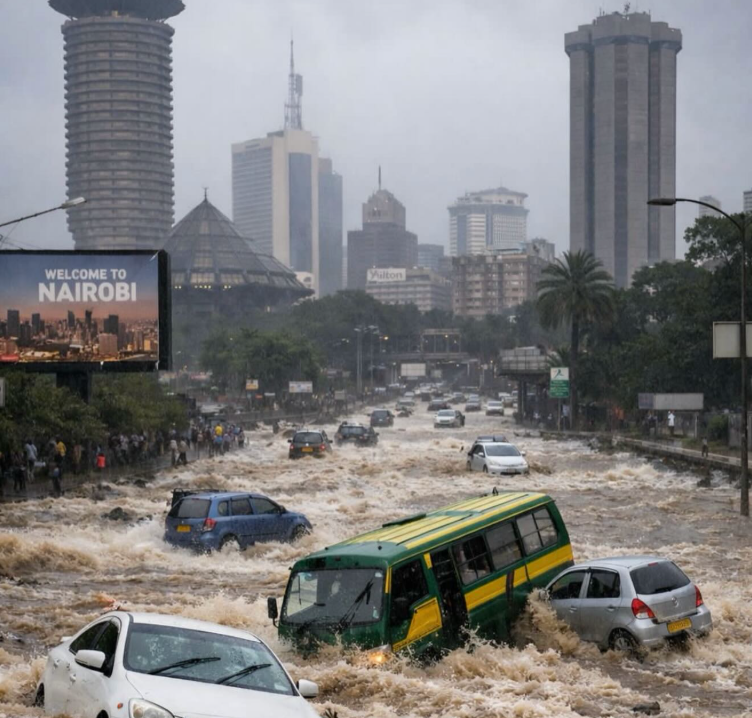

The first week of March 2026 caught Nairobi residents off guard, as torrential rains triggered flash floods that swept through the Kenyan capital, killing at least 42 people (as of 9th March), damaging hundreds of vehicles, and disrupting the city’s busiest airport.
The sudden inundation left motorists stranded, submerged homes, and forced authorities to deploy the Kenya Defence Forces alongside emergency responders to rescue those trapped by rising waters.
According to police commander George Seda, the death toll could rise as search operations continue, highlighting both the human and infrastructural vulnerabilities of a city struggling to manage rapid urban growth amid increasingly volatile weather.
The floods struck on the night of March 6, following an intense downpour that deposited between 30 and 70 millimetres of rain across Nairobi, according to the Kenya Meteorological Department.
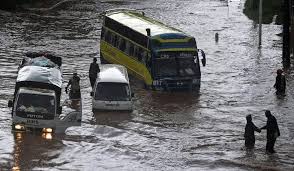
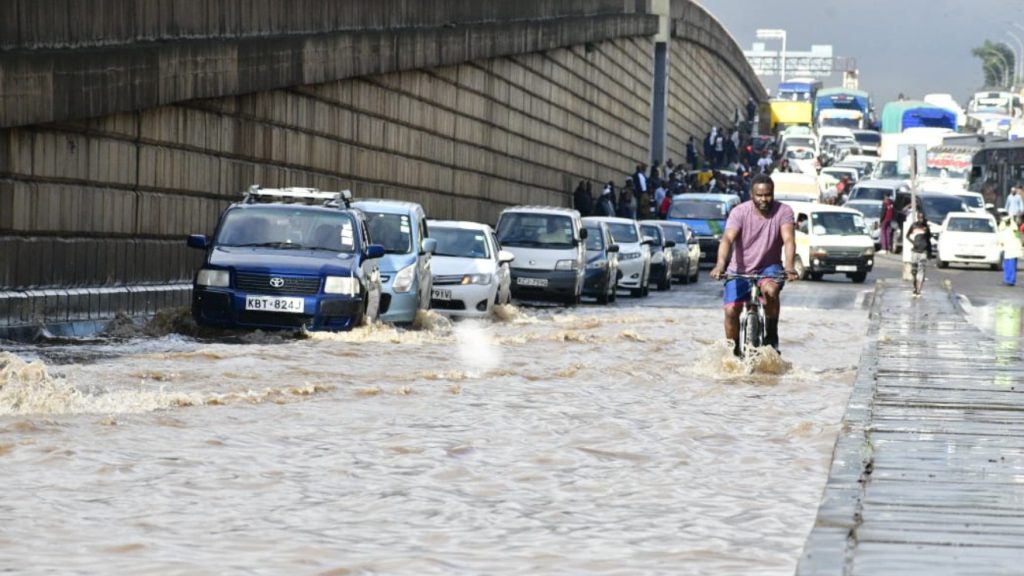
Rivers such as the Nairobi River overflowed their banks, engulfing industrial zones and low-lying residential areas in Grogan, Kamulu, and parts of Westlands. Streets including Mombasa Road and Uhuru Highway were partially submerged, forcing drivers to wade through hip-deep water or abandon their vehicles entirely.
Some residents reported being electrocuted after contact with submerged power lines, while others were swept away in torrents that overturned parked cars and trucks.
The capital’s transport and logistics infrastructure suffered significant disruption. Jomo Kenyatta International Airport, East Africa’s busiest aviation hub, experienced flight cancellations and diversions to Mombasa, while road closures delayed freight and commuter movement across the metropolitan area.
The flooding also damaged key water supply pipelines managed by Nairobi City Water and Sewerage Company, affecting at least 15 estates including Dandora, Buruburu, Mathare, and parts of Eastleigh.
Engineers were mobilised to remove debris from the Ngethu Water Treatment Plant and restore distribution lines, but authorities warned that service interruptions could continue for days.
Residents and observers pointed to inadequate drainage and blocked channels as key factors exacerbating the floods. Nairobi’s urban layout, shaped during colonial administration and expanded rapidly post-independence, has increasingly struggled to accommodate the city’s estimated five million inhabitants.
Land reclamation, informal settlement growth, and unplanned road construction have reduced natural water-absorbing areas, while river encroachments and insufficient maintenance of drainage networks amplify flood risks. One witness in Grogan described the Nairobi River as “full of cars and debris,” underscoring the scale of urban vulnerability.
The floods come at a particularly sensitive time for Nairobi’s economy and governance calendar. Several national and regional events scheduled for March; including trade summits, infrastructure expos, and political meetings, face uncertainty due to impassable roads, disrupted transport links, and the redeployment of emergency services.
Analysts note that the city’s role as Kenya’s financial and logistical hub amplifies the wider implications of such disruptions, potentially affecting regional supply chains and commercial activities across East Africa.
Heavy rainfall and urban flooding are not isolated to Nairobi. Earlier in 2026, Mozambique experienced extensive flooding along the Zambezi River, displacing communities and damaging roads and bridges.
Southern African cities, particularly in low-lying coastal and riverine areas, have faced similar challenges during cyclone and rainy seasons, highlighting the vulnerability of rapidly urbanising regions across the continent to extreme weather events intensified by climate variability.
The economic and fiscal impacts of Nairobi’s flooding are expected to be significant. Emergency response, road repairs, drainage upgrades, and restoration of water and power systems impose additional costs on county and national budgets, already under pressure from rising debt and development spending.
Analysts emphasise that recurring extreme weather events, if unaddressed, could increasingly strain public resources and undermine urban service delivery.
Kenya has sought to reduce urban flood risks through initiatives such as the Nairobi River Regeneration Programme, which aims to restore river ecosystems, clear encroachments, and upgrade drainage infrastructure.
Yet experts caution that structural interventions alone are insufficient. Effective mitigation requires coordinated investment across stormwater management, land-use planning, and informal settlement upgrading; areas that often face complex governance and financing challenges.
The events of early March also reflect broader shifts in rainfall patterns across East Africa. The Kenya Meteorological Department has issued warnings of continued heavy rain and potential flooding through March 9, noting that the long rainy season typically begins in late February. In Nairobi, these conditions converge with population density and infrastructure deficits, creating acute exposure to climate-related hazards.
For Nairobi’s residents, the floods are a stark reminder of the uncertainty that climate variability can impose on everyday life. Beyond immediate risks to life and property, they threaten the continuity of urban services, the safety of transport networks, and the reliability of commercial and public events. As African cities continue to expand, the challenge of reconciling rapid urban growth with resilient infrastructure remains central to both economic stability and public safety.
The capital now faces the dual task of responding to immediate humanitarian needs while addressing structural vulnerabilities that make such events increasingly likely.
Engage with us on LinkedIn: Africa Sustainability Matters