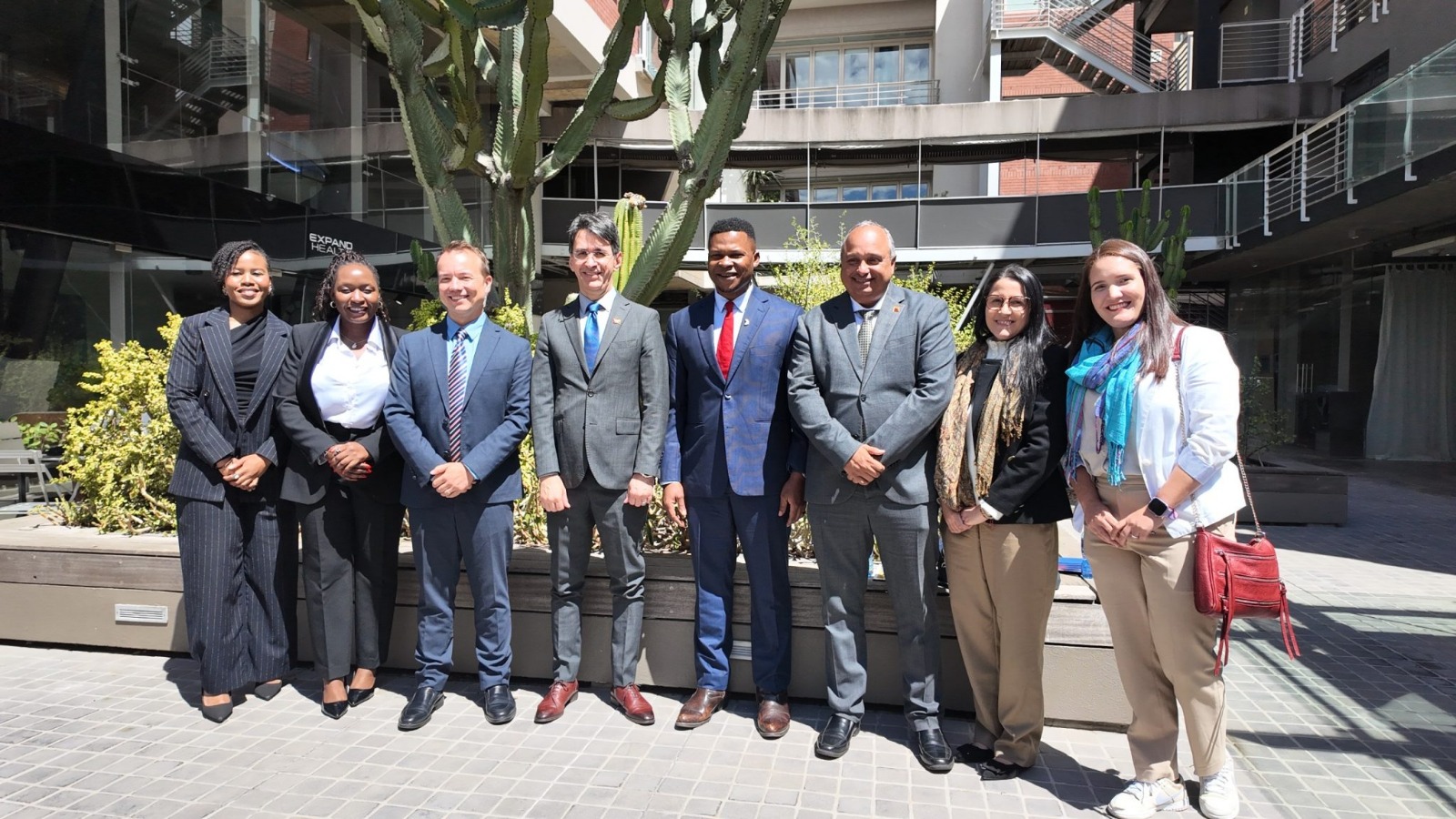

Venezuela’s Deputy Minister of Artificial Intelligence and Productive Efficiency of Hydrocarbons, Arturo Gil, met with energy officials and private sector representatives in Cape Town on Friday to formalize a technical and investment partnership aimed at linking the South American nation’s mature oil sector with Africa’s emerging energy markets.
The diplomatic mission follows a memorandum of understanding signed in Caracas in February 2026 between Venezuelan petroleum authorities and the African Energy Chamber, marking a strategic pivot by Caracas to export its century-old extractive expertise to African frontier basins.
According to officials familiar with the discussions, the collaboration focuses on bridging the technical gap in African states such as Namibia and Angola, where recent offshore discoveries require sophisticated geological data interpretation. The partnership outlines a framework for 10 to 15 African energy stakeholders to undergo specialized training at Venezuela’s University of Hydrocarbons. This knowledge transfer is positioned as a mechanism to bolster the technical autonomy of African national oil companies, which often remain dependent on Western or Asian service providers for high-level basin analysis.
For African economies, the engagement represents a diversification of South-South cooperation at a time when traditional financing for hydrocarbons faces increasing scrutiny from international climate-aligned lenders.
The African Energy Chamber has suggested that Venezuela’s experience in managing brownfield redevelopments and mature assets could provide a blueprint for African independent producers, particularly in Nigeria, where local firms are increasingly taking over assets divested by international majors. By leveraging Venezuelan data on geological similarities between the two regions, African operators seek to reduce exploration risks and shorten the timeline from discovery to first oil.
The fiscal implications of this tie-up extend to the proposed African Energy Bank, an institution designed to shield the continent’s fossil fuel projects from global divestment trends. Venezuelan participation in continental initiatives is expected to focus on midstream infrastructure, specifically the capture of flared gas to address energy poverty.
With an estimated 600 million Africans lacking electricity, the transfer of liquefied petroleum gas technologies from Venezuela, which holds some of the world’s largest proven gas reserves, is framed as a pragmatic approach to industrialization and clean cooking transitions.
However, the partnership faces structural hurdles, including the logistical complexities of trans-Atlantic trade and the volatile regulatory environments in both regions. While the Venezuelan delegation highlighted an investment pipeline involving 1,000 planned wells, the realization of these projects depends on the ability of African and Venezuelan institutions to navigate international sanctions and secure capital.
As African states balance the demands of the global energy transition against immediate domestic development needs, the success of this alliance will likely be measured by the extent to which technical cooperation translates into tangible increases in production and reduced energy costs for local markets.
Engage with us on LinkedIn: Africa Sustainability Matters