


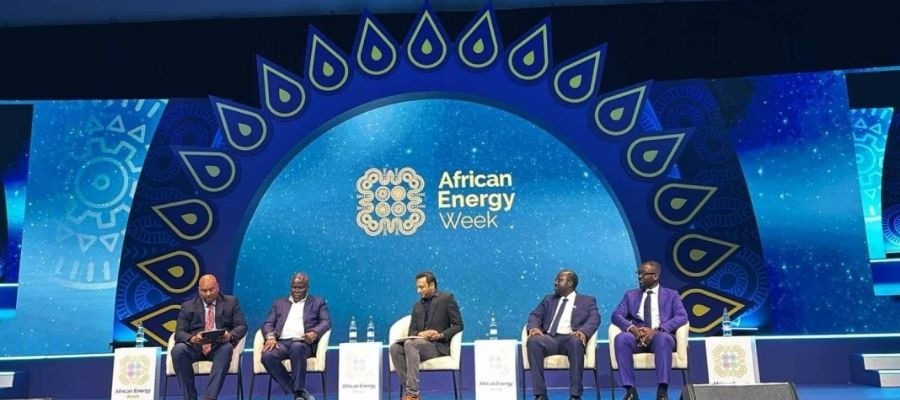
The launch of the African Energy Week (AEW) 2026 investment agenda in Cape Town this October comes as African nations confront a persistent $31 billion to $50 billion annual energy finance gap that threatens to stall industrialization and universal electrification targets. Managed by the African Energy Chamber, the strategic roadmap arrives amid a global realignment of supply chains, where international partners are increasingly viewing the continent’s 125 billion barrels of crude and 620 trillion cubic feet of gas as essential for global energy security. For African economies, the summit represents more than a policy dialogue; it is a structured marketplace designed to convert vast resource wealth into the bankable infrastructure projects required to serve nearly 600 million people currently living without electricity.
The fiscal stakes are particularly acute for mature producers like Nigeria, Angola, and Libya, which are aggressively deploying new licensing rounds to arrest production declines and diversify state revenues. Nigeria’s 2026 licensing round, offering 50 upstream blocks, aims to attract $10 billion in fresh capital, leveraging the 2021 Petroleum Industry Act to provide the contractual certainty long demanded by global majors. According to the Nigerian Upstream Petroleum Regulatory Commission, these efforts are vital to reviving underutilized assets and supporting domestic refining capacity at a time when oil losses have reached historic lows. In Libya, the reopening of the upstream sector after a 17-year hiatus signals a critical return to the global market, with the National Oil Corporation targeting a production double to 3 million barrels per day to stabilize national public finances.
While hydrocarbons provide the immediate fiscal floor for many African states, the 2026 agenda reflects a pragmatic shift toward an integrated energy mix where gas-to-power and renewables function as complementary pillars. Large-scale projects like Congo LNG Phase 2 and the resumption of Mozambique LNG are being framed as industrial catalysts rather than mere export commodities. These gas resources are increasingly intended to fuel domestic power grids and fertilizer plants, reducing the heavy import bills that currently drain foreign exchange reserves. Simultaneously, the continent is witnessing a surge in renewable commitments, with the UAE’s $4.5 billion Africa Green Investment Initiative and more than 13 GW of utility-scale solar and wind projects signaling a transition toward more resilient, decentralized energy systems.
The economic implications of this investment drive extend deeply into Africa’s manufacturing and small business sectors. Unreliable electricity currently costs sub-Saharan African economies between 1% and 4% of GDP annually, with Nigerian enterprises losing up to 7% of potential output to power outages. By prioritizing “Energy Finance & Downstream” and “Powering Africa” forums, the AEW agenda addresses the structural inefficiencies of state utilities and the high cost of diesel-dependent operations. According to the World Bank, achieving the 2030 goal of connecting 300 million people under the Mission 300 initiative requires electricity-access investment to scale toward $15 billion annually, a figure that dwarfed recent commitments of less than $2.5 billion per year.
Ultimately, the 2026 strategic agenda positions technical de-risking and regional integration as the primary tools for attracting selective global capital. Through platforms like the “Drill Room” and “Innovation Hub,” the summit aims to move beyond high-level pledges toward the technical and commercial finalization of deals. For African institutions, the success of this agenda will be measured by its ability to foster domestic value addition and create high-skilled jobs in emerging sectors like green hydrogen, which currently hosts $194 billion in planned investments across 78 proposed projects. As competition for international finance intensifies, the ability of African governments to align fiscal regimes and strengthen local content will determine whether this year serves as a lasting turning point for the continent’s economic sovereignty.


