


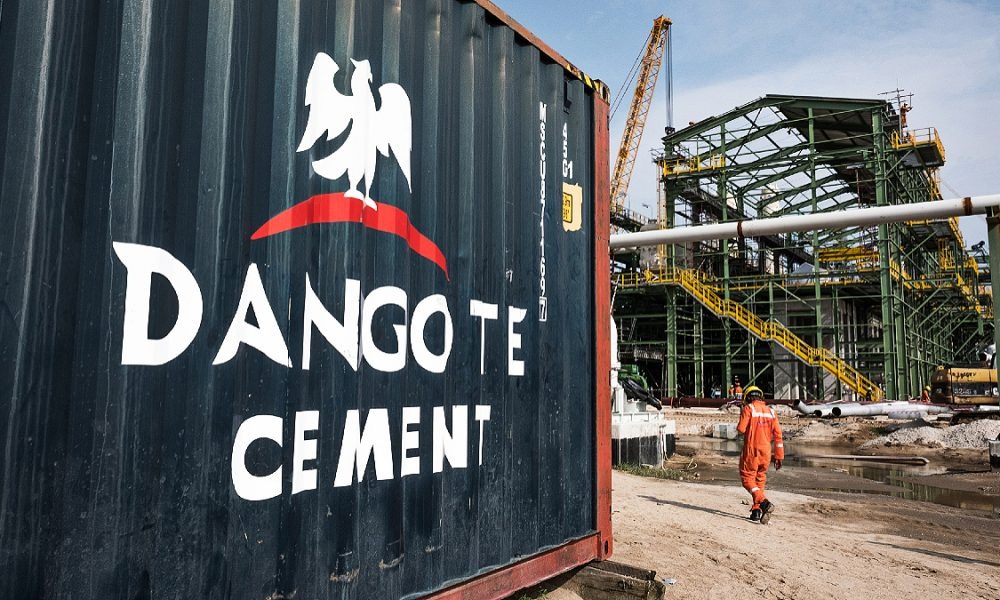
Dangote Cement, Africa’s largest cement manufacturer, has entered into a $1 billion agreement with China’s Sinoma Engineering to expand its production footprint and modernize existing facilities across seven African nations. The deal, announced in an official statement, focuses on increasing output in Nigeria and Ethiopia, while signaling a potential revival of the group’s long-stalled expansion plans in Cameroon.
For the continent’s construction sector, the contract represents a significant capital injection into the industrial infrastructure required to support urbanization and housing demand, yet in markets like Cameroon, the investment arrives amid intensifying regulatory scrutiny over pricing and market overcapacity.
The scope of the Sinoma contract covers a diverse geography including Cameroon, Ethiopia, and Nigeria, although Dangote Cement has yet to specify the exact nature of its planned investment in the Cameroonian market. Industry analysts suggest the group is evaluating two distinct pathways: the expansion of its current 1.5-million-tonne facility in Douala or the reactivation of a second plant in Nomayos, on the outskirts of Yaoundé.
The Nomayos project, initially budgeted at 88 billion CFA francs, has remained largely dormant since it was first proposed in 2015. Despite receiving government clearance to proceed with construction in 2024, the site has seen little activity, though the new partnership with Sinoma provides the technical and financial framework necessary to break ground.
From a regional development perspective, the expansion of the pan-African cement giant underscores the ongoing shift toward localized industrialization.
However, the Cameroonian market illustrates the complexities of achieving price stability through competition. Since Dangote’s entry in 2015 ended the nearly five-decade monopoly held by Cimencam, a subsidiary of LafargeHolcim Maroc Afrique, the market has seen a surge of new entrants including Cimaf, Medcem, and Mira Company.
According to industry data, Cameroon’s national production capacity is currently approaching 12 million tonnes per year, significantly exceeding an estimated domestic demand of 8 million tonnes.
Despite this apparent overcapacity, retail prices for cement remain stubbornly high, with a 50-kg bag trading between 5,100 and 5,300 CFA francs in major urban centers.
This price disconnect has drawn the attention of the Ministry of Commerce, where Minister Luc Magloire Mbarga Atangana has raised concerns regarding potential illegal price-fixing among the country’s growing list of producers.
While manufacturers frequently cite the high cost of importing clinker, a primary raw material, as the driver of retail costs, the government’s focus on anti-competitive behavior highlights the governance risks associated with rapid industrial expansion in concentrated markets.
For African public finances and infrastructure systems, the implications of the $1 billion Sinoma deal extend beyond simple volume increases.
The modernization component of the contract suggests a focus on operational efficiency and potentially lower carbon intensity, an increasingly relevant factor as African industries face growing pressure to align with global ESG standards.
Efficient domestic production is critical for reducing the fiscal drain caused by construction material imports, which can weaken national currencies and deplete foreign exchange reserves.
As Dangote Cement integrates these new production lines across its portfolio, the primary challenge remains translating industrial scale into affordable infrastructure. In Cameroon, the anticipated entry of the Société de ciment du Cameroun further densifies the competitive landscape.
According to market observers, the long-term viability of these capital-intensive projects will depend on whether producers can resolve input supply chain bottlenecks, such as domestic clinker production, and whether regulatory bodies can ensure that the benefits of competition are passed on to the end consumer.


