


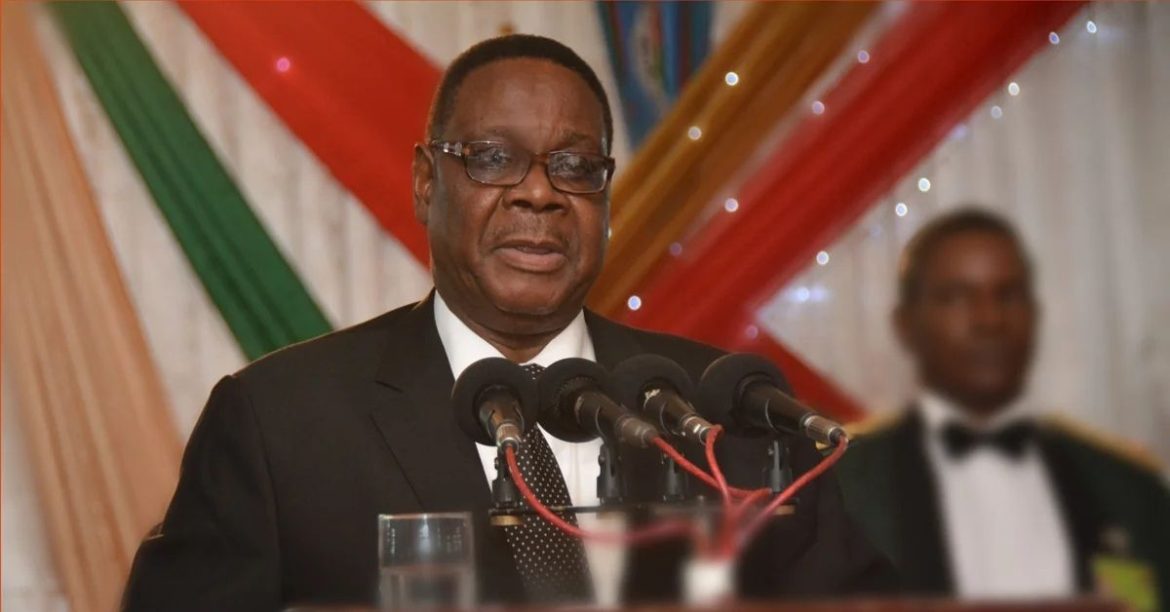
Malawi is undertaking a bold restructuring of its mining sector, signaling a decisive shift from raw resource extraction to value-driven industrial development. In his February 2026 State of the Nation address, Peter Mutharika announced the suspension of all new mining licences and ordered a comprehensive audit of existing permits, pending a full review of the country’s mining laws. This move reflects growing recognition that the sector has not delivered meaningful national income despite its vast mineral potential.
By directing ministers to strengthen institutional expertise in contract negotiations, the government aims to secure more equitable deals with investors. This policy direction mirrors a broader continental trend, where African governments are increasingly seeking to rebalance power dynamics in extractive industries.
A key pillar of the reform strategy is the empowerment of Malawi’s state mining company to actively participate in exploration and resource development. This marks a shift from a largely passive regulatory role to a more interventionist model where the state becomes a direct stakeholder in resource extraction. Such an approach is expected to enhance national control over strategic minerals while ensuring that a greater share of value remains within the domestic economy.
In line with these institutional reforms, the government has announced plans to establish a Sovereign Wealth Fund. This mechanism is designed to channel mineral revenues into long-term national development priorities, ensuring that resource wealth translates into tangible benefits for citizens. If effectively managed, the fund could play a critical role in stabilizing public finances and supporting intergenerational equity.
These measures build upon an earlier landmark policy introduced in October 2025, when President Mutharika imposed an immediate ban on the export of raw, unprocessed minerals. The directive, announced in Blantyre, explicitly prohibits the export of unrefined ores including uranium, rare earth elements, graphite, gemstones, and other strategic resources requiring instead that all minerals undergo local processing before export.
The raw export ban represents a strategic effort to catalyze domestic industrialization by encouraging investment in local processing and beneficiation industries. By retaining more stages of the value chain within its borders, Malawi aims to create jobs, build technical capacity, and significantly increase export revenues. However, the success of this policy will depend on complementary investments in infrastructure, energy, and skills development.
Collectively, these reforms signal Malawi’s ambition to transform its mining sector into a sustainable engine of economic growth. Moving away from a purely extractive model, the country is positioning itself to capture greater value from its natural resources while aligning with emerging best practices in resource governance across Africa.
Malawi’s sweeping mining reforms mirror a broader wave of resource nationalism unfolding across Africa, with clear parallels to recent developments in Senegal. Much like the licence revocations and contract audits led by Ousmane Sonko, the Malawian government is reassessing the fairness and developmental impact of existing extractive agreements.
Read also: Senegal revokes 71 mining licences as West Africa resource nationalism rises
Similar policy shifts are emerging elsewhere on the continent: Zimbabwe has moved to restrict raw lithium exports to spur local processing, while Ghana and Tanzania have strengthened local content rules and increased state participation in mining ventures. Together, these developments point to a continent-wide pivot toward tighter state oversight, value addition, and a more strategic approach to resource governance aimed at retaining greater economic benefit within national economies.
President Mutharika’s emphasis on value-addition follows a wider African trend. For example, neighboring Zimbabwe suspended exports of raw lithium concentrates in early 2026 to force local processing,explicitly citing a need for in-country value addition and beneficiation of its minerals . Supporters of the ban argue it will help Malawi capture more of the mining value chain for its own economy, rather than losing out on jobs and revenue.


