


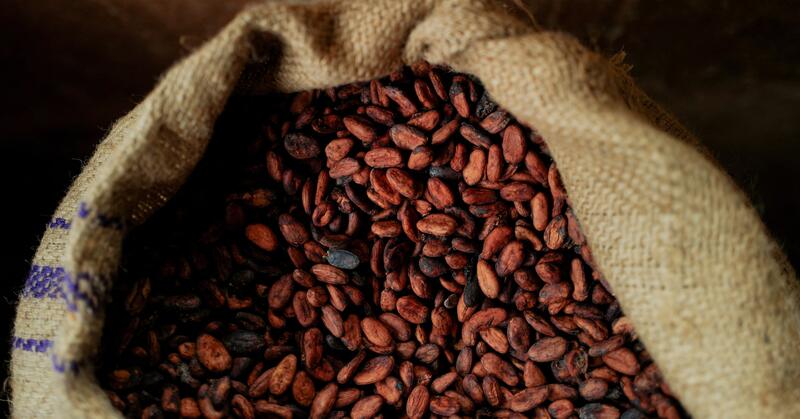
Madagascar’s cocoa industry is facing renewed economic uncertainty as declining international cocoa prices place increasing pressure on producers, exporters and small-scale processors dependent on the sector for income and trade revenues.
The downturn comes amid broader instability across global commodity markets, where fluctuating agricultural prices, shifting demand patterns and supply chain disruptions continue to affect export-dependent economies across Africa and other developing regions.
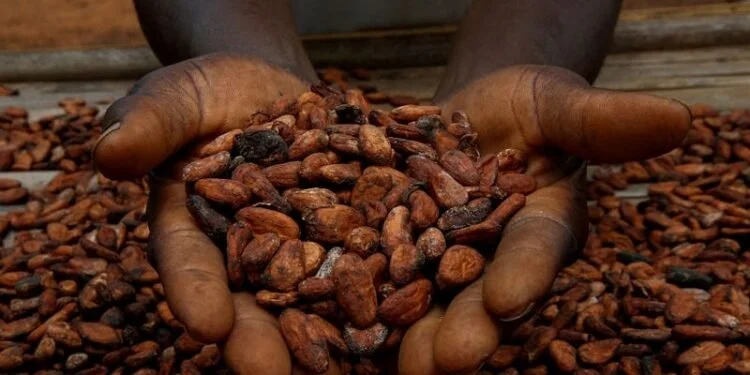
International cocoa markets have undergone sharp volatility over the past two years. Prices previously surged to record highs due to severe supply shortages linked to adverse weather conditions and disease outbreaks in major producing countries such as Côte d’Ivoire and Ghana, which together account for more than half of global cocoa production.
However, improved harvest expectations in West Africa and signs of weakening global demand have recently triggered a correction in international cocoa prices, creating new challenges for producing countries heavily reliant on commodity exports.
For Madagascar, the price decline is particularly significant because cocoa remains an important agricultural export and source of rural employment. The island nation has earned global recognition for its premium fine-flavour cocoa, which is highly valued by artisanal and high-end chocolate manufacturers in Europe and other international markets.
Despite this reputation, the sector remains highly vulnerable to external market shocks due to its dependence on raw bean exports and limited domestic processing capacity. Lower global prices reduce export earnings while simultaneously compressing profit margins across the value chain, affecting farmers, traders, cooperatives and local chocolate processors.
Economic analysts warn that prolonged instability in cocoa prices could weaken rural livelihoods in cocoa-producing regions where agriculture remains a major source of household income and employment opportunities.
Smallholder farmers are already facing rising production costs linked to agricultural inputs, transport, logistics and climate-related disruptions. With international prices falling, many producers risk earning lower returns despite maintaining or increasing production levels.
The impact extends beyond farming communities. Small enterprises and artisanal chocolate manufacturers operating within Madagascar’s growing cocoa transformation sector are also confronting tighter operating margins and reduced market certainty.
Financial institutions and economic observers in Madagascar have raised broader concerns about the vulnerability of the country’s export-driven economy. According to recent assessments by Banky Foiben’i Madagasikara, several of the country’s flagship export commodities including vanilla, cloves, nickel and cobalt have also experienced declining revenues due to weaker international prices and slower global demand.
The cocoa sector’s current difficulties therefore reflect a wider structural challenge facing many African commodity-exporting economies that remain heavily dependent on volatile international markets for foreign exchange earnings.
Commodity analysts note that while global price cycles are difficult to control, countries with stronger local processing industries and diversified export structures are generally better positioned to withstand market volatility.
For Madagascar, experts increasingly argue that expanding domestic value addition could help strengthen resilience within the cocoa sector. Investments in local chocolate manufacturing, processing facilities and branded premium products could allow the country to capture more value from its cocoa industry while reducing exposure to raw commodity price fluctuations.
Industry stakeholders also view Madagascar’s premium cocoa reputation as a strategic advantage that could support expansion into higher-value niche markets focused on organic, traceable and sustainably sourced products.
At the same time, climate resilience remains an increasingly important issue for the sector. Like many agricultural industries across Africa, cocoa production in Madagascar is vulnerable to changing rainfall patterns, rising temperatures and climate-related disruptions that threaten productivity and crop quality.
Sustainable farming practices, improved agricultural extension services and climate adaptation strategies are therefore becoming central to discussions about the long-term future of the cocoa industry.
Development experts have also emphasized the importance of strengthening farmer cooperatives, improving market access and expanding financial support systems for rural producers. Better infrastructure, improved logistics and access to financing could help smallholder farmers and local processors remain competitive despite international market volatility.
The current challenges facing Madagascar’s cocoa sector are part of a broader conversation across Africa about economic diversification and industrial transformation. Policymakers and development institutions increasingly argue that long-term economic resilience will depend on reducing reliance on raw commodity exports and building stronger value-added industries capable of generating more stable revenues and employment opportunities.
For Madagascar, the cocoa industry continues to hold significant long-term potential despite current market pressures. Demand for premium and ethically sourced cocoa products remains strong globally, particularly in specialty chocolate markets where quality and traceability command higher prices.

https://www.aecweek-registration.com/2026/?repid=
However, realizing that potential will require sustained investment in local processing, climate-smart agriculture, producer support systems and export diversification strategies capable of protecting the sector from future commodity price shocks.
As global markets remain volatile, the pressures affecting Madagascar’s cocoa industry underscore the broader challenges confronting African agricultural exporters seeking to balance economic growth, sustainability and resilience in an increasingly uncertain global economy.


