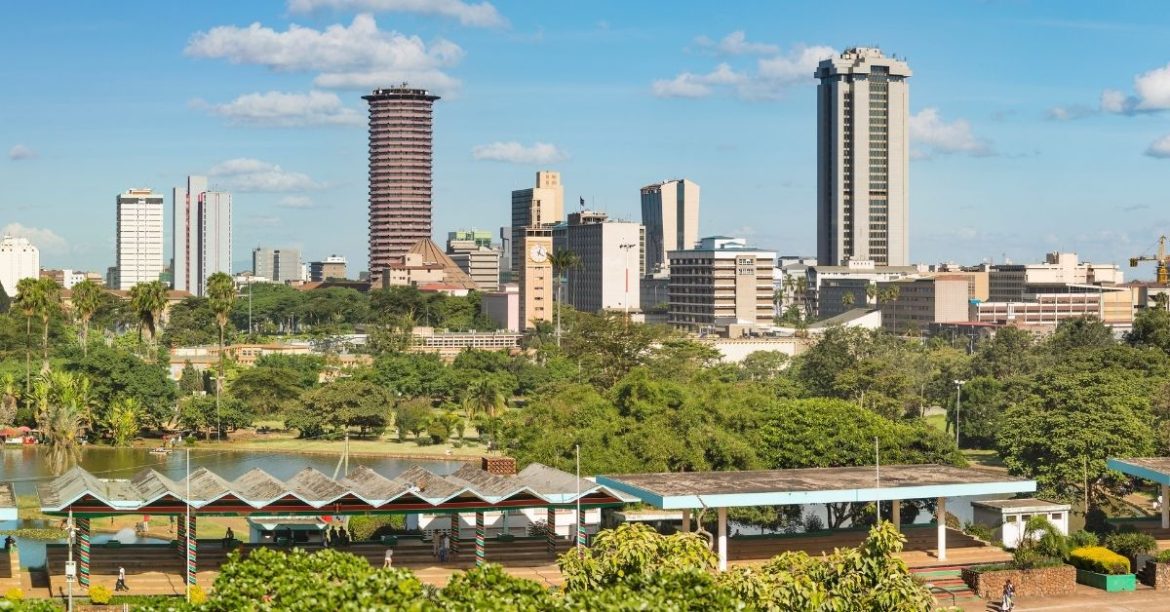
Nairobi has been selected to host the regional office of the Green Climate Fund for East and Southern Africa, as the multilateral financier approved nearly $1 billion in new climate funding and expanded its global footprint in a move aimed at accelerating project delivery and strengthening coordination with African governments.
The decision was taken at the Fund’s 44th board meeting held in Songdo, Republic of Korea, in late March 2026, where members also confirmed Abidjan, Côte d’Ivoire, as the second African regional hub serving Central, North and West Africa.
The establishment of regional offices marks a structural shift in how climate finance is administered to developing countries, with the Green Climate Fund seeking to move decision-making and technical support closer to project implementers.
The Fund’s total portfolio now exceeds $20 billion across more than 350 projects globally, reinforcing its role as the largest dedicated source of climate finance for low- and middle-income countries. Officials say the decentralisation strategy is intended to shorten approval timelines, improve oversight and ensure funding aligns more closely with national development priorities.
Africa featured prominently in the latest round of funding approvals, receiving approximately $441 million, or 46 per cent of the total allocation agreed at the meeting. Among the largest initiatives is a $250 million programme developed with the World Bank to expand resilient energy access across 21 countries in Eastern and Southern Africa.
The project is designed to support electricity connections in underserved communities and strengthen power systems against climate-related disruptions, an issue that continues to constrain industrial growth and service delivery across the region.
According to the African Development Bank, more than 600 million people in Africa still lack reliable access to electricity, limiting productivity in sectors such as manufacturing, agriculture and small-scale enterprises.
Climate-related shocks, including droughts and floods, have further exposed weaknesses in energy infrastructure, increasing maintenance costs and reducing system reliability. Investments in resilient power systems are therefore increasingly viewed as both a climate adaptation measure and an economic stabilisation strategy.
The decision to locate a regional office in Nairobi reflects the city’s expanding role as a financial and institutional hub for development financing in Africa. Kenya hosts a wide network of international organisations and financial institutions, including the United Nations Environment Programme and regional headquarters for several multilateral agencies.
By positioning technical staff and programme managers closer to project sites, the Fund expects to improve coordination with national ministries, regulators and private sector partners responsible for implementing climate investments.
For African governments, the presence of a regional office could influence the pace at which climate finance moves from approval to implementation. Historically, complex application procedures and limited technical capacity have slowed project preparation and disbursement, creating delays in infrastructure development and increasing project costs.
According to climate finance tracking initiatives, a significant share of approved funding globally has taken several years to reach implementation stages, partly due to administrative bottlenecks and insufficient local support.
The new regional structure also aligns with broader reforms within the Green Climate Fund aimed at strengthening country ownership of climate programmes. During the same board meeting, ten new institutions were accredited to deliver projects, including the Nigeria Sovereign Investment Authority, expanding the number of national and regional entities able to access financing directly. Direct access arrangements are intended to reduce reliance on international intermediaries and build domestic capacity to design and manage complex infrastructure and adaptation projects.
The implications for African economies extend beyond environmental policy. Climate finance increasingly supports core infrastructure such as power generation, irrigation systems, transport corridors and urban drainage networks, all of which influence economic growth and fiscal stability.
According to the United Nations Economic Commission for Africa, climate-related disasters have imposed rising costs on public budgets through emergency spending, reconstruction and lost revenue from disrupted economic activity. Strengthening resilience through targeted investments can therefore reduce long-term fiscal exposure while supporting employment and private sector expansion.
The decision to expand the Fund’s regional presence comes at a time when global demand for climate finance is growing faster than available resources. African countries collectively require hundreds of billions of dollars in investment over the coming decades to meet climate adaptation and mitigation targets, yet access to concessional funding remains uneven.
Establishing regional offices may improve engagement with governments and investors, but sustained financing will depend on continued contributions from donor countries and stronger domestic project pipelines.