


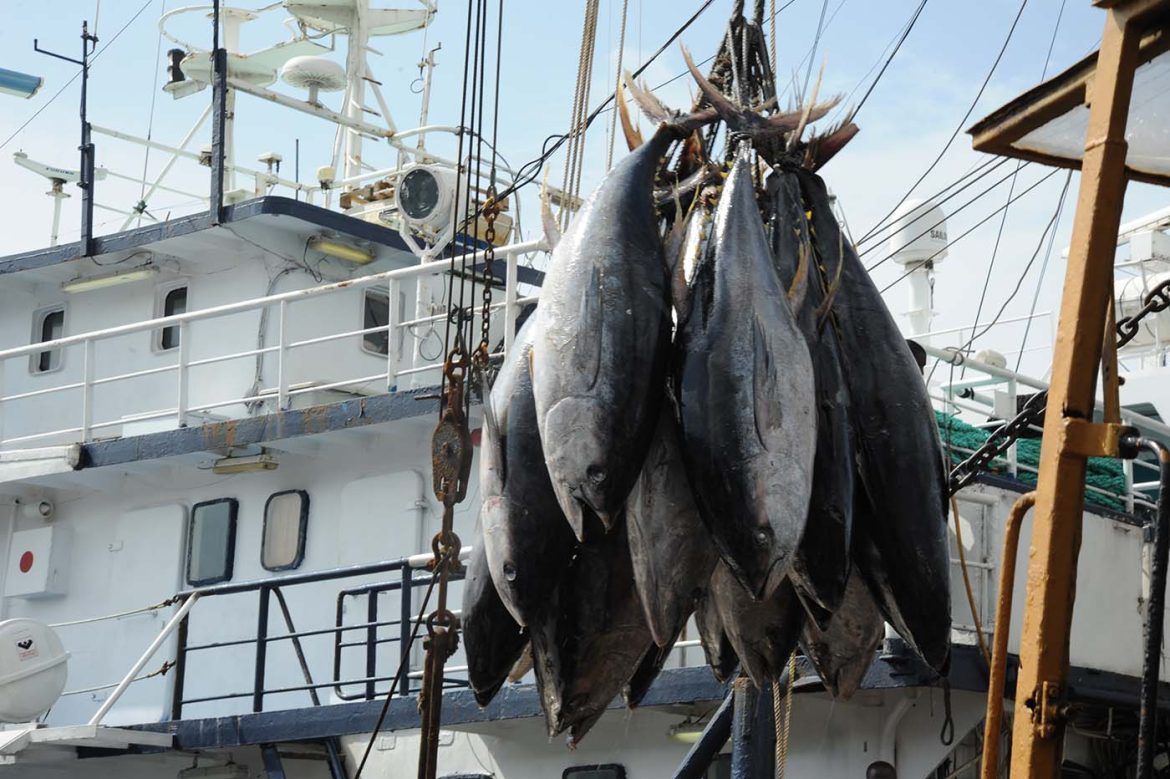
Côte d’Ivoire has launched a five-year, €28.95 million ($33 million) program to revive its fisheries and aquaculture sector, seeking to raise domestic fish production, reduce import dependence and strengthen food security in a country where demand for affordable protein continues to outpace supply.
The initiative, known as the Competitive Value Chain Development Project for Aquaculture and Sustainable Fisheries (ProDeCAP), was formally rolled out on March 26 with financing led by the African Development Bank and technical support from the Food and Agriculture Organization, as authorities attempt to address structural constraints that have weakened one of West Africa’s most important food systems.
The project is designed to improve governance and management of marine, lagoon and inland fisheries while expanding aquaculture production and strengthening value chains across the sector. Implementation will cover coastal and inland regions nationwide, including major fishing and distribution hubs such as Abidjan and key reservoir and watershed systems that support freshwater aquaculture.
Read also: Bottom Trawling threatens food security and coastal economies in Kenya and Ghana, new report warns
According to government estimates, the program is expected to benefit roughly 700,000 people directly and indirectly, reflecting the sector’s role as both a source of employment and a pillar of household nutrition.
The scale of the intervention reflects the growing economic pressure created by declining domestic output and rising import costs. According to data from the Food and Agriculture Organization, Côte d’Ivoire’s fisheries and aquaculture production fell to about 87,000 tonnes in 2023, down from a peak of more than 113,000 tonnes recorded in 2018. Over the same period, aquaculture production remained relatively modest, reaching just under 9,000 tonnes in 2023.
The government has set a target of increasing aquaculture output to approximately 35,000 tonnes by 2031, a shift intended to reduce pressure on wild fish stocks while stabilising supply to domestic markets.
The decline in production has coincided with a sharp increase in fish imports, underscoring the fiscal and trade implications of food supply gaps in coastal economies. Customs data show that Côte d’Ivoire’s fish import volumes rose from roughly 388,000 tonnes in 2015 to more than 730,000 tonnes in 2024, driven largely by rising urban demand and population growth. Over the same period, the value of imports more than doubled, exceeding CFA518 billion, placing additional strain on foreign exchange reserves and public finances.
For policymakers, the trend illustrates how food systems have become closely tied to macroeconomic stability, particularly in countries where protein consumption depends heavily on imported commodities.
According to the African Development Bank, several structural factors continue to limit the performance of the fisheries sector across West Africa, including weak cold-chain infrastructure, high post-harvest losses, limited access to finance and the growing impact of climate variability on fish breeding cycles and coastal ecosystems.
Illegal, unreported and unregulated fishing remains a persistent challenge, reducing revenue collection and undermining resource sustainability. These constraints have combined to create a production gap that is increasingly difficult to close without coordinated investment in both physical infrastructure and regulatory systems.
The ProDeCAP initiative therefore places particular emphasis on strengthening value chains, including processing, storage and distribution systems that determine whether fish harvested in coastal and inland waters reaches consumers efficiently. Improving post-harvest handling is expected to reduce losses that can exceed 20 percent in some markets, according to regional development agencies, while also increasing incomes for small-scale fishers and traders.
Read also: Guinea-Bissau bans fish meal production to protect regional marine stocks
Access to credit for small and medium-sized enterprises operating in fisheries and aquaculture is another focus area, reflecting the broader financing challenges faced by informal and semi-formal sectors in many African economies.
Climate pressures are also shaping investment priorities in the sector. Rising sea temperatures, shifting rainfall patterns and coastal erosion have affected fish migration routes and spawning cycles across the Gulf of Guinea, increasing uncertainty for fishing communities that depend on predictable seasonal catches.
Governments are therefore placing greater emphasis on aquaculture as a more controllable and climate-resilient source of protein supply. Expanding fish farming capacity is viewed not only as a food security measure but also as an economic diversification strategy that can reduce exposure to environmental shocks.
For Côte d’Ivoire, the timing of the initiative reflects broader regional concerns about food system resilience and import dependence. Across West and Central Africa, fish remains one of the most affordable sources of animal protein, accounting for a significant share of dietary intake among low- and middle-income households.
Sustained increases in import costs or supply disruptions could therefore translate quickly into higher food prices and increased pressure on household budgets, particularly in urban centers where consumption levels are highest.
The project also aligns with a wider shift in development financing toward strengthening domestic production systems rather than relying solely on trade to meet food demand. Multilateral lenders and governments have increasingly prioritised investments that support local value chains, improve productivity and reduce structural deficits in agricultural and fisheries sectors.
In practical terms, this approach reflects the recognition that food security, employment and fiscal stability are closely interconnected, particularly in economies where agriculture and natural resources remain central to growth.


