


South Africa became the world’s largest citrus exporter by volume in 2025, overtaking Spain for the first time as strong harvests, expanding orchard capacity and rising international demand boosted the country’s agricultural export performance.
Trade data compiled by the International Trade Centre’s Trade Map platform and industry figures released by the Citrus Growers’ Association of Southern Africa show South Africa exported 3.23 million tons of fresh and dried citrus in 2025, representing an increase of nearly 28% compared with the previous year.
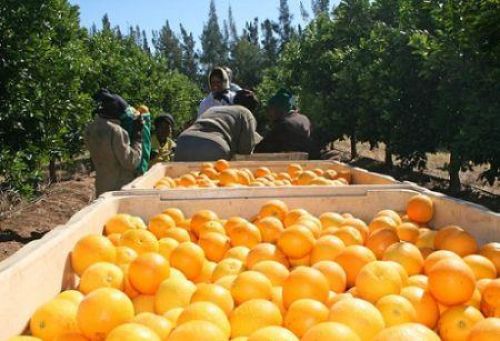
The milestone marks a significant shift in global agricultural trade patterns and reinforces South Africa’s growing role in international food supply chains at a time when climate variability and geopolitical disruptions are reshaping agricultural production across major exporting regions.
The increase pushed Spain, historically the world’s leading citrus exporter, into second position after exporting 2.98 million tons of citrus during the same period.
According to industry analysts, South Africa’s performance reflects more than short-term seasonal gains. Over the past two decades, the country’s citrus exports have more than doubled, rising from approximately 1.43 million tons in 2006 to record levels in 2025.
The sector has increasingly become one of South Africa’s most strategically important agricultural export industries, generating foreign exchange earnings, supporting rural employment and strengthening trade relationships across Europe, the Middle East and Asia.
By contrast, Spain’s citrus industry faced mounting structural and climate-related challenges during the 2025–2026 production cycle.
According to a report on the European citrus market released by the United States Department of Agriculture, Spain’s harvest was affected by prolonged drought conditions, aging orchards and adverse weather events including spring rainfall disruptions, extreme heat during fruit development and severe hailstorms.
The USDA estimated that Spain’s orange production declined by approximately 6%, reaching its lowest level in 16 years.
Industry reports also cited structural pressures including aging plantations and abandoned farms in the Valencia region, one of Spain’s historically significant citrus-producing areas.
South Africa, meanwhile, benefited from favourable weather conditions in key growing regions as well as increased production from younger orchards planted over recent years that are now reaching commercial maturity.
The Citrus Growers’ Association additionally said exporters benefited from stronger international demand, particularly for oranges and lemons used in juice processing and food manufacturing.
The earlier conclusion of the Northern Hemisphere citrus season also extended South Africa’s export window, allowing exporters to capture stronger market demand across multiple regions.
The sector’s expansion highlights the growing importance of agricultural competitiveness within African economies as governments seek to diversify export revenues, strengthen food value chains and improve resilience against commodity price volatility.
Agricultural exports remain central to employment and rural economic activity across South Africa, with the citrus industry supporting thousands of jobs in farming, logistics, packaging and port operations.
However, industry leaders have warned that maintaining export momentum in 2026 may become increasingly difficult because of escalating geopolitical tensions and shipping disruptions affecting global trade routes.
The Citrus Growers’ Association said instability linked to the conflict involving the United States, Israel and Iran is already creating uncertainty in Middle Eastern markets while increasing freight costs and shipping delays for exporters.
“The Middle East has long been an important market for our citrus. Disruptions in both demand and in shipping — as well as the international knock-on effect of shipping delays — are risks that everybody should be cognizant of,” the association said in a briefing note published in March.
Middle Eastern countries imported approximately 619,270 tons of citrus from South Africa in 2025, accounting for just over 19% of the country’s total citrus exports, according to Trade Map data.
The region has become increasingly important for South African agricultural exporters because of growing population demand and relatively strong import dependence for fresh produce.
Industry groups warned, however, that rising logistics costs combined with retail price caps imposed by some Gulf countries could limit exporters’ ability to absorb escalating transport expenses.
The concerns reflect wider pressures facing global agricultural trade as geopolitical instability, shipping bottlenecks and climate-related disruptions increasingly affect food supply chains and export competitiveness.
For African agricultural economies, the developments underscore both the opportunities and vulnerabilities associated with deeper integration into global commodity markets.
Analysts say South Africa’s emergence as the world’s leading citrus exporter demonstrates the continent’s growing agricultural production capacity but also highlights the importance of infrastructure investment, market diversification and climate adaptation strategies to sustain long-term competitiveness.

https://www.aecweek-registration.com/2026/?repid=
The sector now faces questions over whether export growth can be maintained as global trade conditions become more volatile and climate pressures intensify across key agricultural regions.


