


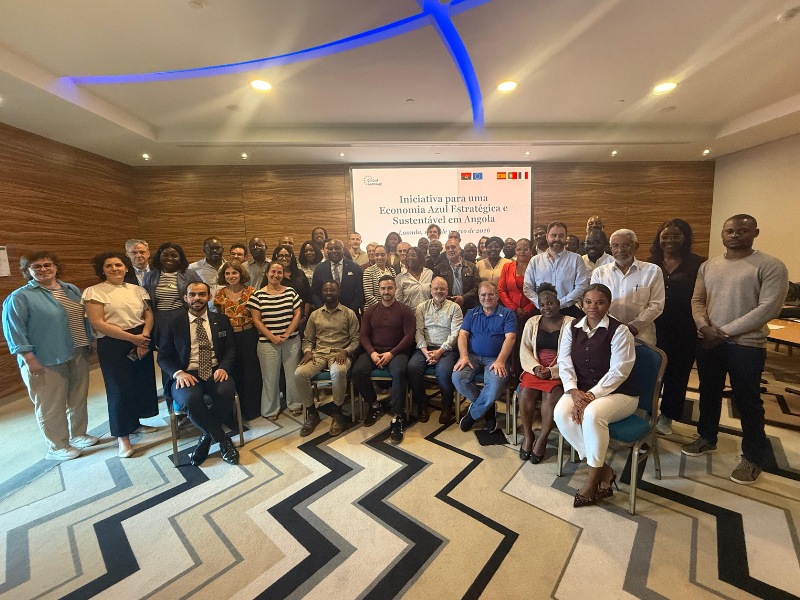
Angola has launched a new Sustainable and Strategic Blue Economy Initiative backed by approximately €30 million in funding from the European Union, marking a strategic push to diversify the country’s economy while strengthening marine resource governance and coastal ecosystem protection.
The programme, implemented under the Team Europe Initiative, brings together a consortium led by Spain’s development cooperation agency FIAP, alongside Portugal’s Camões – Institute for Cooperation and Language and France’s Expertise France, reflecting a coordinated European effort to support sustainable ocean-based economic development in Angola.
The initiative places particular emphasis on strengthening Angola’s blue economy, with targeted interventions focused on the sustainable management of marine resources, the development of aquatic food value chains, and the protection of coastal ecosystems increasingly affected by environmental pressures and economic overexploitation.
Portugal is leading the component dedicated to sustainable marine resource management, supported by technical institutions including the Directorate-General for Maritime Policy (Portugal), the Directorate-General for Natural Resources, Safety and Maritime Services and the Portuguese Institute for the Sea and Atmosphere.
A technical workshop held between 16 and 20 March 2026 in Angola marked the formal launch of the initiative, bringing together Angolan government officials, European partners and maritime sector experts to define implementation priorities and operational frameworks.
The workshop included participation from researchers such as João Pereira and Miguel Santos of the Portuguese Institute for the Sea and Atmosphere, alongside representatives from Angola’s Ministry of Fisheries and Marine Resources, the European Union delegation and international organisations including the Food and Agriculture Organization.
The programme is designed to support Angola’s broader economic diversification agenda by shifting greater value creation toward ocean-based sectors, including fisheries, aquaculture and marine services, while reducing dependence on extractive industries such as oil.
Marine resources are increasingly viewed by African policymakers as strategic assets capable of supporting employment creation, food security and export diversification, particularly in coastal economies where fisheries remain central to local livelihoods.
However, the sector faces persistent challenges including overfishing risks, limited processing capacity, weak cold-chain infrastructure and exposure to climate-related changes affecting marine ecosystems and fish stocks.
The initiative seeks to address these constraints through improved governance frameworks, capacity building, scientific research and investment in sustainable value chains that can enhance both productivity and environmental protection.
During the launch workshop, partners presented the project’s intervention logic and implementation structure, while thematic working groups identified institutional coordination gaps, operational risks and opportunities for strengthening national capacity in marine resource management.
According to project organisers, the process is designed to ensure participatory implementation, with active engagement from Angolan institutions to promote ownership and long-term sustainability of outcomes.
Read also:Côte d’Ivoire launches $33 million plan to revive Fisheries and cut Fish imports
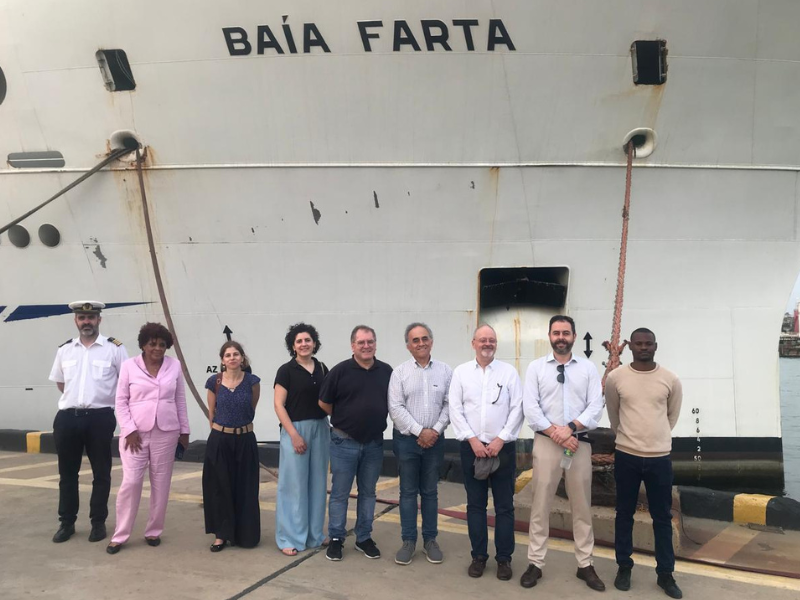
The agenda also included field engagement, including a visit to Angola’s research vessel “Baía Farta” alongside Dr Filomena Vaz Velho, Director-General of the National Institute for Fisheries and Marine Research, highlighting the role of scientific infrastructure in supporting evidence-based marine policy.
The initiative reflects a broader shift in development financing toward blue economy frameworks, which integrate economic growth objectives with environmental sustainability and climate resilience priorities.
For Angola, the programme aligns with national efforts to diversify its economy beyond hydrocarbons while leveraging its extensive Atlantic coastline to expand fisheries production, maritime trade and ocean-based innovation.
Analysts note that successful implementation will depend on strengthening institutional coordination, improving regulatory enforcement and attracting sustained investment into coastal infrastructure and marine science capacity.
https://www.aecweek-registration.com/2026/?repid=
The €30 million programme also reflects continued European engagement in African ocean governance and sustainable development cooperation, particularly in sectors where environmental sustainability and economic opportunity intersect.
As global attention increasingly turns toward the blue economy as a frontier for growth, Angola’s initiative positions the country within a broader continental trend of integrating marine resources into long-term development and climate resilience strategies.


