


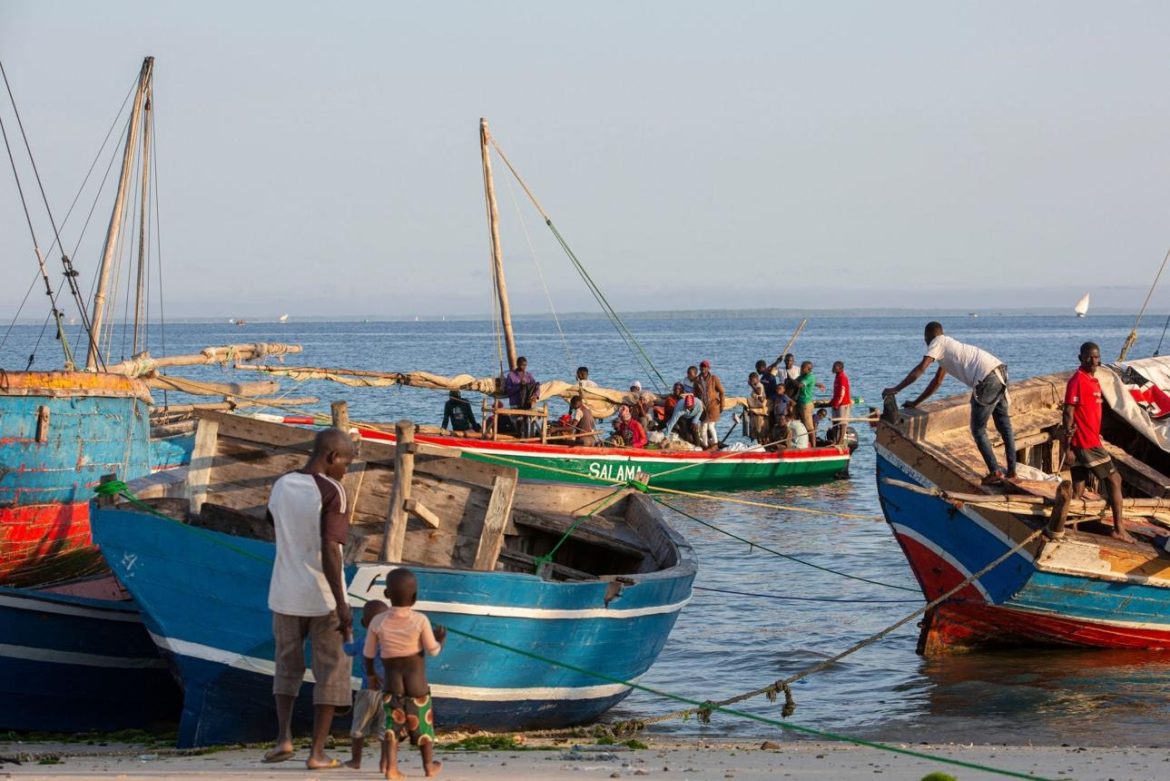
Libya is advancing plans to establish a domestic fishing vessel and trawler manufacturing industry through a proposed partnership between the Libyan Export Development Authority (LEDA) and the Libyan Iron and Steel Company (LISCO), as the country seeks to strengthen its fisheries sector, expand industrial capacity and reduce reliance on hydrocarbon revenues. Discussions held in Misrata on 22 April 2026 focused on the feasibility of developing a national shipbuilding facility within LISCO’s industrial complex, leveraging existing steel production capabilities, port infrastructure and logistics networks to support vessel construction and maritime industry growth.
The initiative represents a strategic effort to connect Libya’s industrial base with the development of its marine economy at a time when many African countries are seeking to diversify economic activity and generate greater value from natural resources. Officials from LEDA and LISCO examined the technical and operational requirements for establishing a facility capable of manufacturing fishing boats and trawlers domestically, with the aim of supporting fleet modernisation, improving fishing productivity and strengthening export competitiveness.
 According to officials involved in the discussions, the project is expected to play a role in enhancing the performance of Libya’s fisheries sector, which remains an important source of livelihoods for coastal communities. A modernised fleet could improve operational efficiency, increase catch quality and support efforts to regulate fish exports more effectively. The project is also expected to generate employment opportunities across manufacturing, engineering, logistics and maritime services, creating economic activity beyond the fisheries industry itself.
The proposed facility would be located at the Misrata Iron and Steel Plant, one of Libya’s most significant industrial assets. Delegates conducted site visits to LISCO’s port and production facilities to assess infrastructure readiness and evaluate how existing industrial capacity could support vessel fabrication and assembly. By building on established industrial foundations rather than creating entirely new infrastructure, authorities aim to reduce development costs and accelerate implementation.
The initiative reflects a broader policy shift underway in Libya as authorities seek to reduce the economy’s dependence on oil and gas revenues. Hydrocarbons continue to account for the majority of government income and export earnings, leaving public finances vulnerable to fluctuations in global energy markets. Expanding productive sectors such as fisheries, manufacturing and maritime services is increasingly viewed as essential to creating a more diversified and resilient economic structure.
Across Africa, governments are placing growing emphasis on the development of blue economy industries as a source of employment, trade and economic growth. According to the African Union, sustainable use of marine and coastal resources has the potential to contribute significantly to food security, industrialisation and regional trade if supported by effective governance and investment. Fisheries alone provide livelihoods for millions of people across the continent and remain a critical source of nutrition in many coastal and inland communities.
For Libya, the proposed vessel manufacturing project could contribute to greater domestic value addition within the fisheries sector. Rather than relying heavily on imported vessels and equipment, local production would create industrial linkages that retain more economic value within the country. Such an approach aligns with wider African development objectives focused on strengthening local manufacturing ecosystems and reducing dependence on imported industrial goods.
The initiative also carries implications for food security. Fisheries remain an important source of affordable protein, and improvements in fleet capacity and efficiency can support more reliable seafood supply chains. However, increased production capacity will need to be accompanied by effective resource management to ensure that marine ecosystems are not subjected to unsustainable fishing pressure.
This balance between economic growth and environmental stewardship will be central to the project’s long-term viability. Sustainable fisheries management, monitoring systems and regulatory oversight will be necessary to prevent overexploitation of fish stocks and preserve marine biodiversity. As many coastal economies have demonstrated, investments in fishing infrastructure generate the greatest long-term returns when accompanied by policies that protect marine resources and support ecosystem resilience.
The proposal is also consistent with broader efforts to build a structured blue economy in Libya through fisheries regulation, aquaculture development and seafood processing expansion. Integrating vessel manufacturing into this strategy could strengthen supply chains while creating new opportunities for industrial development and export growth.
From an infrastructure perspective, the project highlights the role that existing industrial assets can play in supporting economic diversification. By linking steel production, port infrastructure and maritime industries, Libya is exploring a model that seeks to maximise the utilisation of existing investments while creating new economic opportunities. Such industrial integration has become increasingly important across Africa as governments seek to improve productivity and generate higher returns from public infrastructure spending.
 The initiative further aligns with the aspirations of the African Union’s Agenda 2063, which emphasises industrialisation, regional value addition and sustainable economic transformation. Developing domestic manufacturing capabilities linked to strategic sectors such as fisheries reflects a growing recognition that long-term economic resilience depends not only on resource extraction but also on the ability to process, manufacture and innovate within national economies.
As Libya evaluates the feasibility of the proposed facility, the project illustrates how industrial policy, food systems and maritime development are becoming increasingly interconnected. The outcome will depend on technical viability, financing arrangements and regulatory frameworks, but the discussions signal an emerging effort to position the fisheries sector as part of a broader strategy for economic diversification, employment creation and sustainable development in North Africa.


