


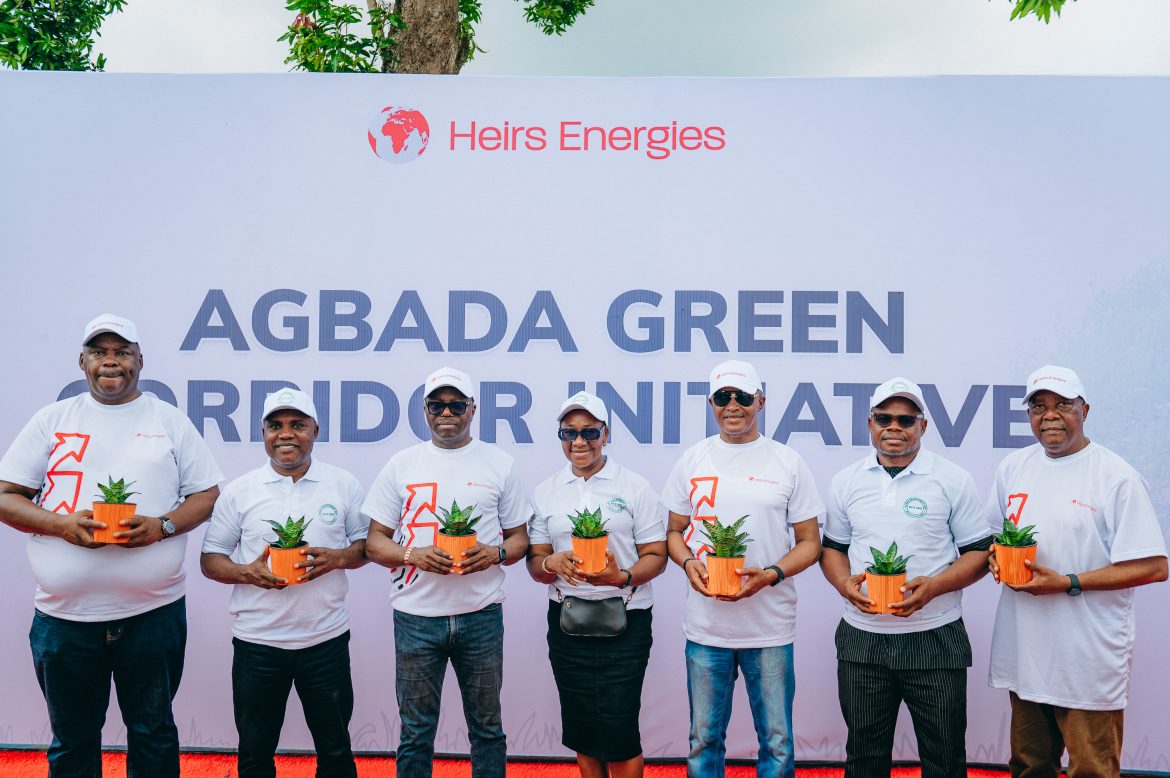
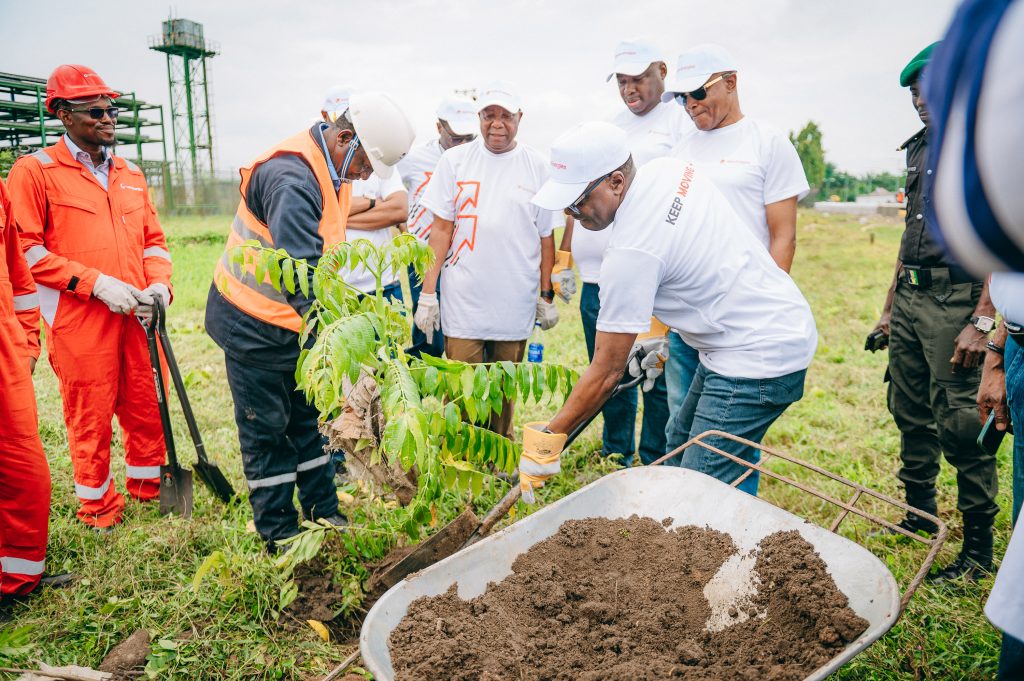
Heirs Energies has launched the Agbada Green Corridor Initiative, a tree-planting programme designed to enhance environmental sustainability, support biodiversity conservation and improve climate resilience in communities located along the Agbada Non-Associated Gas Corridor in Rivers State.
The initiative was officially launched in Omuohia Community and brought together representatives from the Rivers State Ministry of Environment, the OML 17 Host Communities Development Trust (HCDT), community leaders, environmental organisations and employees of Heirs Energies. The programme forms part of the company’s broader sustainability strategy and reflects a growing trend among African energy producers seeking to integrate environmental stewardship into their operational and development agendas.
The launch comes at a time when environmental sustainability is becoming an increasingly important consideration for Africa’s energy sector. As governments pursue energy security and economic growth objectives, pressure is mounting on producers to demonstrate how resource development can coexist with environmental protection, biodiversity conservation and community wellbeing.
For Nigeria, Africa’s largest oil producer, this challenge is particularly significant. Decades of hydrocarbon production have generated substantial economic benefits but have also intensified concerns over environmental degradation, ecosystem loss and climate vulnerability in parts of the Niger Delta. Initiatives aimed at ecological restoration and sustainable land management are therefore attracting greater attention from policymakers, communities and investors alike.
Speaking during the launch, Bola Bode, Senior Vice President for Production at Heirs Energies, said the programme reflects the company’s commitment to creating long-term value for both host communities and the environment.
According to Bode, who represented Chief Executive Officer Osa Igiehon, the company recognises that operational success is closely linked to environmental health and community wellbeing. He noted that the Agbada Green Corridor Initiative represents one component of a broader strategy focused on responsible operations and sustainable development.
The programme is being implemented in partnership with the Rivers State Ministry of Environment and the Self Help and Rural Development Association (SHERDA), with support from the OML 17 Host Communities Development Trust and local stakeholders. The collaborative approach reflects a growing recognition that environmental restoration efforts are often more effective when governments, businesses and communities work together to achieve shared objectives.
Tree-planting initiatives have become an increasingly common tool in environmental management strategies across Africa. Beyond their role in carbon sequestration, trees contribute to soil conservation, watershed protection, biodiversity enhancement and improved ecosystem resilience. In regions vulnerable to climate-related risks such as flooding, erosion and extreme weather events, vegetation restoration can also strengthen natural defences while supporting sustainable livelihoods.
The significance of such interventions is particularly relevant in the Niger Delta, where environmental degradation and climate-related challenges continue to affect communities and economic activities. Restoring vegetation cover and strengthening ecosystem health may contribute to broader efforts aimed at improving environmental resilience and supporting long-term sustainable development.
Representatives of the Rivers State Ministry of Environment welcomed the initiative and highlighted the importance of partnerships between government institutions, local communities and private-sector operators in advancing environmental protection objectives. Such partnerships are increasingly viewed as essential for addressing complex environmental challenges that extend beyond the capacity of any single stakeholder group.
The programme also aligns with wider discussions about sustainability within Africa’s energy sector. As global investors place greater emphasis on environmental, social and governance (ESG) performance, indigenous energy companies are under increasing pressure to demonstrate responsible resource management while maintaining production growth and supporting national energy objectives.

For Heirs Energies, the launch of the Agbada Green Corridor Initiative forms part of a broader sustainability agenda focused on environmental stewardship, community engagement and long-term value creation. The company has increasingly positioned itself as an example of how indigenous African energy firms can contribute to both energy security and sustainable development goals.
Since assuming operatorship of OML 17 in 2021, Heirs Energies has significantly expanded production, more than doubling oil output to over 50,000 barrels per day while tripling gas production to more than 135 million standard cubic feet per day. The company currently contributes approximately 5% of Nigeria’s total oil production and a similar share of domestic gas supply.
This growth reflects the strategic importance of indigenous energy companies within Africa’s evolving energy landscape. Governments across the continent are increasingly seeking to strengthen local participation in resource development while ensuring that economic benefits are accompanied by investments in environmental sustainability and community development.
The launch of the Agbada Green Corridor Initiative highlights how these objectives are becoming increasingly interconnected. Environmental stewardship is no longer viewed solely as a corporate social responsibility activity but as a component of broader risk management, stakeholder engagement and long-term business sustainability.
https://www.aecweek-registration.com/2026/?repid=
For Africa’s energy sector, the challenge remains balancing growing energy demand with environmental protection and climate resilience. As countries pursue industrialisation and economic development, initiatives that integrate ecosystem restoration with resource development may become increasingly important in demonstrating how energy production and sustainability objectives can advance together.
The success of such programmes will ultimately depend on their ability to deliver measurable environmental outcomes while strengthening trust between operators, communities and government institutions. In the Niger Delta and beyond, that balance is likely to remain central to discussions about the future of responsible energy development across Africa.


