


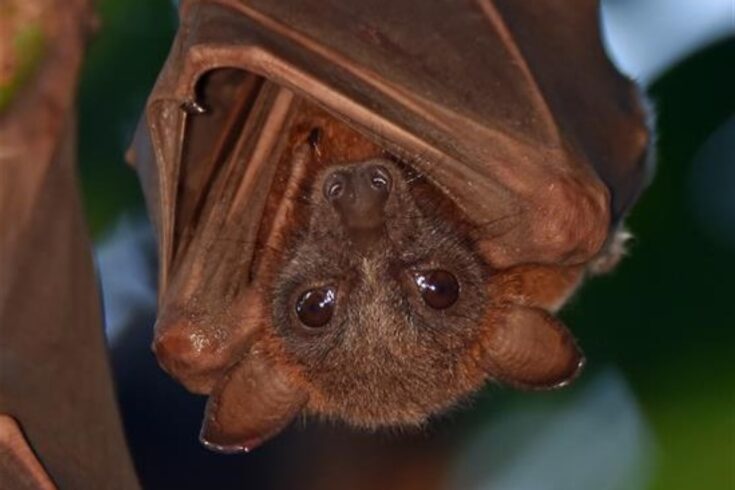
Scientists have identified a previously unknown bat-borne coronavirus circulating in parts of East Africa that has demonstrated the ability to bind to human lung cell receptors under laboratory conditions, prompting renewed calls for stronger disease surveillance systems and regional pandemic preparedness. The findings, published in the scientific journal Nature and reported by local media, emerged from a collaborative study involving researchers from the United Kingdom and the Kenya Medical Research Institute (KEMRI), which examined virus samples collected from heart-nosed bats in Kenya, northern Tanzania and eastern Sudan.
The virus, designated CcCoV-KY43, was found to possess biological characteristics that could enable it to interact with receptors present in human cells, a necessary step for potential cross-species transmission. Researchers stressed that no human infections have been detected and that the study was conducted using viral spike proteins rather than live virus, meaning the findings do not indicate an active public health threat. However, scientists argue that the discovery reinforces the importance of monitoring emerging pathogens before they reach human populations.
 According to the research team, the study expands scientific understanding of how coronaviruses may evolve and adapt to new hosts. Previous assumptions about the pathways through which coronaviruses gain entry into human cells may have underestimated the diversity of mechanisms available to these viruses. Dr. Dalan Bailey of The Pirbright Institute noted that the findings suggest coronavirus receptor interactions may be more complex than previously understood, while Professor Stephen Graham of University of Cambridge emphasised that the results should be viewed as an early warning rather than evidence of imminent human transmission.
The discovery arrives at a time when governments and health agencies worldwide continue to assess lessons from the COVID-19 pandemic, which exposed vulnerabilities in global disease surveillance, emergency response systems and healthcare infrastructure. For Africa, where public health systems often operate under significant resource constraints, early detection of emerging biological threats carries substantial economic and development implications.
East Africa’s ecosystems host significant biodiversity and extensive wildlife populations that support tourism, agriculture and local livelihoods. At the same time, growing human populations, agricultural expansion and environmental pressures are increasing interactions between people and wildlife. Scientists increasingly view these changing land-use dynamics as important drivers of zoonotic disease risk, creating conditions that can facilitate the movement of pathogens from animal hosts into human communities.
Read also: https://www.york.ac.uk/news-and-events/news/2026/research/bat-coronavirus-cells/
The economic consequences of emerging infectious diseases extend well beyond public health. The COVID-19 pandemic disrupted trade, tourism, education and labour markets across Africa, placing considerable pressure on public finances and slowing economic growth. According to regional development institutions, future outbreaks could generate similar fiscal and social costs if surveillance and response systems are unable to identify threats early. Investments in laboratory capacity, genomic sequencing, disease monitoring and cross-border information sharing are therefore increasingly being viewed as economic resilience measures rather than solely health-sector expenditures.
The study also highlights the growing importance of scientific collaboration across borders. Partnerships between African research institutions and international laboratories have strengthened the continent’s capacity to identify and analyse emerging pathogens, improving the availability of evidence needed for policy decisions. Institutions such as KEMRI have become increasingly important contributors to global health research, demonstrating Africa’s expanding role in disease surveillance and biomedical science.
 Beyond health security, the findings reinforce the close relationship between environmental management and public health outcomes. Conservation experts have long argued that habitat degradation, deforestation and ecosystem disruption can increase opportunities for zoonotic spillover by bringing wildlife and human populations into closer contact. As a result, biodiversity conservation and sustainable land-use planning are increasingly being incorporated into broader resilience and risk-management strategies.
The identification of CcCoV-KY43 does not signal the emergence of a new outbreak. Rather, it illustrates the value of proactive surveillance in identifying potential threats before they become crises. For African countries seeking to strengthen resilience against future shocks, the research underscores the importance of sustained investment in scientific capacity, environmental stewardship and public health systems capable of responding rapidly to emerging risks. Such efforts align closely with the African Union’s Agenda 2063 objectives of building resilient institutions, safeguarding public welfare and supporting sustainable development in an increasingly interconnected world.


