


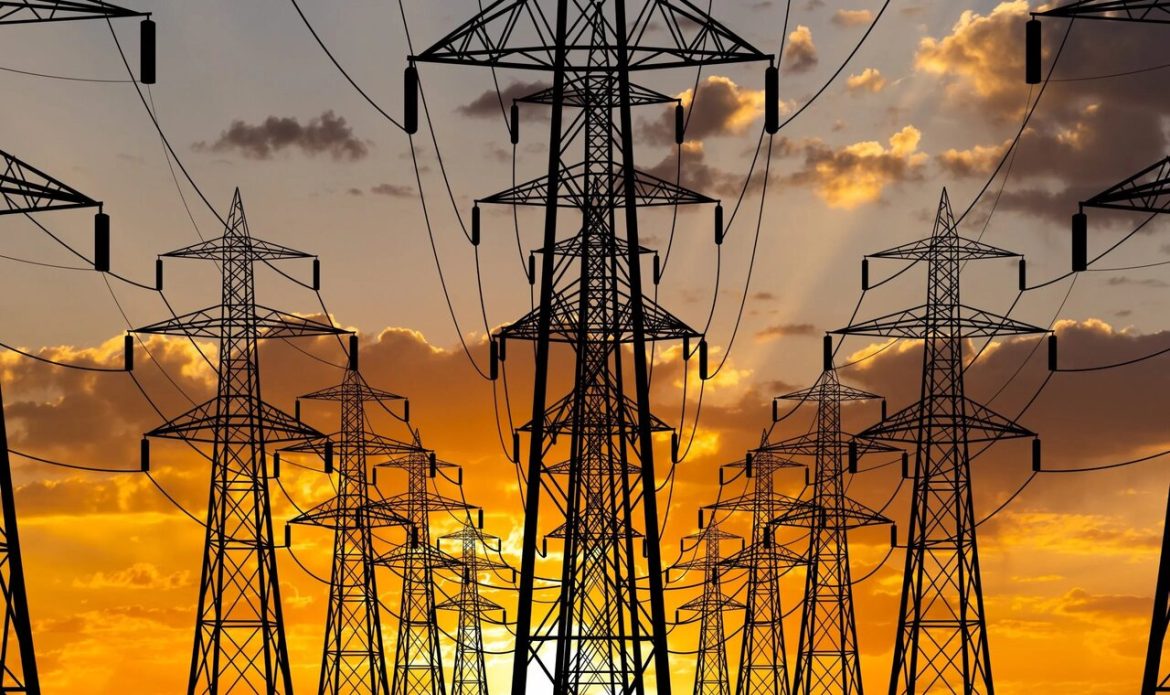
Mozambique has introduced a 0.5% levy on electricity exports to help finance its national universal electricity access programme, a policy designed to redirect part of the value generated from the country’s power exports toward expanding domestic connections and closing one of Africa’s largest energy access gaps. The measure, approved by Mozambique’s Council of Ministers on June 12, establishes a financing framework for expanding electricity access and will apply to concession holders involved directly or indirectly in electricity export activities. The policy primarily affects Hidroeléctrica de Cahora Bassa (HCB), the country’s largest hydropower producer and one of the most important electricity suppliers in Southern Africa.
According to government spokesperson Inocêncio Impissa, the regulation defines the collection procedures and amount of the universal electricity access fee, with the objective of financing connections for new consumers. The government’s move reflects a broader effort to balance Mozambique’s role as a regional electricity exporter with the domestic need to expand access to reliable power for millions of citizens. HCB remains central to Mozambique’s electricity system and regional energy trade. The hydropower facility, located on the Zambezi River in central Mozambique, generated 12,351 gigawatt-hours (GWh) of electricity in 2024. Of this output, 8,319 GWh was supplied to South Africa’s state-owned utility Eskom, while 499 GWh was exported to Zimbabwe. Mozambique itself received 3,451 GWh from the plant, representing less than 30% of total production, according to HCB’s annual report published in 2025.
The new levy highlights a long-running challenge facing many energy-rich African countries: translating natural resource advantages and export revenues into broader domestic economic benefits. While Mozambique has developed a significant regional role in electricity generation, millions of households remain without access to electricity, particularly in rural and underserved areas where grid expansion remains costly and technically complex. Mozambique’s government has set a target of achieving universal electricity access by 2030. According to Energy Minister Estêvão Pale, the national electrification rate increased from 30% in 2018 to 66% in 2026, reflecting progress driven by grid expansion, public investment and development partner support. However, the country still requires approximately 4.9 million additional connections to meet its 2030 objective, according to the national energy compact published by the World Bank.
The financing challenge is significant. Expanding electricity access requires investment not only in generation capacity but also in transmission infrastructure, distribution networks, transformers and last-mile connections. For many African countries, the cost of extending electricity networks to remote communities remains one of the biggest barriers to achieving universal access. The export levy represents an attempt to create a dedicated domestic financing mechanism linked to Mozambique’s electricity trade revenues. Rather than relying entirely on public budgets or external financing, the government is seeking to capture a portion of export-related economic value to support national infrastructure development.
The policy also comes at a time when Mozambique’s relationship with regional power markets is evolving. Since beginning operations in 1979, Cahora Bassa has supplied a substantial share of its electricity output to South Africa, supporting industrial activity and energy security in the region. However, this export model has existed alongside domestic energy access challenges. That balance could change as Mozambique prepares for the expiry of HCB’s long-term electricity export agreement with Eskom in 2030. President Daniel Chapo has indicated that the government intends to increase the allocation of Cahora Bassa’s electricity to the domestic market once the agreement ends, according to reports from Club of Mozambique.
The potential shift could have important implications for Mozambique’s industrial development and economic transformation. Reliable electricity supply is a foundation for manufacturing, mining, digital infrastructure and small business growth. Improving domestic access could support productivity gains and strengthen economic opportunities beyond the country’s traditional reliance on natural resources. However, increasing domestic electricity availability will depend on more than reallocating generation capacity. Mozambique will also need continued investment in grid infrastructure, system reliability and financial sustainability within the electricity sector. The country’s ability to attract additional investment into renewable energy and transmission infrastructure will remain critical as demand increases.
Climate and hydrological risks also remain important considerations for Mozambique’s energy system. Cahora Bassa’s generation performance has historically been affected by variations in rainfall and water availability. In 2025, severe water shortages contributed to a 30% decline in production, highlighting the vulnerability of hydropower-dependent systems to changing climate conditions. Generation recovered in early 2026, with HCB producing 3,292 GWh in the first quarter, a 9% increase compared with the same period a year earlier. The recovery demonstrates the importance of maintaining resilient energy systems capable of managing fluctuations in resource availability.
https://www.aecweek-registration.com/2026/
For Mozambique, the electricity export levy represents a policy effort to align regional energy trade with domestic development priorities. As African countries seek to expand energy access while leveraging their natural resources, the challenge increasingly lies in ensuring that power generation contributes not only to exports but also to inclusive economic growth and improved living standards.
The success of the programme will depend on effective implementation, transparent management of revenues and continued investment in the infrastructure needed to connect millions of new consumers. For Mozambique’s energy transition, expanding access will be as important as expanding generation capacity.


