


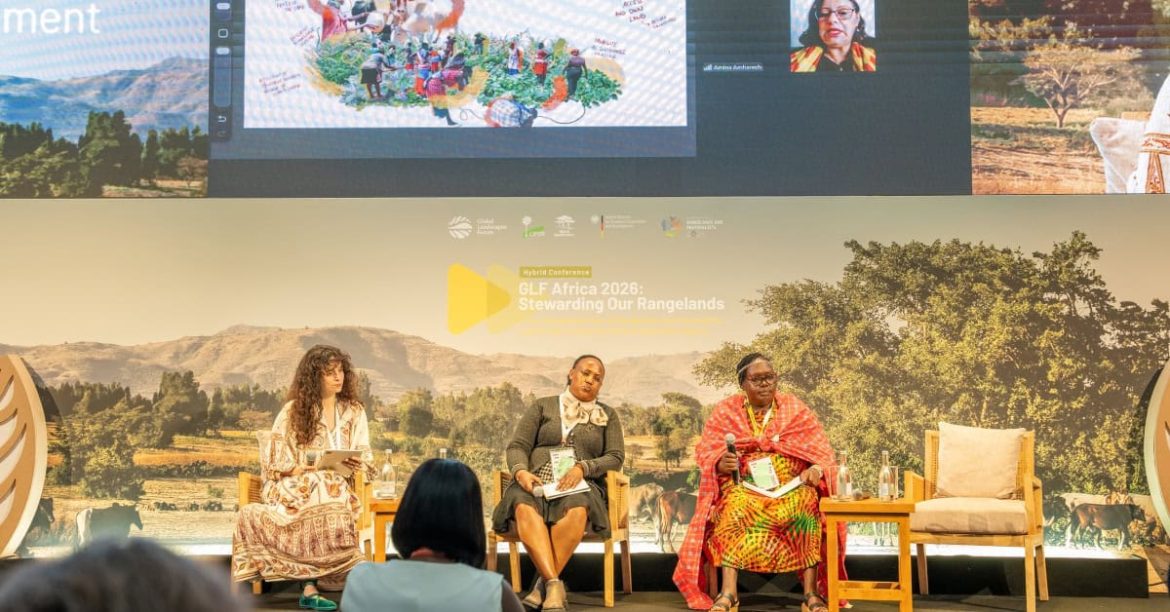
Africa’s vast rangelands, which sustain millions of livelihoods and underpin significant portions of the continent’s food systems, will take centre stage in Nairobi as policymakers, pastoralist communities, researchers, investors and development institutions convene for GLF Africa 2026: Stewarding Our Rangelands. The high-level hybrid summit, hosted at the CIFOR-ICRAF Campus in Kenya’s capital during the United Nations International Year of Rangelands and Pastoralists, seeks to address mounting threats facing rangeland ecosystems while elevating their role within climate resilience, food security and sustainable development strategies.
The gathering comes at a time when rangelands are facing increasing pressure from climate change, land degradation, conflict, population growth and chronic underinvestment. According to organisers, rangelands cover approximately 54 percent of the earth’s land surface and support the livelihoods of an estimated 1.2 billion people globally. They also contribute significantly to livestock production, biodiversity conservation, tourism and ecosystem services that underpin rural economies across Africa.
 For the continent, where pastoralism remains a critical economic and social activity across regions including the Horn of Africa, the Sahel and Southern Africa, the discussions extend beyond environmental conservation. They touch on issues of economic resilience, food production, social stability and climate adaptation in some of Africa’s most climate-vulnerable regions.
The summit is expected to bring together more than 8,000 participants both physically and virtually, reflecting growing recognition that rangelands represent an often overlooked component of global climate and development policy. While forests and renewable energy have received substantial international attention and financing, dryland ecosystems and pastoralist communities have frequently remained at the margins of environmental investment and policy frameworks.
According to development and environmental experts, this imbalance has created vulnerabilities in regions where livelihoods depend heavily on sustainable land management and livestock production. Climate variability, prolonged droughts and increasing competition over natural resources have intensified pressure on pastoralist communities in recent years, contributing to displacement, reduced productivity and heightened risks of localised conflict.
The Nairobi Summit is expected to focus on practical approaches for improving rangeland management, including sustainable grazing systems, restoration initiatives, land tenure security and nature-based solutions that enhance ecosystem resilience while supporting economic activity. Organisers argue that integrating indigenous knowledge with scientific innovation could play a critical role in improving land stewardship and strengthening adaptation strategies across Africa’s drylands.
Read also: https://events.globallandscapesforum.org/africa-2026/
The economic significance of rangelands extends far beyond pastoral communities. Livestock systems supported by these landscapes contribute substantially to national economies through meat, dairy and leather production while supporting complex value chains that generate employment across rural and urban markets. In many African countries, livestock remains one of the most important agricultural assets, contributing to household incomes, export revenues and food security.
According to regional development assessments, rangelands also provide ecosystem services that reduce environmental risks and support economic productivity. Healthy rangeland ecosystems improve water retention, enhance soil health, support biodiversity and contribute to carbon sequestration. These functions are becoming increasingly important as African countries seek to balance economic growth with climate resilience objectives.
The discussions are expected to align closely with continental policy priorities, including the African Union’s Agenda 2063 and broader efforts to build environmentally sustainable and climate-resilient economies. Goal 7 of Agenda 2063 specifically emphasises the protection of natural resources and the promotion of sustainable land management as foundations for long-term prosperity and food security.
The Summit also arrives amid growing international interest in nature-based solutions as governments and financial institutions seek cost-effective approaches to climate mitigation and adaptation. However, financing for dryland restoration and pastoralist development remains limited relative to the scale of need. Development practitioners have increasingly argued that greater investment in rangeland management could deliver significant returns through improved productivity, reduced vulnerability to climate shocks and enhanced ecosystem services.
For African policymakers, the challenge extends beyond securing investment. Strengthening governance systems, clarifying land rights, improving access to markets and supporting mobility for pastoralist communities remain essential components of sustainable rangeland management. In many regions, unresolved land tenure issues and fragmented policy frameworks continue to constrain efforts to unlock the full economic potential of these landscapes.
 The prominence being given to rangelands at GLF Africa 2026 reflects a broader shift in how sustainable development is being understood across the continent. Rather than viewing pastoralism and dryland management solely through a humanitarian or environmental lens, policymakers are increasingly recognising their importance to economic resilience, food systems and climate adaptation strategies.
As climate pressures intensify and competition for natural resources grows, the outcomes of discussions in Nairobi may contribute to shaping future policy approaches toward some of Africa’s largest and most economically significant landscapes. For a continent where millions depend directly on rangeland ecosystems for their livelihoods, the question is not only how to protect these environments, but how to ensure they remain productive assets capable of supporting sustainable growth, food security and resilience for generations to come.


