


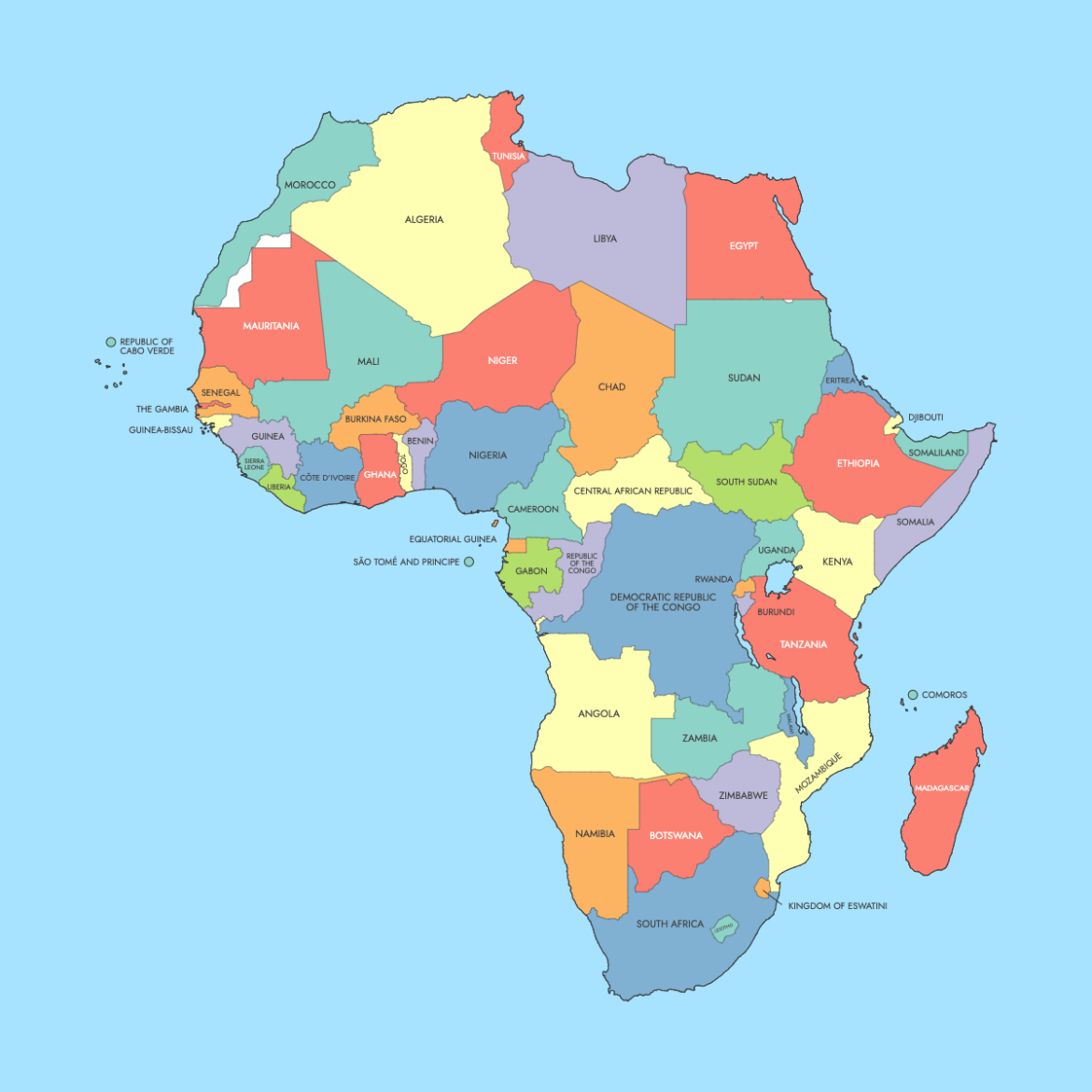
Africa’s growing role in global climate reporting is set to receive a significant boost following the launch of a new journalism fellowship targeting reporters from Ghana and Nigeria, reflecting increasing investment in strengthening evidence-based climate journalism across the continent as governments, businesses and development institutions accelerate climate adaptation and energy transition programmes.
The fellowship, announced in June 2026 by climate communication partners, invites journalists based in Ghana and Nigeria to apply for specialised training and reporting support focused on climate change, environmental sustainability and development issues. The initiative seeks to strengthen the quality of climate reporting by equipping journalists with the technical knowledge, data literacy and storytelling skills required to cover increasingly complex environmental and economic issues.
 The programme comes at a time when climate reporting has become increasingly important to African policymaking. Across the continent, governments are implementing adaptation strategies, renewable energy investments, climate-smart agriculture programmes and green industrialisation initiatives that require informed public scrutiny and accessible reporting.
According to organisers, the fellowship aims to build the capacity of journalists to produce fact-based, solutions-oriented reporting that connects climate science with its economic, governance and social implications. Successful applicants will receive professional development opportunities designed to improve reporting on issues ranging from climate finance and biodiversity conservation to food security, water management and energy transitions.
The initiative reflects a broader recognition that journalism plays an essential role in supporting informed public debate around climate policy. As African countries mobilise billions of dollars in climate finance through multilateral institutions, development banks and private investment, transparent reporting has become increasingly important in tracking implementation, monitoring accountability and assessing whether projects deliver intended development outcomes.
Climate reporting has also become more complex as environmental issues intersect with trade, infrastructure, public health, migration and financial markets. Journalists covering these developments require specialised knowledge to explain how climate-related decisions influence economic competitiveness, fiscal planning and long-term resilience.
The demand for skilled climate journalism continues to grow alongside Africa’s expanding role in global climate negotiations. African countries are increasingly shaping international discussions on adaptation financing, carbon markets, renewable energy investment and loss-and-damage mechanisms, placing greater responsibility on regional media to provide accurate, contextualised reporting that reflects African priorities.
Professional development programmes such as this fellowship also contribute to strengthening media institutions by encouraging investigative reporting, data-driven journalism and cross-border collaboration. Improved reporting standards can enhance public understanding of climate risks while supporting evidence-based policy discussions across government, academia, civil society and the private sector.
From an economic perspective, stronger climate journalism contributes to better governance by increasing transparency around environmental investments, infrastructure development and sustainability commitments. Investors, development partners and businesses increasingly rely on credible reporting to assess policy direction, regulatory developments and implementation progress across African markets.
 The fellowship also aligns with the African Union’s Agenda 2063 aspirations to build knowledge-based economies, strengthen democratic institutions and promote innovation. As climate change increasingly influences development planning across Africa, informed journalism is becoming an important component of institutional resilience, public accountability and sustainable economic transformation.
For Ghana and Nigeria, whose economies face mounting climate-related challenges ranging from coastal erosion and flooding to agricultural disruption and energy transition, strengthening environmental reporting capacity may contribute to more informed policy discussions while supporting broader efforts to build climate-resilient economies. As governments, businesses and communities navigate the complexities of sustainable development, specialised journalism is likely to play an increasingly important role in connecting scientific evidence with public decision-making and long-term economic planning.


