


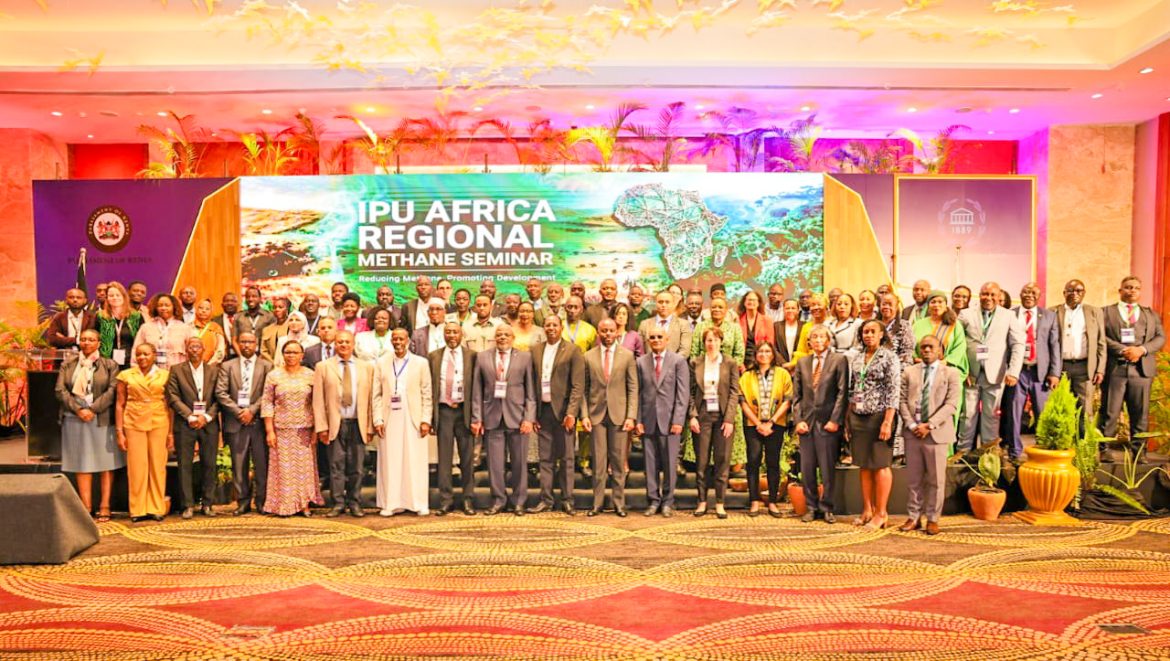
African research institutions are reshaping the continent’s approach to methane emissions by positioning the issue not only as a climate priority but as a strategic component of energy security, industrial competitiveness and economic resilience. New research by the Africa Centre for Energy Policy (ACEP) and the Sahara and Sahel Observatory (OSS), supported by the Clean Air Task Force (CATF), argues that methane mitigation should become an integral part of Africa’s energy planning as governments expand natural gas infrastructure while pursuing economic development and climate objectives. The studies provide practical policy frameworks designed for African conditions, where infrastructure gaps, financing constraints and competing development priorities often determine whether environmental commitments translate into implementation.
Methane has historically received relatively limited policy attention across much of Africa, where governments have prioritised expanding electricity access, addressing energy poverty and strengthening economic growth. Yet methane, the principal component of natural gas, has emerged as one of the most significant short-lived climate pollutants because of its substantially higher warming potential than carbon dioxide over the near term. At the same time, methane that escapes through leaks, venting and flaring represents lost commercial energy that could otherwise contribute to electricity generation, industrial production and export revenues.
 According to CATF, collaboration with African institutions has helped shift the conversation from treating methane solely as an environmental concern towards recognising its broader economic implications. This approach reflects a growing understanding that improving methane management can strengthen the efficiency of Africa’s gas sector while supporting long-term energy transition objectives.
ACEP’s latest research argues that methane reduction technologies are already technically feasible and, in many cases, economically attractive. Leak detection systems, repair technologies and gas recovery solutions have been deployed internationally for years and often generate financial returns by capturing gas that would otherwise be wasted. However, the institution argues that implementation decisions across Africa cannot rely solely on conventional global assessment tools.
Traditional methane abatement cost curves rank mitigation measures according to their estimated cost-effectiveness but frequently depend on broad assumptions rather than site-specific operational realities. ACEP contends that such models often fail to account for factors that determine whether projects are commercially viable in African markets, including infrastructure availability, capital requirements, regulatory certainty, financing conditions, market demand for recovered gas and implementation capacity.
The organisation has therefore proposed an enhanced decision-making framework that incorporates operational and institutional realities alongside technical mitigation potential. According to ACEP, policymakers and industry operators should evaluate methane reduction options against variables including gas offtake opportunities, market pricing, project financing, infrastructure readiness, implementation timelines and wider co-benefits such as improved operational safety, reduced insurance risks, enhanced regulatory compliance and greater access to climate finance.
The research suggests that aligning methane mitigation with broader energy-sector planning could improve gas utilisation while reducing operational inefficiencies that continue to affect electricity generation and industrial development across several African economies.
The Sahara and Sahel Observatory examines the issue from a broader strategic perspective, questioning whether natural gas can realistically serve as a transitional fuel if methane emissions remain inadequately managed. Across Africa, governments increasingly view natural gas as an important bridge between traditional fossil fuels and renewable energy systems because it offers lower carbon dioxide emissions than coal while providing reliable baseload power needed for industrialisation and urbanisation.
However, OSS argues that uncontrolled methane emissions significantly weaken these advantages. Methane leakage throughout exploration, production, transportation and distribution systems increases the overall climate footprint of gas while simultaneously reducing the economic value extracted from national gas resources.
This dynamic has important implications as international climate policies continue to evolve. Financial institutions, development banks and export markets are placing greater emphasis on emissions performance, supply chain transparency and environmental governance. Gas projects that fail to demonstrate effective methane management may therefore face increasing financing costs, greater regulatory scrutiny and reduced competitiveness in international markets.
According to OSS, methane management should therefore be regarded as central to determining whether Africa’s expanding gas industry can contribute meaningfully to both economic development and climate objectives. Without effective emissions controls, investments intended to support energy security risk becoming increasingly vulnerable to tightening global environmental standards and shifting investor expectations.
These findings are particularly relevant for major African gas producers including Nigeria, Ghana, Mozambique, Senegal, Tanzania and emerging producers seeking to expand domestic gas utilisation. Many governments have identified natural gas as a critical component of industrial policy, electricity expansion and export diversification strategies, making operational efficiency increasingly important as global energy markets transition towards lower-emission systems.
The research also arrives as international attention intensifies around methane reduction. Global initiatives such as the Global Methane Pledge and evolving reporting standards are encouraging governments and companies to quantify emissions more accurately while strengthening monitoring, verification and disclosure systems. African policymakers are therefore increasingly required to balance domestic development priorities with international climate commitments and investor expectations.
Beyond climate considerations, reducing methane emissions presents direct economic opportunities. Capturing lost gas improves resource efficiency, increases available fuel for domestic power generation, strengthens energy security and can reduce dependence on imported fuels. Improved operational performance also supports stronger fiscal returns from natural gas resources by increasing the commercial value recovered from existing infrastructure.
 The studies conclude that methane should no longer be treated as a standalone environmental issue but integrated into broader energy planning, infrastructure development and industrial policy. Embedding methane management within national gas strategies, electricity planning and regulatory frameworks would allow governments to maximise the developmental value of existing energy resources while improving environmental performance.
As Africa continues to expand its role in global energy markets, methane management is emerging as a defining factor in determining whether natural gas can genuinely support a resilient, competitive and lower-emissions development pathway. The work undertaken by ACEP and OSS illustrates how African expertise is increasingly shaping practical policy solutions that reflect the continent’s own economic realities rather than relying solely on imported frameworks, providing decision-makers with evidence-based approaches that link environmental stewardship directly to energy security, investment competitiveness and sustainable economic growth.


