


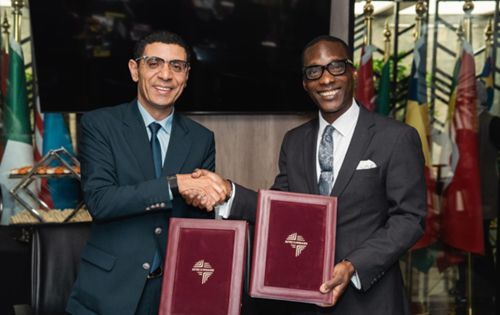
The African Export-Import Bank (Afreximbank) and IBDL Learning Group have launched a partnership to develop trade certification programmes and executive training initiatives aimed at strengthening the skills required to implement the African Continental Free Trade Area (AfCFTA). The agreement, signed in Cairo on July 10, will focus on building expertise in intra-African trade, industrialisation, supply chains, digital commerce and trade policy among professionals, businesses and public officials across the continent.
The partnership will be delivered through Afreximbank Academy (AFRACAD), the bank’s capacity-building platform, and is designed to address one of the major challenges facing Africa’s regional integration agenda: ensuring that institutions and businesses have the technical capabilities needed to operate effectively within a single continental market. The AfCFTA, which entered its operational phase in 2021, represents the world’s largest free trade area by number of participating countries, connecting 54 African economies with a combined population of more than 1.4 billion people. The agreement is expected to support greater intra-African trade, industrial development and regional value chains. However, implementation has required countries to address practical barriers including customs procedures, regulatory differences, logistics constraints, trade finance gaps and limited technical capacity.
According to Afreximbank, the new initiative will create specialised certification programmes covering intra-African trade, industrialisation and trade intelligence. It will also provide executive boot camps focused on supply chain management, e-commerce, cross-border trade and trade facilitation. The programme will further expand executive education opportunities for African diplomats and government officials involved in trade negotiations and economic policy. Selected IBDL programmes will be integrated into AFRACAD’s digital learning platform, allowing wider access for professionals across African markets. The focus on skills development reflects a growing recognition that regional integration requires more than physical infrastructure and financial resources. While investments in roads, ports, energy systems and payment platforms remain critical, businesses also require knowledge of trade regulations, international standards, digital tools and market intelligence to compete effectively.
For African companies, especially small and medium-sized enterprises, navigating cross-border trade remains complex. Differences in customs processes, product standards, taxation systems and documentation requirements can increase transaction costs and limit participation in regional markets. Building institutional capacity is therefore becoming a central component of AfCFTA implementation. The partnership between Afreximbank and IBDL places human capital alongside trade finance and infrastructure as a key enabler of continental economic integration.
Afreximbank has increasingly positioned itself as a major institution supporting African trade transformation. Beyond financing, the bank has invested in initiatives aimed at improving payment systems, industrial development and market access. Its role in supporting the Pan-African Payment and Settlement System (PAPSS), developed with the AfCFTA framework, reflects efforts to reduce barriers to cross-border transactions. The new training initiative complements these interventions by focusing on the professionals responsible for implementing trade policies and managing commercial activities across borders.
The timing of the partnership also reflects Africa’s broader industrialisation agenda. The continent continues to seek ways to move beyond exporting raw materials and increase participation in higher-value manufacturing and service industries. According to the African Union’s Agenda 2063, skills development is central to Africa’s economic transformation strategy. Expanding technical, managerial and digital capabilities is considered essential for improving productivity and supporting competitive industries. The African Development Bank has similarly highlighted workforce development as a critical factor in addressing unemployment and improving economic opportunities, particularly among young Africans. Its Jobs for Youth in Africa Strategy identifies skills development and entrepreneurship support as important drivers of employment creation.
The World Bank has also emphasised that stronger technical, management and digital skills will be necessary as African economies diversify into manufacturing, technology and services. The partnership between Afreximbank and IBDL comes at a time when digital trade is becoming increasingly important. The implementation of the AfCFTA Protocol on Digital Trade is expected to create new opportunities for businesses involved in online commerce, digital services and technology-enabled trade. However, effective participation will depend on digital literacy, regulatory understanding and access to appropriate platforms. For governments, strengthening trade-related skills will also be important as they negotiate regional agreements, implement customs reforms and develop policies supporting industrial growth.
https://www.aecweek-registration.com/2026/
The initiative highlights a broader shift in Africa’s development approach: recognising that economic integration depends not only on agreements between governments but also on the capacity of institutions, entrepreneurs and workers to use those agreements effectively. As African economies continue implementing the AfCFTA, the ability to translate policy commitments into commercial opportunities will depend heavily on knowledge, coordination and technical expertise. The Afreximbank-IBDL partnership represents one effort to address this capacity challenge by developing a workforce equipped to support Africa’s emerging continental market. The success of regional integration will ultimately depend on whether businesses and institutions have the tools required to participate, compete and create value within a more connected African economy.


