


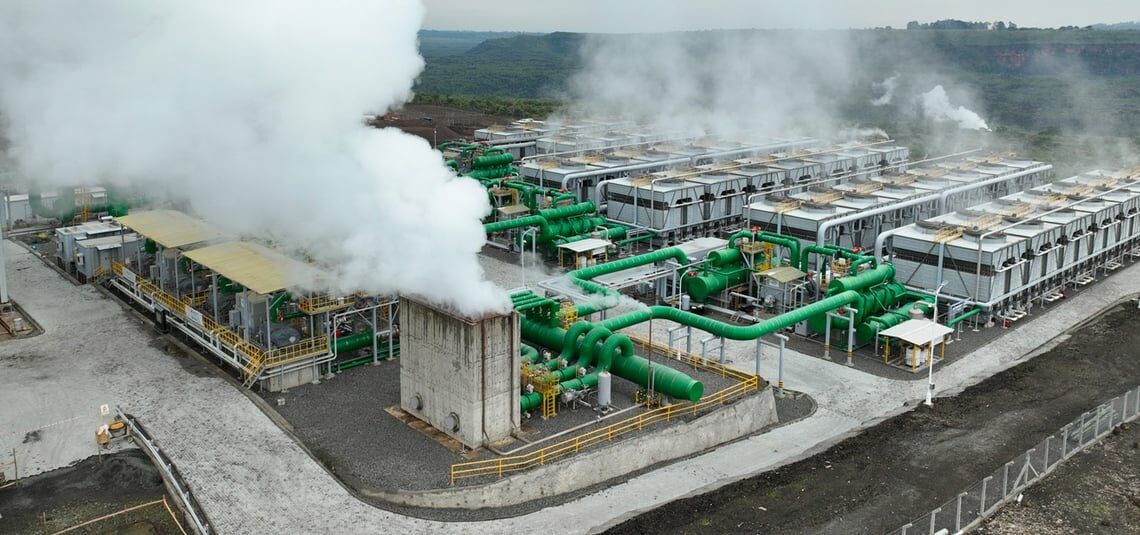
Kenya is accelerating its clean energy transition with plans for gigawatt-scale renewable energy generation and battery energy storage investments, while advancing early-stage geothermal exploration designed to strengthen long-term electricity security and support the country’s growing power demand. The initiatives, led by state-owned power producer Kenya Electricity Generating Company (KenGen), signal a renewed commitment to expanding renewable energy infrastructure as the country positions itself as one of Africa’s leading clean energy markets.
According to KenGen, the company is pursuing a pipeline of large-scale renewable energy projects that combines new geothermal generation, utility-scale battery energy storage systems (BESS), wind and solar developments to improve grid stability while supporting Kenya’s broader energy transition objectives. The programme follows board approvals for preliminary studies on additional geothermal drilling and new generation capacity, reinforcing geothermal energy’s role as the backbone of Kenya’s electricity system.
 The planned investments come at a time when electricity demand across Kenya continues to grow, driven by urbanisation, industrial expansion, digital infrastructure development and increasing electrification. While Kenya already generates the majority of its electricity from renewable sources, maintaining grid reliability will require significant additional capacity alongside technologies capable of balancing intermittent renewable generation.
Geothermal energy remains central to Kenya’s long-term strategy because it provides stable baseload electricity that is not dependent on weather conditions. Unlike solar and wind generation, geothermal plants can operate continuously, reducing dependence on fossil fuel generation during periods of peak demand or variable renewable output. Expanding geothermal capacity could therefore strengthen energy security while helping Kenya maintain one of Africa’s lowest-carbon electricity systems.
Battery energy storage is emerging as an equally important component of the country’s electricity strategy. Large-scale battery systems improve grid flexibility by storing surplus electricity generated during periods of low demand and releasing it when consumption rises. According to energy analysts, integrating battery storage alongside renewable generation allows utilities to optimise existing infrastructure, reduce curtailment of renewable energy and improve overall system resilience without relying heavily on expensive thermal backup generation.
The expansion reflects broader trends across African electricity markets, where utilities are increasingly combining renewable generation with storage technologies to improve network reliability. Countries including South Africa, Morocco, Egypt and Namibia have begun integrating battery storage into national power systems as renewable energy penetration increases, demonstrating a wider continental shift towards more flexible electricity infrastructure.
For Kenya, expanding renewable generation also carries significant economic implications beyond electricity supply. Affordable and reliable power remains a critical determinant of industrial competitiveness, manufacturing growth and private sector investment. Stable electricity systems reduce production costs for businesses, improve operating conditions for small and medium-sized enterprises, and strengthen investor confidence in sectors ranging from manufacturing to digital services and agribusiness.
The investment programme also aligns with Kenya’s ambitions to position itself as a regional clean energy hub within East Africa. As neighbouring countries expand cross-border electricity interconnections through the Eastern Africa Power Pool, additional renewable generation capacity could strengthen Kenya’s role as both a producer and exporter of low-carbon electricity, supporting regional energy integration while creating new commercial opportunities.
Financing remains an important consideration as Africa’s electricity sector seeks to meet rapidly growing demand while limiting carbon emissions. Renewable energy projects continue attracting support from multilateral development banks, climate finance institutions and private investors because of their contribution to emissions reduction, energy security and sustainable economic development. Utility-scale battery storage is also becoming increasingly attractive to investors as declining technology costs improve project economics.
Read also: https://www.africa-energy.com/news-centre/strategy-risk/esg
The expansion of geothermal exploration highlights another strategic advantage unique to Kenya. The country’s position along the Great Rift Valley provides one of the world’s largest untapped geothermal resources, offering long-term opportunities to develop reliable renewable electricity with relatively low operational emissions. Continued exploration and resource assessment are expected to determine the commercial viability of additional geothermal fields capable of supporting future power generation.
 KenGen’s latest plans illustrate how African utilities are increasingly adopting integrated energy strategies that combine renewable generation, storage technologies and modern grid management to respond to rising electricity demand while supporting climate commitments. As governments across the continent pursue industrialisation and economic diversification, investments that improve energy reliability while reducing carbon intensity are becoming central to national development planning.
For Africa, Kenya’s renewable energy expansion demonstrates the growing maturity of the continent’s clean energy sector. Rather than focusing solely on increasing generation capacity, utilities are increasingly investing in system flexibility, storage and long-term resource development that together strengthen electricity resilience, reduce dependence on imported fossil fuels and create the infrastructure needed to support sustainable economic growth.


