


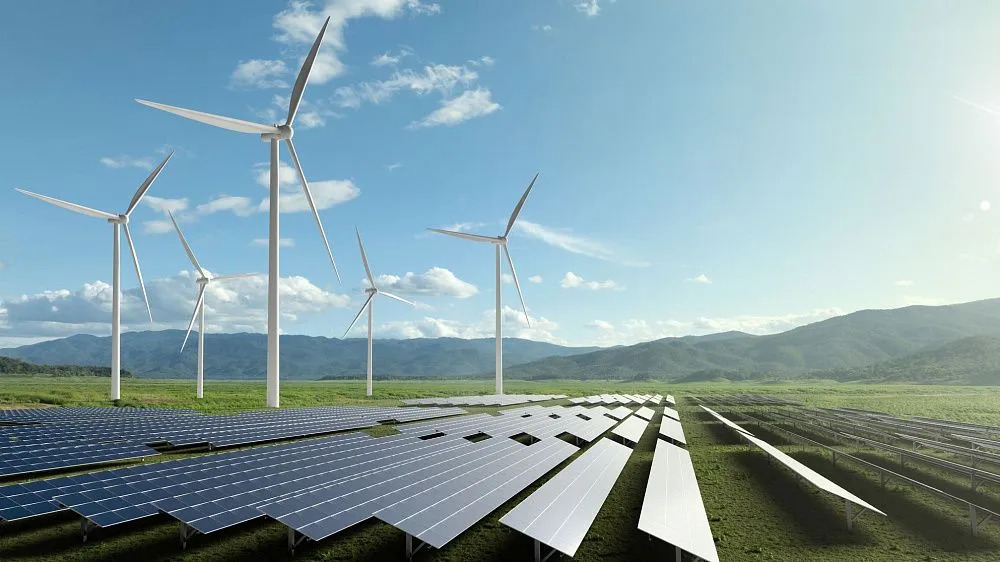
Tunisia is intensifying efforts to stabilise its electricity system through a combination of emergency grid upgrades and long-term renewable energy investments as the country seeks to overcome an electricity crisis that has disrupted power supply for more than three weeks. The Tunisian Electricity and Gas Company (STEG), backed by the government, is deploying new high-voltage infrastructure while advancing policies aimed at expanding solar energy, promoting green hydrogen production and reducing dependence on imported fossil fuels. The measures reflect Tunisia’s broader strategy to improve energy security, strengthen grid resilience and accelerate its transition towards a more sustainable electricity system.
The latest intervention centres on reinforcing the national transmission network. According to STEG, a new 360-megavolt-ampere (MVA) transformer is scheduled to enter service at the Mornaguia high-voltage substation, with a second 400 MVA transformer expected to become operational shortly thereafter. Manufactured in China, the transformers are designed to expand transmission capacity, improve electricity distribution and relieve pressure on an ageing grid that has struggled to cope with record electricity demand during one of the country’s hottest summers in recent years.
The immediate objective is to restore greater stability to the national electricity network after weeks of supply constraints linked to surging demand for cooling systems during prolonged heatwaves. According to energy authorities, the additional transformer capacity will improve operational flexibility while reducing the risk of overloads across key sections of the transmission system.
While the infrastructure upgrades provide important short-term relief, analysts note that Tunisia’s electricity challenges extend well beyond seasonal demand pressures. According to energy sector assessments, years of rising electricity consumption, declining domestic hydrocarbon production, ageing network infrastructure and growing dependence on imported natural gas have exposed structural weaknesses within the country’s energy system.
Natural gas continues to fuel the majority of Tunisia’s electricity generation, making the sector increasingly vulnerable to international energy price volatility, supply disruptions and foreign exchange pressures. These challenges have reinforced the government’s determination to diversify electricity generation through greater investment in renewable energy and modern transmission infrastructure.
According to government plans, renewable energy is expected to account for approximately 35 per cent of Tunisia’s electricity generation over the coming years. Achieving this target will require substantial investment in utility-scale solar power projects, grid modernisation and complementary storage technologies capable of supporting higher levels of intermittent renewable generation.
For Africa, Tunisia’s experience illustrates one of the continent’s most pressing energy transition challenges. Many African countries are simultaneously facing rapidly growing electricity demand, ageing infrastructure and increasing climate-related pressures while attempting to reduce dependence on imported fossil fuels. Strengthening electricity networks has therefore become as important as expanding generation capacity, particularly as renewable energy projects continue to grow across the continent.
According to the African Development Bank, inadequate transmission and distribution infrastructure remains one of the principal barriers limiting renewable energy integration in many African markets. Grid bottlenecks frequently delay project commissioning, reduce system efficiency and constrain the ability of utilities to absorb additional renewable generation.
Recognising these constraints, Tunisia’s energy strategy combines infrastructure reinforcement with wider policy reforms aimed at attracting both domestic and international investment. Authorities are seeking to create a more favourable investment environment through long-term power purchase agreements and regulatory measures designed to accelerate renewable energy deployment while encouraging private sector participation.
The government is also promoting electricity self-generation by households, businesses and industrial facilities. Expanding distributed generation could reduce pressure on the national grid during peak demand periods while enabling consumers to lower electricity costs and contribute directly to national energy resilience.
Green hydrogen has emerged as another strategic component of Tunisia’s long-term energy ambitions. Benefiting from abundant solar resources and its geographical proximity to Europe, Tunisia is positioning itself as a potential producer and exporter of renewable hydrogen for Mediterranean and European markets. Several international cooperation agreements have already been established to explore investment opportunities in hydrogen production, export infrastructure and associated renewable energy development.
According to industry observers, successful development of a green hydrogen sector could diversify Tunisia’s economy, attract foreign investment and strengthen the country’s role within emerging international clean energy value chains. However, achieving these ambitions will require substantial investment in renewable electricity generation, transmission infrastructure, water management systems and export logistics.
The current electricity crisis also underscores the increasing interaction between climate change and energy infrastructure across North Africa. Rising temperatures and more frequent heatwaves are driving record electricity demand, particularly through increased use of air conditioning in urban centres. At the same time, climate change is placing additional pressure on water resources that support conventional power generation and other critical infrastructure.
Strengthening electricity infrastructure therefore serves not only as an energy policy objective but also as a climate adaptation measure capable of improving resilience against increasingly frequent extreme weather events. Modern transmission systems, diversified energy sources and decentralised renewable generation can reduce vulnerability to future supply disruptions while supporting more reliable electricity access for households and businesses.
For Tunisia, reliable electricity remains fundamental to economic competitiveness, industrial productivity and investor confidence. Manufacturing industries, tourism facilities, healthcare institutions and digital services all depend on stable electricity supply to sustain operations and support economic growth. Continued supply interruptions risk increasing operational costs while constraining broader economic recovery efforts.
Across Africa, similar infrastructure challenges continue to shape national energy policies. Governments are increasingly recognising that achieving universal energy access and accelerating industrialisation will require integrated investment strategies that strengthen generation, transmission, distribution and system resilience simultaneously.
Tunisia’s latest interventions therefore represent more than an emergency response to seasonal electricity shortages. They form part of a broader effort to modernise the country’s energy sector, reduce structural vulnerabilities and create an electricity system capable of supporting long-term economic development while advancing national climate commitments. If effectively implemented, the combination of strengthened grid infrastructure, renewable energy expansion and green hydrogen development could improve energy security, reduce dependence on imported fuels and position Tunisia more competitively within the rapidly evolving global clean energy economy.


