


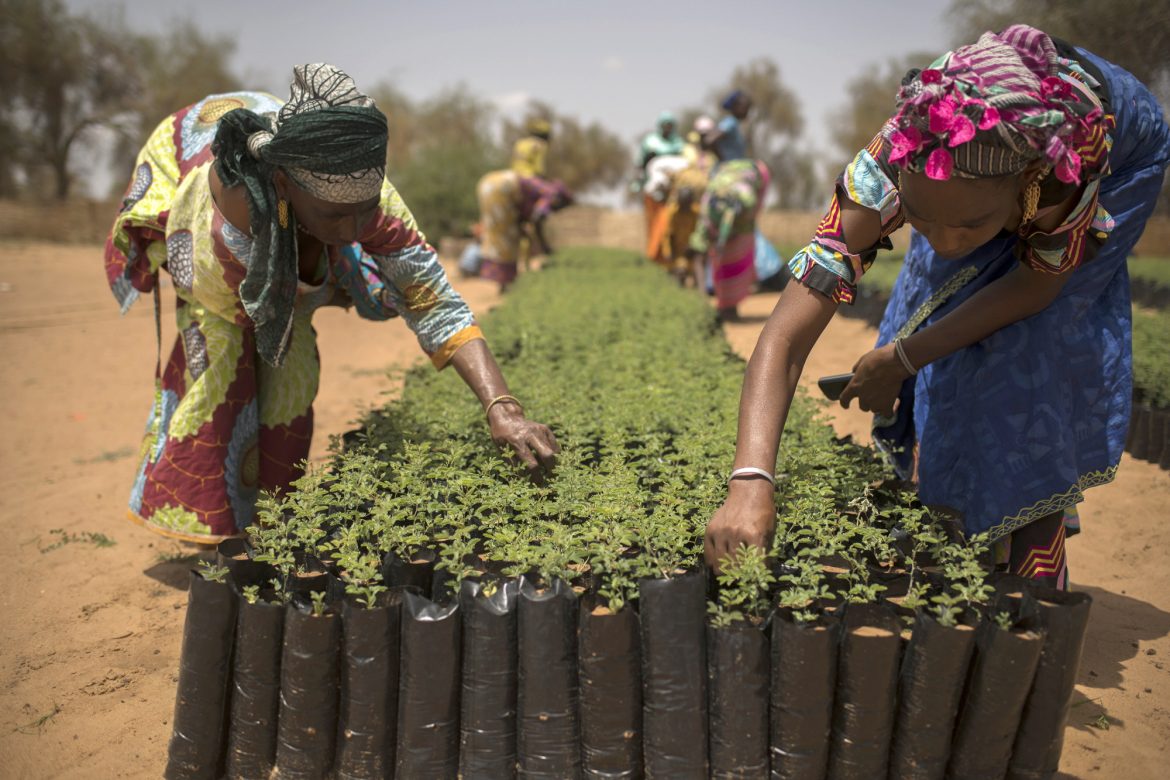
Community-led conservation and ecosystem restoration initiatives are attracting growing attention from governments, investors and corporations as evidence mounts that locally managed nature projects can deliver measurable environmental, social and economic benefits while contributing to global biodiversity and climate targets. The trend is reshaping how nature-based solutions are financed and implemented, with increasing flows of capital directed toward projects that place local communities at the centre of environmental stewardship.
 According to the United Nations Environment Programme’s State of Finance for Nature report, approximately US$200 billion is invested globally each year in nature-based solutions, with a growing share reaching community-driven initiatives focused on reforestation, watershed restoration, mangrove protection and urban greening. Advocates of the approach argue that local ownership strengthens project longevity by ensuring ongoing monitoring, maintenance and alignment with community needs.
The growing emphasis on community-led action reflects a broader shift in sustainability and conservation policy. Rather than relying exclusively on centrally managed conservation models, governments, development institutions and businesses are increasingly recognising that local populations often possess critical knowledge of ecosystems and natural resource management. Research cited by the International Union for Conservation of Nature indicates that locally managed areas frequently achieve biodiversity outcomes comparable to, and in some cases exceeding, those of strictly protected reserves.
For Africa, the implications are significant. The continent is simultaneously confronting biodiversity loss, climate change, land degradation and growing pressure on natural resources, while also seeking to expand economic opportunities for rapidly growing populations. Community-led restoration projects have emerged as a practical mechanism for addressing these interconnected challenges by linking environmental protection with livelihoods, food security and local economic development.
Across the continent, reforestation and agroforestry initiatives are increasingly being integrated into development and climate adaptation strategies. These projects often combine the restoration of degraded landscapes with income-generating activities for farmers and local cooperatives. According to the report, involving communities from the planning stage can reduce land-use conflicts and improve project implementation by incorporating local ecological knowledge into restoration efforts.
Corporate sustainability strategies are also evolving to incorporate community-based nature projects as part of broader environmental, social and governance (ESG) commitments. Companies are increasingly partnering with local organisations, conservation groups and regional governments to fund habitat restoration, biodiversity protection and climate resilience initiatives that can demonstrate measurable environmental outcomes. According to Sustainability Magazine, such projects are becoming more important as businesses align with disclosure frameworks such as the Taskforce on Nature-related Financial Disclosures (TNFD), which emphasises assessing and managing nature-related risks and impacts.
Read also: https://sustainabilitymag.com/articles/community-nature-projects-local-action-drives-global-impact
Major multinational companies including Unilever, Nestlé, AstraZeneca, Microsoft, Amazon and Apple have committed substantial funding to nature restoration programmes that incorporate local community participation. These investments span activities ranging from agroforestry and watershed restoration to mangrove rehabilitation and biodiversity conservation. Several projects extend into African markets, where environmental restoration is increasingly linked to supply chain resilience, agricultural productivity and climate adaptation objectives.
Nestlé, for example, has committed to planting 200 million trees by 2030 through its Global Reforestation Programme, with significant activity in West Africa, where cocoa supply chains remain highly vulnerable to climate-related disruptions. The company says its approach focuses on integrating native trees into farming systems while supporting smallholder livelihoods and strengthening ecosystem resilience.
Similarly, AstraZeneca’s AZ Forest initiative includes work with more than 28,000 smallholder farmers in Rwanda, combining tree planting with soil conservation measures intended to improve water retention, agricultural productivity and climate resilience. According to the company, such programmes seek to align environmental restoration with broader development outcomes.
The economic rationale for these initiatives is becoming increasingly important. Nature degradation carries direct fiscal and economic consequences for African countries through reduced agricultural output, heightened exposure to flooding and drought, declining ecosystem services and increased infrastructure vulnerability. Restoring forests, wetlands and coastal ecosystems can help reduce these risks while supporting sectors such as agriculture, fisheries, tourism and water management.
Marine and coastal restoration projects are gaining particular prominence. According to the article, community-led seagrass and kelp restoration schemes involve local fishers and divers in monitoring and protecting marine habitats that provide both ecological and economic value. Research cited by the International Union for Conservation of Nature suggests seagrass ecosystems can capture carbon at significantly higher rates than many terrestrial ecosystems, increasing their relevance within emerging carbon and natural capital markets.
Urban areas are also becoming an important frontier for community conservation efforts. Microforests and small-scale greening projects are being deployed in densely populated cities to mitigate heat island effects, improve stormwater management and expand access to green public spaces. As African cities urbanise rapidly, such interventions may become increasingly relevant to municipal climate adaptation and public health planning.
The challenge facing policymakers and investors is how to scale local successes into broader national and regional programmes without undermining community ownership. According to Sustainability Magazine, achieving greater impact will require sustained financing, transparent monitoring frameworks and mechanisms that ensure communities receive equitable benefits from nature-based investments and natural capital markets.
The debate comes as countries seek to meet international biodiversity commitments, including targets under the Kunming-Montreal Global Biodiversity Framework, which aims to restore 30% of degraded ecosystems by 2030. While global goals are often negotiated at international forums, implementation ultimately depends on local institutions, land users and communities responsible for managing landscapes and ecosystems on a daily basis.
 For Africa, where environmental sustainability is closely tied to economic development, food systems and climate resilience, the rise of community-led nature projects highlights a growing recognition that conservation outcomes are more likely to endure when local communities are not simply beneficiaries of interventions but active participants in their design, governance and long-term management.


