


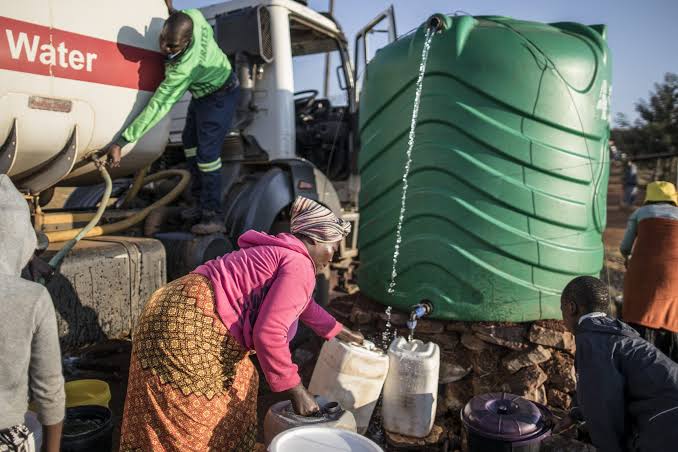
South African companies are being urged to treat water security as a strategic business risk rather than a routine operational issue as deteriorating municipal infrastructure, recurring supply interruptions and declining water quality increasingly threaten production, compliance and long-term investment decisions. The warning reflects growing concern that water scarcity is becoming a material economic and governance challenge for businesses operating in one of the world’s most water-stressed countries.
 According to Robert Erasmus, Managing Director of Sanitech, water can no longer be viewed as a predictable utility service managed solely at facility level. In a business environment marked by frequent water disruptions and infrastructure failures, corporate leadership is increasingly expected to understand, manage and disclose water-related risks as part of broader environmental, social and governance (ESG) responsibilities.
The shift comes as South Africa confronts mounting pressure on its water systems. Climate variability, ageing infrastructure, urbanisation and years of underinvestment have combined to place increasing strain on municipal water networks. Businesses across manufacturing, mining, agriculture, property and industrial sectors are facing greater exposure to supply interruptions that can halt operations, disrupt supply chains and increase production costs.
Water security has emerged as a critical economic issue rather than a purely environmental concern. According to estimates cited by industry analysts, South Africa could face a 17% increase in water scarcity within the next four years, a trend that may weigh on economic growth and productivity. Previous drought events have already demonstrated the scale of potential losses. The 2017-2018 Western Cape drought resulted in billions of rand in agricultural losses and significant job losses, highlighting the vulnerability of key economic sectors to water shocks.
For corporate South Africa, one of the most immediate challenges is the lack of comprehensive water data. Many organisations struggle to accurately track consumption, losses, water quality and wastewater discharge across multiple facilities. According to Erasmus, limited visibility over water use makes it difficult for companies to establish reduction targets, manage operational risks and meet evolving ESG disclosure requirements demanded by investors, lenders and regulators.
The issue extends beyond individual companies. South Africa’s broader water infrastructure challenges have implications for investment attractiveness, industrial competitiveness and public finances. The country faces substantial infrastructure maintenance and expansion requirements at a time when many municipalities are already financially constrained. According to assessments cited by water-sector experts, only a portion of the funding required for future water infrastructure investment is currently available, creating a significant financing gap that could affect both service delivery and economic growth.
The consequences of infrastructure constraints are increasingly visible across the country. Water losses through leaks, deteriorating pipelines, vandalism and illegal connections continue to undermine service reliability. Industry estimates indicate that a substantial share of treated water is lost before reaching consumers, increasing operational costs for municipalities while reducing available supply for households and businesses.
For sectors such as mining, manufacturing and food processing, water availability is directly linked to production continuity. Interruption of supply can halt operations, damage equipment and expose firms to regulatory risks related to wastewater management and environmental compliance. As a result, companies are increasingly exploring alternative strategies including water recycling, efficiency improvements, on-site treatment systems and greater monitoring of water use across facilities.
The growing focus on water risk also reflects international shifts in sustainability reporting and investment decision-making. Investors and financial institutions increasingly assess corporate exposure to physical climate risks, including water scarcity, flooding and infrastructure vulnerability. Companies unable to demonstrate effective water stewardship may face increased financing costs, reputational risks and heightened scrutiny from stakeholders concerned about long-term business resilience.
The South African experience carries wider relevance across Africa. Many countries face similar pressures from rapid urbanisation, climate variability, ageing infrastructure and constrained public finances. Water shortages and declining water quality can undermine agricultural productivity, industrial development, energy generation and public health, creating ripple effects across economies and communities. As climate impacts intensify, water management is increasingly becoming a central component of economic planning, risk management and sustainable development strategies.
According to industry experts, strengthening resilience will require closer collaboration between governments, utilities, financiers and the private sector. Businesses are expected to play a more active role in understanding local water stress, investing in efficiency measures and supporting infrastructure solutions that reduce operational vulnerability. However, the scale of the challenge suggests that private-sector action alone is unlikely to be sufficient without broader improvements in municipal infrastructure and long-term financing frameworks.
 For Africa’s most industrialised economy, the debate is no longer simply about access to water. It is increasingly about economic resilience, business continuity and the capacity of institutions to manage a resource that underpins nearly every sector of the economy. As water risks become more visible in corporate balance sheets and investment decisions, they are moving from utility management departments into boardrooms, where they are increasingly viewed as a defining challenge for long-term growth and competitiveness.


