


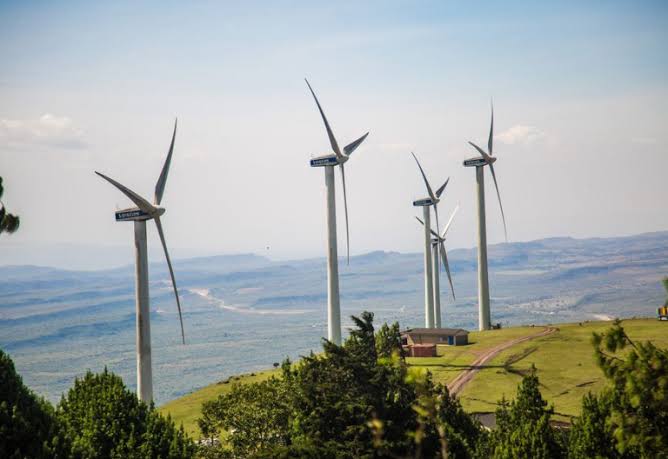
For more than a decade, Kenya has been widely celebrated as one of Africa’s renewable-energy success stories. Through sustained investment in geothermal, hydropower, wind and solar energy, the country has built one of the continent’s cleanest electricity systems. Today, renewable sources account for more than 80% of Kenya’s electricity generation mix, while geothermal power remains the single largest source of electricity, making Kenya Africa’s leading producer of geothermal energy.
These achievements have made Kenya a continental model for low-carbon development and a reference point for energy transitions across Africa. But as the country pushes deeper into its clean-energy future, a new challenge is emerging. By 2026, the biggest sustainability concern is no longer how to generate clean electricity but how to deliver it reliably, efficiently and affordably to consumers.
As electricity demand rises alongside industrialization, urban expansion, digital transformation and the gradual adoption of electric mobility, concerns about the strength and resilience of Kenya’s electricity grid are becoming increasingly difficult to ignore. The issue moved to the forefront of national attention following a series of major power outages that affected the country in 2024.

On 30 August 2024, a nationwide blackout plunged most parts of Kenya into darkness. Major cities, including Nairobi, Mombasa and Kisumu, were affected, while only the North Rift region and sections of Western Kenya remained largely untouched. Kenya Power later confirmed that electricity supply had been lost across vast parts of the country before restoration efforts began. The disruption came as a major shock to consumers and businesses. Yet less than a week later, on 6 September 2024, the country experienced another widespread outage. The second blackout reignited public concerns about the reliability of Kenya’s electricity system and raised fresh questions about the resilience of the national grid.
According to reports from Kenya Power and the Ministry of Energy, the September outage was linked to failures involving critical transmission infrastructure, including the Loiyangalani-Suswa transmission line and the Ethiopia-Kenya interconnector. The disruption led to the loss of approximately 488 MW from the national grid, representing more than a quarter of total generation at the time and triggering a cascading system failure across much of the country. The back-to-back blackouts exposed an important reality. While Kenya has made significant progress in expanding renewable-energy generation, investment in transmission infrastructure and grid resilience has not always kept pace with the growing complexity of the power system or the country’s increasing electricity demand.
For policymakers, the challenge is now less about producing electricity and more about ensuring that electricity reaches homes, businesses and industries without interruption. The implications extend well beyond the energy sector. Reliable electricity remains critical for economic growth, social development and climate resilience. Manufacturing firms depend on continuous power to maintain production schedules and control operating costs. Hospitals require stable electricity to deliver essential healthcare services. Schools are becoming increasingly reliant on digital learning platforms that demand uninterrupted connectivity. Small and medium sized enterprises, which form the backbone of Kenya’s economy, continue to face productivity losses and revenue disruptions whenever outages occur.
As a result, grid reliability is no longer simply an engineering issue. It has become a national development priority. The stakes are growing as Kenya seeks to strengthen its position as East Africa’s hub for technology, financial services, innovation and green industrialization. Data centers, technology parks, digital payment systems and modern manufacturing facilities all depend on dependable electricity. At the same time, recent sector assessments suggest that peak electricity demand is moving closer to available firm capacity, reducing system flexibility and increasing the need for stronger transmission networks and adequate reserve margins.
For Kenya’s broader economic ambitions, a resilient grid is becoming just as important as renewable-energy generation itself. Affordability adds another layer of complexity. Despite the country’s strong renewable-energy credentials, many consumers continue to face pressure from electricity costs influenced by exchange-rate fluctuations, fuel-cost adjustments and the expense of network investments. Policymakers therefore face a delicate balancing act: maintaining affordable electricity tariffs while investing sufficiently in the infrastructure needed to safeguard long-term energy security.
Recognizing these challenges, the Kenyan government and sector institutions have accelerated efforts to strengthen transmission infrastructure. The Kenya Electricity Transmission Company (KETRACO) is currently implementing several strategic projects aimed at reducing network congestion, improving power evacuation capacity and enhancing overall system stability. The government has also embraced public-private partnerships in transmission development, reflecting a growing recognition that substantial investment will be required to modernize the grid and accommodate future demand. At the same time, energy storage is emerging as a critical component of Kenya’s next phase of energy development. As solar and wind generation continue to expand, battery energy storage systems are increasingly being viewed as a solution for stabilizing the grid, storing excess renewable energy and providing support during periods of peak demand or network disruptions.
Globally, energy storage technologies are becoming central to modern renewable-energy systems, and Kenya is beginning to explore their potential role in improving grid flexibility and resilience. Kenya’s achievements in renewable energy remain remarkable and continue to offer valuable lessons for developing economies pursuing sustainable-development pathways. However, the next chapter of the country’s energy transition is likely to be defined not by how much clean electricity it can generate, but by how effectively that electricity can be delivered to consumers. The widespread blackouts of 2024 served as a reminder that even a highly renewable electricity system remains vulnerable when transmission infrastructure is constrained, and system redundancy is inadequate.
Looking ahead, the success of Kenya’s green-energy transition will depend on sustained investment in grid modernization, transmission expansion, energy storage and overall system resilience. Clean-energy generation has already become one of the country’s greatest sustainability achievements. Ensuring that this power remains reliable, accessible and affordable for households, businesses and industries may ultimately determine whether Kenya can convert its renewable energy leadership into long-term economic competitiveness and inclusive sustainable development.


