


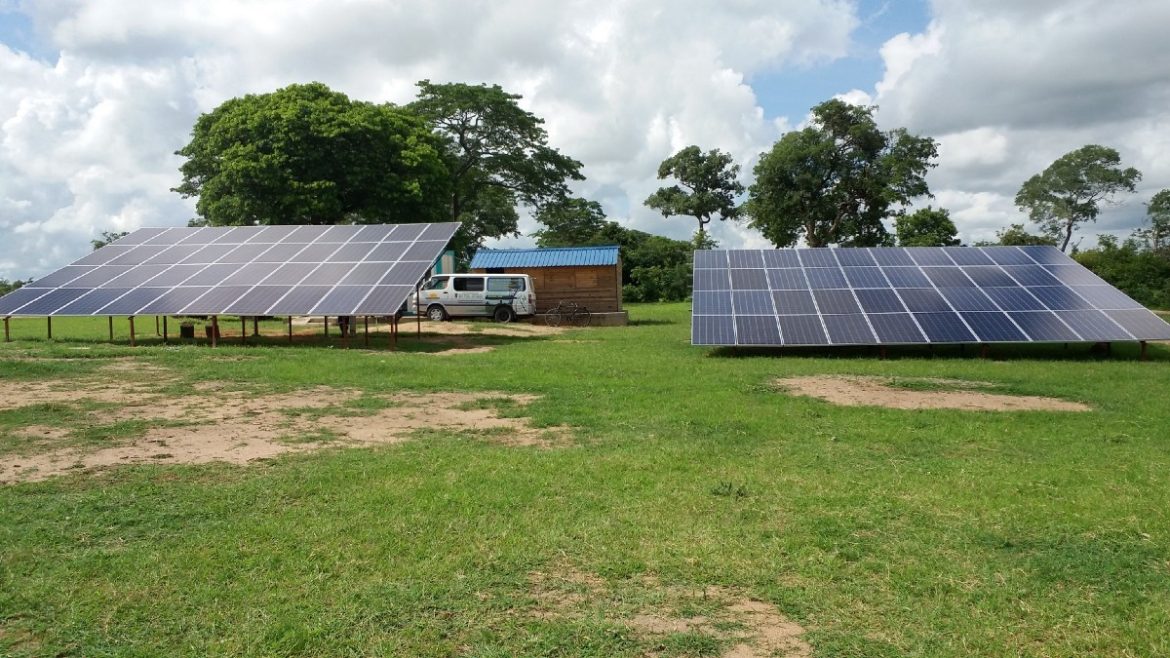
The Federal Government of Somalia, in strategic partnership with the United Nations Development Programme (UNDP) and backed by the Global Environment Facility (GEF), has rolled out an advanced digital monitoring system designed to oversee and optimize renewable-energy mini-grids across the country. Unveiled through stakeholder frameworks tied to the Africa Minigrids Program (AMP), the initiative introduces centralized data tracking and performance management architecture explicitly tailored to bridge the chasm between private electricity providers, institutional capital markets, and rural energy consumers. By targeting the structural information asymmetries and high perception of risk that have historically hindered commercial debt financing in fragile African markets, the intervention establishes a transparent, data-driven foundation intended to scale solar hybridization, reduce heavy reliance on imported fossil fuels, and systematically lower the cost of capital for decentralized clean energy infrastructure.
According to the Ministry of Energy and Water Resources, the newly introduced digital monitoring apparatus addresses a critical vulnerability within Somalia’s decentralized power matrix. For decades, the nation’s electricity generation and distribution have been dominated by an ecosystem of private Electricity Service Providers (ESPs) operating localized, high-cost diesel-powered mini-grids. While these private operators successfully filled the void left by historical institutional collapse, their reliance on imported diesel exposes local commercial enterprises, public institutions, and households to extreme fuel-price volatility and persistent macroeconomic friction. Furthermore, the absence of standardized, verifiable operational data has crippled the ability of commercial and state-owned banks to underwrite loans for capital-intensive solar and hybrid assets. The digital monitoring framework directly counteracts this deadlock by supplying real-time metrics on generation capacity, grid load factors, financial cash flows, and system reliability, transforming opaque operational models into auditable, investment-grade portfolios.
 According to energy economists and institutional stakeholders, the implications of this digital infrastructure extend far beyond environmental mitigation, positioning energy reform as a fundamental pillar of national macroeconomic stabilization and fiscal resilience. In an economic landscape where traditional sovereign guarantees are severely constrained by public debt burdens and geopolitical fragility, mobilizing private sector participation requires innovative risk-mitigation architectures. By leveraging digital oversight tools, including integration with Pay-As-You-Go (PAYG) commercial models, the initiative reduces counterparty and operational risks for commercial lenders. This reduction in perceived risk is essential for unlocking domestic and international private equity, allowing local ESPs to transition away from polluting thermal generation toward lower-cost solar hybrid systems without demanding prohibitive sovereign debt accumulations.
The broader macroeconomic and developmental context underscores why decentralized energy reform represents an urgent governance priority for the Horn of Africa. Reliable and affordable electricity serves as a primary determinant of industrial productivity, determining whether light manufacturing, agricultural value addition, and small-to-medium enterprises can scale sustainably. In Somalia, where significant portions of the population remain entirely disconnected from centralized transmission grids, expanding viable mini-grid infrastructure directly impacts public expenditure efficiency by lowering the operational costs of running schools, hospitals, and municipal water systems. When public health facilities and educational institutions are no longer paralyzed by erratic power supply or exorbitant diesel expenditures, public resources can be reallocated toward human capital development and structural administrative strengthening.
According to regional development analysts, the integration of digital monitoring systems within Somalia’s mini-grid sector also offers a replicable governance model for other fragile and post-conflict states across Sub-Saharan Africa. Across the continent, decentralized renewable energy is increasingly recognized by multilateral finance institutions as the least-cost pathway to achieve universal electrification. However, the velocity of deployment has routinely been throttled by regulatory uncertainty, weak institutional enforcement, and a lack of transparency in localized tariff collection. By embedding digital transparency directly into the operational DNA of private utility providers, Somalia’s framework demonstrates how regulatory bodies can exercise effective oversight without imposing stifling bureaucratic bottlenecks that deter private investment.
Read also: https://www.undp.org/somalia/news/somalia-derisking-renewable-energy-investment
The structural transition underway is further reinforced by complementary institutional initiatives, including localized capacity-building programs and specialized technical training designed to bridge professional skills gaps within the domestic renewable sector. Aligning technical education with commercial deployment ensures that the operational longevity of solar and hybrid mini-grids is safeguarded by a certified national workforce, mitigating the maintenance risks that have historically compromised rural infrastructure projects across developing economies. As these digital systems scale from pilot phases to nationwide implementation, their ultimate success will be measured by their capacity to permanently alter the risk-return profiles of African green assets, proving that data-backed transparency can successfully unlock commercial capital in the world’s most challenging operating environments.


