


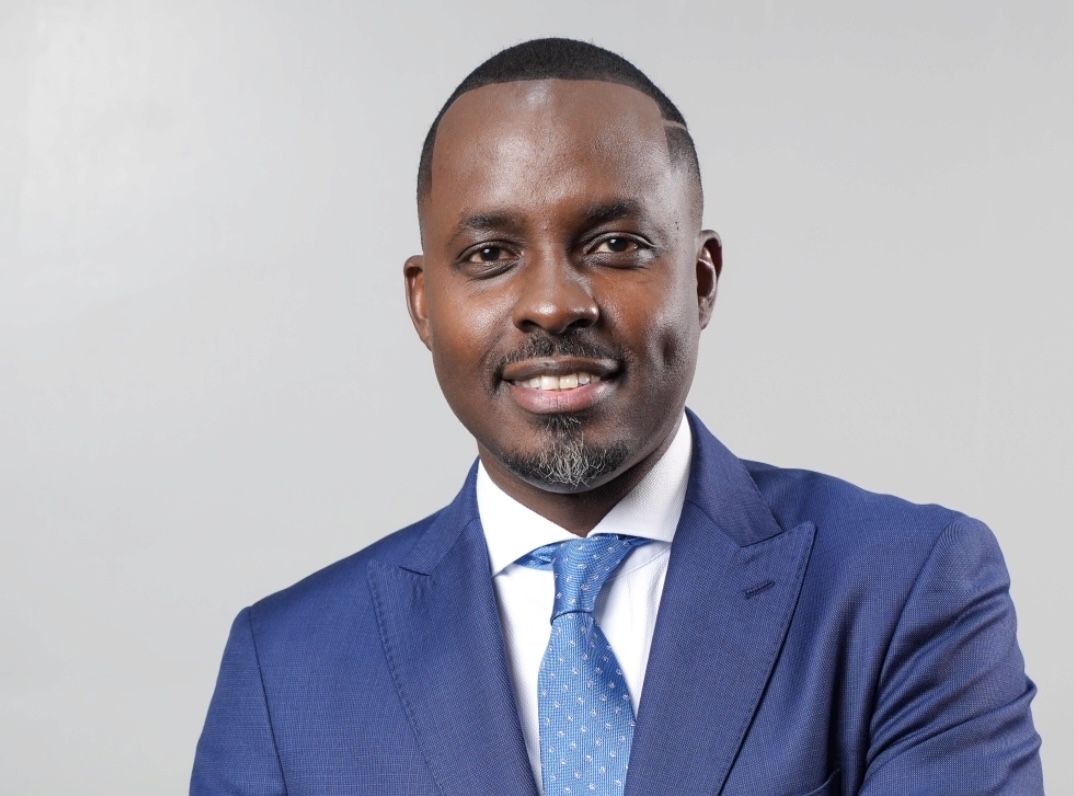
Kenya Electricity Generating Company (KenGen) has appointed Ronoh Kibet Charles as its next managing director and chief executive officer, setting up a leadership transition at the country’s largest power producer as it seeks to expand renewable energy capacity, grow its geothermal business across Africa and diversify revenue beyond electricity generation.
Kibet, currently KenGen’s general manager for commercial services, will assume office on 1 February 2027, succeeding Peter Waweru Njenga, who is retiring. The board announced the appointment on 24 October 2026 following a competitive recruitment process, with a transition period intended to support an orderly handover and continuity in the company’s strategic priorities.
The appointment comes as KenGen balances its established role in supplying electricity to Kenya with ambitions to commercialise its technical expertise, develop new energy-linked industries and expand its presence in regional markets. Kibet brings more than 17 years of experience at the company spanning geothermal development, project delivery and commercial strategy, including responsibilities for investments, energy markets, new business, partnerships, corporate communication and sustainability.

His appointment places commercial growth and operational performance at the centre of the next phase of KenGen’s strategy. The company reported a net profit of KSh10.48 billion for the financial year ended June 2025, a 54.2% increase from KSh6.80 billion in the previous year. Revenue remained broadly stable at approximately KSh56.1 billion, while the company attributed the improvement in profitability to operational efficiencies, cost optimisation and increased contributions from parts of its business.
Revenue diversification has also become more significant. KenGen reported substantial growth in revenue from non-traditional activities in 2025, supported in part by geothermal consultancy assignments, including work in Eswatini. These activities provide a potential additional source of income beyond electricity sales, although their long-term contribution will depend on securing contracts, delivering projects successfully and sustaining demand for the company’s technical services.
Kibet’s experience in commercial services places him close to this agenda. His responsibilities have included developing new business opportunities and partnerships, expanding international consultancy and advancing the Olkaria Green Energy Park, a planned industrial zone designed to attract businesses that can use geothermal energy and associated resources.
The park is intended to connect Kenya’s geothermal advantage with industrial development. By offering access to geothermal power, it could attract energy-intensive activities and support investment in manufacturing, logistics and other industrial operations. Its wider economic contribution will depend on the pace at which investors establish facilities, the availability of supporting infrastructure and whether the projects generate durable employment and domestic value addition.
KenGen’s installed generation capacity stands at 1,786 megawatts (MW), with more than 90% derived from renewable sources, principally hydropower, geothermal and wind. The company accounts for more than 60% of Kenya’s installed electricity generation capacity, making its investment decisions important to national electricity supply, system reliability and the country’s efforts to maintain a lower-carbon power mix.
Geothermal energy is particularly important to that position. Unlike solar and wind, which vary with weather conditions and time of day, geothermal plants can provide continuous electricity when their wells and generating equipment are operating effectively. Kenya has developed substantial geothermal resources in the Rift Valley, with KenGen operating major facilities in the Olkaria field. Continued development requires drilling, reservoir management, plant maintenance and investment in supporting infrastructure.
The company’s longer-term strategy includes expanding its geothermal capacity and pursuing a project pipeline that also covers solar and hydropower. KenGen’s 2025 reporting identified projects including the 63 MW Olkaria I rehabilitation, the 42.5 MW Seven Forks Solar Project and the Gogo hydropower upgrade. Delivering such projects will require effective capital allocation, construction management and coordination with other actors in Kenya’s electricity system.
For the incoming chief executive, the task will be to translate these investment plans into operational capacity while maintaining the financial performance needed to fund further development. The company must also manage the technical and financial risks associated with geothermal exploration, where drilling outcomes and reservoir conditions can affect project costs and timelines.
Regional expansion offers another route for growth. KenGen’s geothermal expertise has attracted interest from countries seeking to develop their own resources, including Tanzania, Ethiopia, Djibouti, Zambia and Eswatini. Its consultancy and drilling services can allow the company to earn revenue from technical work beyond Kenya’s borders, while contributing to the development of renewable electricity capacity in other African markets.
The opportunity is significant, but cross-border operations require KenGen to compete for contracts, manage project delivery in different regulatory environments and maintain the specialist workforce needed for exploration and drilling. The scale of the opportunity will depend on whether countries move from geothermal resource assessments and exploration towards bankable projects and operating plants.
Kibet’s commercial background could be relevant as the company seeks to strengthen partnerships and build a larger pipeline of international work. However, the success of diversification will be measured by sustained revenues and returns rather than the number of markets entered or projects announced. KenGen will need to ensure that new activities complement its core generation business and do not divert resources from maintaining reliable electricity supply.
His professional background combines engineering and management. Kibet holds a bachelor’s degree in telecommunication and information engineering and a master’s degree in project management from Jomo Kenyatta University of Agriculture and Technology. He is a certified Project Management Professional and has completed the Organisational Leadership programme at Harvard Business School, alongside executive education at IESE Business School in Spain, the University of Cape Town and Strathmore Business School. He is also a recipient of Kenya’s Order of the Grand Warrior.

Njenga’s departure follows a period in which KenGen reported improved profitability and expanded its commercial activities. The company’s financial results provide a starting point for the new leadership, but sustaining performance will depend on operational reliability, project delivery, the cost of financing and the ability to convert investment plans into productive assets.
KenGen’s decisions also sit within Kenya’s broader energy transition. The country needs reliable and competitively priced electricity to support industrialisation, economic growth and the expansion of businesses, while maintaining a power system increasingly supplied by renewable sources. Investment in geothermal, hydropower, wind and solar will remain important, alongside transmission and distribution infrastructure managed by other institutions in the sector.
For Kibet, the immediate priority will be to complete the leadership transition and maintain delivery across the company’s existing operations and projects. The longer-term challenge is to strengthen KenGen’s position as both a major electricity producer and a regional provider of geothermal expertise and energy-related services.
His appointment therefore marks more than a change at the top of a state-linked power company. It comes at a time when Kenya’s energy sector is looking to convert its renewable resource base into industrial competitiveness, regional business opportunities and stronger financial performance. Whether KenGen can achieve these ambitions will depend on how effectively its next leadership turns its generation assets, technical capabilities and commercial partnerships into sustained results.


