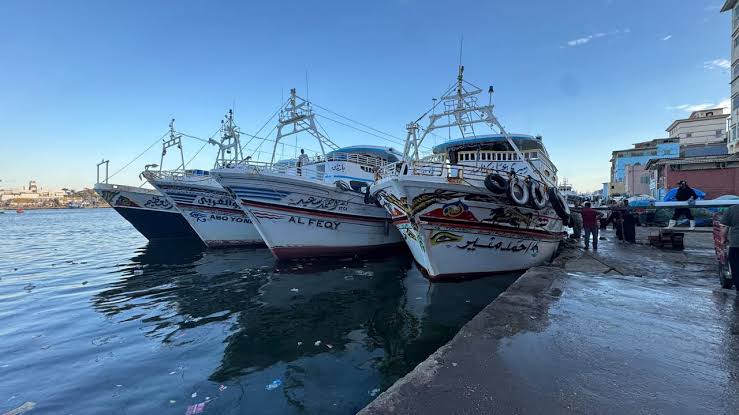
The General Fisheries Commission for the Mediterranean (GFCM) faces renewed pressure to strengthen vessel identification, monitoring and enforcement as governments meet in Rome from 26 to 30 October 2026, with the Med Sea Alliance warning that gaps in implementation continue to undermine efforts to combat illegal, unreported and unregulated (IUU) fishing and protect vulnerable marine ecosystems.
The alliance is urging the commission’s contracting parties and cooperating non-contracting parties to expand the use of permanent vessel identifiers, close outstanding gaps in satellite-based monitoring and establish clear consequences for non-compliance. It has also called for scrutiny of Morocco’s authorisation to harvest up to five tonnes of red coral off Al Hoceima, raising concerns about the scientific basis for the quota and the activity’s compatibility with the conservation objectives of Al Hoceima National Park.
The 49th GFCM session, convened by the Food and Agriculture Organization of the United Nations (FAO), brings together Mediterranean and Black Sea fisheries authorities to review regional management measures and determine priorities for implementation. The decisions taken will influence how participating governments monitor commercial fishing activity, assess compliance and protect marine resources shared across national boundaries.

Vessel identification is central to the alliance’s recommendations. The International Maritime Organization (IMO) number is a permanent identifier that remains with an eligible vessel throughout its working life, even when its name, flag or ownership changes. Unlike vessel names or registration details, which can change, a permanent number provides authorities with a consistent reference for checking a vessel’s history and tracking its activity across jurisdictions.
The GFCM has made progress towards wider use of these identifiers. According to the Med Sea Alliance, a 2026 pilot helped allocate IMO numbers to more than 200 eligible fishing vessels covered by the regional requirement for vessels measuring 20 metres and above operating outside waters under national jurisdiction. The alliance is calling for the next phase to require identifiers for all eligible vessels over 15 metres, including wooden vessels, with a subsequent extension to vessels over 12 metres.
It also wants the numbers incorporated into the GFCM Authorised Vessel List, allowing authorities and other relevant users to compare a vessel’s identity against the regional register of vessels permitted to operate. Such measures can make it more difficult for vessels to evade scrutiny by changing names or ownership details, although identifiers alone cannot establish whether a vessel has complied with fishing rules.
The need for stronger traceability is particularly relevant in a region where fishing activity crosses national boundaries and regulatory responsibilities are divided among coastal states, flag states and regional institutions. When vessel information is incomplete or inconsistent, authorities can face difficulties linking reported catches, fishing authorisations and monitoring records to the same vessel. Better identification can strengthen those checks, provided that national registries remain accurate and authorities use the information in enforcement decisions.
The alliance’s second priority is implementation of vessel monitoring systems (VMS). These systems use satellite-based technology to transmit information about a vessel’s position and movements to fisheries authorities, supporting surveillance and checks on whether fishing activity complies with applicable rules.
Under GFCM Recommendation GFCM/33/2009/7, commercial fishing vessels over 15 metres were subject to a regional VMS requirement with a December 2012 implementation deadline. The Med Sea Alliance argues that outstanding gaps remain and wants governments to establish clear timetables for bringing all vessels covered by existing obligations into compliance, with progress reported transparently.
VMS data can help authorities identify vessel movements, investigate potential incursions into restricted areas and compare activity with declared fishing operations. However, effective monitoring also depends on functioning equipment, reliable data transmission, trained personnel and the ability of authorities to investigate suspicious activity. Monitoring systems have limited deterrent value if missing transmissions or apparent breaches do not trigger appropriate follow-up.
Enforcement is the third major issue confronting the commission. The alliance says the GFCM Compliance Committee identified 42 cases of non-compliance at its 19th session, held in Rome from 15 to 17 September 2026, but left key decisions for the annual commission session. It is calling on members to determine what consequences should follow from the cases and to use the corrective measures already available under the regional framework.
The GFCM’s compliance mechanism reviews how contracting parties and cooperating non-contracting parties implement the commission’s recommendations. Its formal responsibilities include identifying potential non-compliance, seeking clarification from relevant parties and advising the commission on appropriate responses. Available measures can include corrective action, technical assistance and capacity-building, depending on the circumstances and the applicable rules.
The alliance is also seeking concrete, time-bound steps to complete the compliance mechanism by 2028. It wants assessments to cover both category B requirements, concerning data reporting, and category C requirements, relating to control and enforcement measures. The objective is to ensure that compliance reviews lead to measurable action rather than remaining a process of identifying shortcomings without resolving them.
The issue has implications beyond fisheries administration. Weak enforcement can disadvantage operators who invest in legal permits, monitoring equipment and compliant fishing practices. It can also compromise the reliability of catch information used to manage stocks and make it harder to determine whether harvesting levels are consistent with conservation objectives. For coastal communities dependent on fishing, the credibility of management rules is linked to the long-term availability of marine resources and the fairness of access to them.
A separate dispute over red coral harvesting in Morocco illustrates the importance of connecting authorisations with scientific evidence and spatial management. The Med Sea Alliance has questioned the decision to authorise a five-tonne red coral quota in the Toubou area off Al Hoceima during the 2026 season. The alliance says harvesting began before Morocco submitted the fishery management plan it considers necessary under the relevant GFCM requirements.
AZIR Association for Environmental Protection, a member of the Med Sea Alliance, has raised a further concern about the location of the authorised harvesting area. Mohamed Andaloussi, president of AZIR, said the coordinates specified in the authorisation appeared to place the exploitation zone within the marine protected area of Al Hoceima National Park. He argued that this could conflict with the park’s conservation objectives and its management plan for red coral protection.
These are concerns raised by the alliance and AZIR, rather than a definitive finding that the authorisation violates the park’s legal protections. Establishing whether the activity is compatible with the protected area’s boundaries and management rules requires examination of the official coordinates, the applicable zoning provisions and the scientific and legal basis for the authorisation.
Moroccan fisheries authorities have established rules governing red coral harvesting, including quotas, restrictions on fishing effort and seasonal controls. The country’s fisheries administration also identifies management plans and scientific monitoring as important components of coral management. The current dispute therefore centres not only on whether harvesting is authorised, but also on whether the specific quota and location are supported by the required evidence and comply with applicable conservation obligations.
Red coral is a slow-growing marine species, making harvesting decisions particularly sensitive to the condition of local populations and the time required for recovery. A quota sets a maximum permitted extraction level; it does not, by itself, demonstrate that the authorised volume is ecologically sustainable. That assessment requires scientific information on the resource, its distribution, the effects of previous harvesting and the capacity of the population to recover.

The Med Sea Alliance has called on Morocco to submit the fishery’s management plan and the scientific evidence underpinning the five-tonne quota. It has also asked for a transparent review of AZIR’s concerns about the harvesting zone. Such a review would help clarify whether the authorisation is consistent with the applicable management and conservation framework and give stakeholders a clearer basis for evaluating the decision.
For the GFCM, the case highlights the connection between regional rules and national implementation. Conservation measures depend on countries translating agreed commitments into licensing decisions, monitoring requirements and effective oversight. Where there are questions about the scientific basis of an authorisation or its compatibility with a protected area, transparent documentation and review can help establish whether the rules have been applied appropriately.
Speaking ahead of the annual session, Emily Tewes, IUU Project Manager at the Med Sea Alliance, said fisheries rules needed to be backed by effective monitoring and action when countries failed to comply. She described the meeting as an opportunity to address gaps that allow illegal fishing to continue and to protect marine ecosystems and fishers who follow the rules.
The outcome of the Rome meeting will be important in determining whether the commission moves from identifying implementation gaps to setting clearer expectations for action. Wider use of permanent vessel identifiers, full implementation of existing VMS obligations and a more defined response to non-compliance could strengthen regional oversight. In the Al Hoceima case, access to the management plan and supporting scientific evidence would help clarify the basis for the authorised red coral fishery.
Ultimately, the effectiveness of Mediterranean fisheries governance will depend on whether governments can demonstrate that agreed rules are implemented consistently and that breaches or unresolved concerns receive appropriate scrutiny. The challenge is not simply to adopt additional requirements, but to ensure that vessel information, scientific assessments and enforcement decisions work together to protect marine resources and sustain the communities that depend on them.