


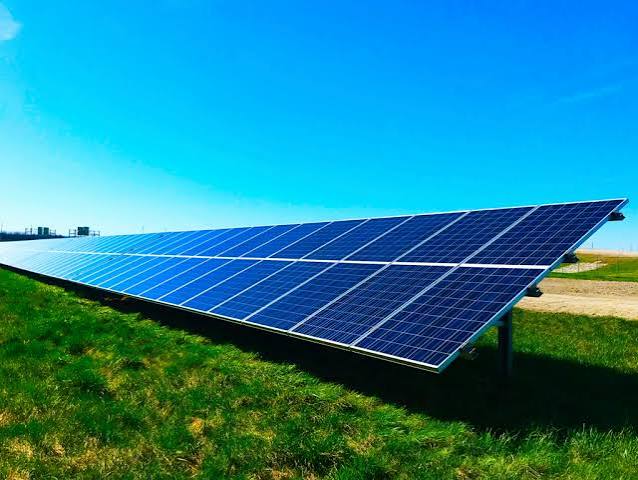
Nigerian clean energy company Vectar Energy Limited has listed its ecoWise Distributed Solar Programme on the Gold Standard Impact Registry, creating a framework for linking small-scale solar installations to voluntary carbon markets as developers seek additional financing to expand electricity access and reduce reliance on diesel generation. The programme, listed in September 2026, carries an estimated annual emissions reduction of 19,081 tonnes of carbon dioxide equivalent, according to registry data, although the listing does not mean that carbon credits have already been issued or sold.
The programme brings multiple solar activities under a common framework, including off-grid solar photovoltaic systems and installations intended to displace diesel-generated electricity. Its proposed crediting period runs from August 2025 to August 2040. The structure could allow separate installations to be developed under shared programme rules rather than requiring each project to establish an entirely independent carbon crediting framework.

The development comes as Nigeria continues to face a substantial gap between electricity demand and reliable supply. Households, small businesses and industrial operators often depend on petrol or diesel generators to maintain power when grid electricity is unavailable or insufficient. Distributed solar can reduce fuel expenditure and exposure to supply disruptions, but the initial cost of panels, batteries, inverters and installation remains a barrier for many consumers and businesses.
Carbon finance could provide an additional revenue stream for developers by assigning a financial value to emissions avoided when solar electricity replaces more carbon intensive power sources. For projects serving customers that cannot support high upfront costs, that revenue may help improve project economics or support wider deployment. Its contribution will depend, however, on the number of installations delivered, the costs of monitoring and verification, the price buyers are willing to pay for credits and the terms under which revenues are shared.
According to the programme’s registry record, the estimated emissions reductions are projections rather than a record of verified reductions already achieved. Under the Gold Standard system, the Impact Registry tracks projects through the certification process and records the issuance and subsequent transfer or retirement of credits. Listing is therefore an early stage in establishing a project’s carbon-market pathway, not evidence that the projected climate benefits have been realised.
That distinction matters in a carbon market where buyers increasingly scrutinise the credibility of emissions claims. For solar projects, developers need to demonstrate that the electricity supplied displaces a credible baseline source, such as diesel generation, and that the reductions are calculated using defensible assumptions. Reliable installation records, electricity generation data and monitoring systems will be important in determining the volume of credits that can eventually be issued.
For Nigeria’s distributed energy sector, the commercial challenge is to convert potential carbon revenues into financing that can be relied upon. Credit prices can fluctuate, projects may take time to complete certification requirements, and verification creates additional costs. If revenues are delayed or fall below expectations, developers may still face a funding gap between installation costs and what customers can afford to pay. Carbon credits are therefore more likely to complement established financing arrangements than replace them entirely.
The federal government is also pursuing broader efforts to expand electricity access through decentralised renewable energy. In January 2026, Nigeria’s Ministry of Power announced the Distributed Access through Renewable Energy Scale-up programme, backed by up to $750 million in support from the World Bank. The initiative is designed to expand distributed and off-grid renewable energy solutions for households, businesses and public institutions beyond the immediate reach of the national grid.
The government-backed programme and private sector carbon initiatives operate through different mechanisms, but both reflect the need to mobilise capital for electricity systems that extend beyond conventional grid infrastructure. Public and development finance can help reduce investment risks and improve affordability, while carbon revenues may provide an additional incentive for projects that can demonstrate measurable emissions reductions. Their effectiveness will depend on how well financing reaches viable installations and whether the resulting power services remain affordable and reliable.
The implications extend beyond household electricity access. Small businesses, Agro-processors, shops and service providers need dependable power to operate equipment, preserve products and manage operating costs. Solar installations can reduce exposure to diesel prices and supply interruptions, although their benefits depend on system size, battery capacity, maintenance and the suitability of the technology for each user’s energy needs. In rural areas, distributed systems can also serve customers for whom grid extension is costly or slow.
For investors, the programme highlights both the opportunity and the limits of using voluntary carbon markets to finance African energy infrastructure. Carbon revenues can strengthen a project’s financial case, but they do not eliminate currency risk, equipment costs, customer affordability constraints or uncertainty about future credit demand. Developers must still establish a sustainable business model, while buyers and regulators need confidence that the credits represent credible and independently verified emissions reductions.
The distribution of benefits will also be important. If carbon revenues support lower customer tariffs, expand access to solar systems or improve services for underserved communities, the programme could generate economic benefits alongside emissions reductions. Those outcomes cannot be assumed from a registry listing alone; they will depend on the programme’s design, deployment and reporting.

Vectar Energy’s ecoWise programme now has a public registry entry through which its progress can be tracked. The next test will be whether the developer can translate that status into operating installations, verified climate outcomes and carbon credit revenues that contribute meaningfully to project financing. For Nigeria and other African markets seeking to expand electricity access while reducing dependence on diesel, the wider lesson is that carbon finance may help close part of the funding gap, but its value will ultimately be determined by the reliability of the energy delivered and the credibility of the emissions reductions claimed.


