


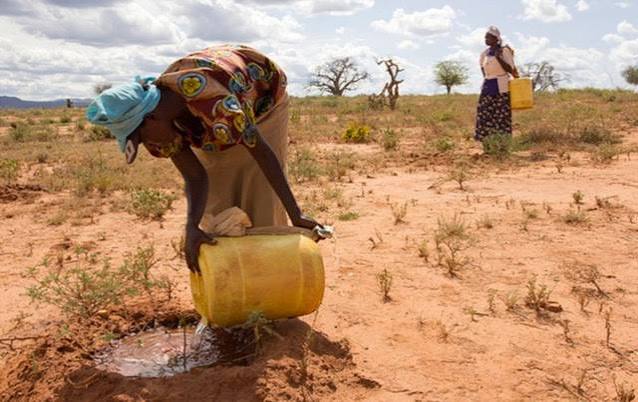
Climate change is increasingly threatening Africa’s food security beyond agricultural production, with droughts, heatwaves and floods disrupting storage, transport, processing and market access, experts warned at the 17th Africa Day for Food and Nutrition Security in Nairobi. The October 29 gathering called on governments to extend climate resilience investments across the entire food supply chain, as infrastructure failures and post harvest losses risk raising food prices, reducing household incomes and limiting access to nutritious diets.
The warning reflects a shift in the continent’s food security challenge. Even where farmers maintain production, the systems that move food from farms to consumers remain exposed to extreme weather. Heat can accelerate spoilage during transport, water shortages can interrupt processing, and floods can cut rural roads, preventing traders from reaching markets. The resulting losses affect farmers, processors, informal vendors and consumers, connecting climate vulnerability directly to household purchasing power and the cost of living.

Dr Wanjiru Kamau-Rutenberg, Managing Director for Africa at the Alliance of Bioversity International and CIAT, said production gains would not be sufficient if food could not be safely stored, transported, sold and accessed during climate shocks. According to reports by Talk Africa and The Star, she told the Nairobi gathering that resilience depended on protecting the systems between agricultural production and household consumption.
The implications are particularly significant for lower income households, which spend a larger proportion of their earnings on food and have limited capacity to absorb price increases. When supply disruptions reduce the availability of vegetables, cereals, dairy products and other nutritious foods, families may respond by purchasing cheaper alternatives, reducing portions or cutting spending on healthcare, education and energy. Such adjustments can deepen existing nutrition and economic vulnerabilities even when food remains available in markets.
The pressure also extends to informal traders, many of whom operate with limited working capital and without access to reliable cold storage. A delayed delivery or a day of extreme heat can damage perishable goods before they are sold, leaving traders with losses that reduce their ability to replenish stock. In neighbourhood markets where households purchase food in small quantities, these disruptions can affect both availability and affordability.
Justin Mabeya Machini, a Senior Research Associate at the Alliance, said resilient food systems required functioning markets, aggregation centres, processors, buyers, reliable infrastructure and access to information. Dr Henri Rueff, the Alliance’s Director of Climate Action and Principal Scientist, warned that drought could quickly become a wider challenge involving storage, transport, markets, food safety and nutrition.
The scale of food loss adds an economic dimension to the problem. The United Nations Food and Agriculture Organization estimates that 13.2% of food globally is lost between harvest and retail, while food loss and waste together account for about 8% to 10% of global greenhouse gas emissions. In Sub-Saharan Africa, inadequate storage, fragile post-harvest infrastructure and limited cold-chain capacity contribute to losses that reduce farmer revenue and increase the cost of delivering food to consumers.
These losses also represent wasted resources. Food that spoils before reaching consumers has already required land, water, energy, labour and other inputs. When climate shocks damage the supply chain, those resources generate less economic value, while farmers and traders may have to absorb the cost of replacing lost stock or repairing disrupted operations.
The consequences vary across commodities and markets. Cereals require protection from moisture and pests, while vegetables, fish and dairy products depend more heavily on temperature-controlled storage and timely transport. Water-intensive processing businesses can also face interruptions during drought, affecting the availability of products and the livelihoods of workers and suppliers. The resilience of food systems therefore depends on infrastructure suited to the different stages of production, handling and distribution.
Practical measures include hermetic storage bags that protect grains from moisture and pests, solar-powered cold rooms that extend the shelf life of perishable products, and improved climate information that allows farmers, traders and transporters to adjust operations. Feeder roads, drainage systems, warehouses and reliable water supplies can also help maintain market access during extreme weather.
However, the availability of these solutions does not guarantee their adoption. Small scale traders and farmers may lack the financing needed to purchase storage equipment, access refrigerated transport or invest in improved handling systems. Cold chain infrastructure also requires maintenance, reliable energy and sufficient market demand to remain commercially viable. Without financing models that accommodate smaller businesses, resilience investments risk concentrating around larger processors and established export corridors.
The African Union’s Comprehensive Africa Agriculture Development Programme strategy and action plan for 2026–2035 provides a policy framework for resilient and sustainable agrifood systems, investment and food and nutrition security. Its implementation will depend on how national governments translate these objectives into infrastructure and financing decisions, including support for rural roads, storage facilities, market water systems, early warning services and small business access to capital.
The financing implications extend to public budgets. Governments frequently face pressure to fund emergency food imports, disaster relief and infrastructure repairs after climate shocks. Investments that reduce food losses and maintain domestic supply could help limit some of those costs while protecting agricultural incomes and market activity. The fiscal benefits, however, will depend on project design, maintenance and whether infrastructure reaches the communities most exposed to disruptions.
The challenge is also regional. African food markets depend on cross border trade, transport corridors and shared supply networks, meaning disruptions in one producing area can affect prices and availability elsewhere. Where border delays, damaged roads or inconsistent market systems compound climate impacts, the cost of moving food can rise even when production remains adequate. Regional coordination and reliable trade infrastructure therefore form part of the continent’s food-resilience agenda.
For Kenya, the Nairobi discussions are relevant to a food system in which farmers, aggregators, processors and informal traders connect rural production to urban demand. Protecting that chain requires attention not only to agricultural productivity but also to the roads, storage, water and market facilities that determine whether food reaches consumers in good condition. The distribution of investment will matter: improvements serving remote producers and local markets may have different benefits from infrastructure designed primarily for large scale commercial exports.
The broader economic issue is whether climate adaptation can protect the value created by African agriculture before it is lost between the farm and the consumer. Production remains essential, but its contribution to food security depends on functioning supply chains, affordable transport, safe storage and markets that continue operating during extreme weather.

For households, the test of resilience is ultimately whether nutritious food remains available and affordable when climate shocks disrupt normal supply. For governments, it is whether climate and agricultural policies account for the full infrastructure system that connects production to consumption. The Nairobi meeting’s central message was that Africa’s food security depends not only on what farmers grow, but on whether the continent can preserve, move and deliver that food under increasingly unstable climate conditions.


