

Bpifrance Assurance Export has guaranteed a €187.1 million loan to finance a major electricity generation and transmission infrastructure project in Guinea, backing a €192 million contract awarded to French energy infrastructure group VINCI Energies as the country seeks to expand electricity supply and strengthen its power network.
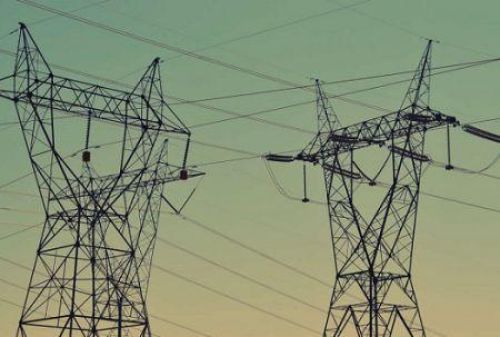
The guarantee, announced on 24 November 2026, covers a buyer-credit facility provided by an international banking consortium led by Deutsche Bank and Crédit Agricole CIB. The financing will support the construction of a 50 MWp solar power plant, 350 kilometres of 225-kilovolt transmission lines and two high-voltage substations.
The project is located in Kamissaya, within the Kindia prefecture, and forms part of Guinea’s efforts to expand renewable electricity generation and improve transmission capacity. VINCI Energies is responsible for the design and construction of the infrastructure under the contract, which was announced in April.

Bpifrance Assurance Export’s guarantee is designed to protect participating banks against borrower default risk, helping facilitate financing for large infrastructure projects in markets where perceived credit and country risks can influence lending terms and capital availability. The financing structure illustrates the role export-credit guarantees can play in mobilising commercial lending for infrastructure development. By reducing lenders’ exposure to specified risks, export-credit agencies can support financing arrangements that might otherwise face higher borrowing costs or more restrictive lending conditions.
For Guinea, the project combines renewable electricity generation with the expansion of transmission infrastructure, addressing two interconnected requirements in the development of its power sector. Additional generation capacity alone does not necessarily translate into wider electricity access without the networks required to transport and distribute electricity to consumers.
The 50 MWp solar plant will be constructed on an 80-hectare site in Kamissaya, alongside the transmission lines and substations intended to strengthen the electricity network. The programme is aligned with Guinea’s stated ambitions to expand electricity access, increase renewable energy generation and strengthen energy sovereignty.
According to Bpifrance Assurance Export, construction is expected to take approximately two and a half years and mobilise more than 600 workers. The project will also incorporate training and skills-transfer programmes for Guinean personnel, providing a workforce-development component alongside the infrastructure investment.
The development is expected to improve electricity supply for communities along the energy corridor linking Linsan to Dabola, with the project placing particular emphasis on extending benefits to populations living along the route. The infrastructure investment comes against a backdrop of financing constraints affecting energy projects across African markets. In its 2023 report, Financing Clean Energy in Africa, the International Energy Agency highlighted the comparatively high cost of capital facing clean energy projects on the continent, noting that financing costs for large-scale clean energy generation can be two to three times higher than in advanced economies and China.
These financing conditions can influence project economics, electricity tariffs, investment decisions and the pace at which infrastructure developments reach financial close and construction. Guarantees and other risk-mitigation instruments are therefore increasingly relevant in structuring financing for energy projects, particularly where commercial lenders face heightened exposure to sovereign, regulatory or payment-related risks.
Guinea is also entering a period of heightened economic activity as the Simandou iron ore development moves towards export operations. The country’s Simandou 2040 development programme identifies infrastructure, energy, industry, agriculture and human capital among its broader economic transformation priorities.
The World Bank forecasts average annual economic growth of 9% for Guinea between 2026 and 2028, reflecting expectations of increased economic activity linked to emerging investment and mineral exports. The expansion of electricity infrastructure will be an important consideration as industrial activity, infrastructure development and associated demand for power potentially increase.
The financing arrangement also reflects growing engagement between French companies and Guinea around the country’s development priorities. In March 2026, Bpifrance led a delegation of approximately 50 French companies to Conakry to explore opportunities associated with the Simandou 2040 development programme.

The solar and transmission project is among the infrastructure investments that could contribute to improving electricity supply capacity as Guinea seeks to accommodate economic expansion and strengthen access to electricity.
While the financing guarantee supports the project’s funding structure, the longer-term impact will depend on construction delivery, transmission network integration, operational performance and the extent to which additional electricity capacity translates into reliable supply for households, businesses and industrial users.
The development combines renewable generation, grid infrastructure, commercial financing and workforce training within a single programme, positioning it as a significant electricity infrastructure investment in Guinea’s ongoing efforts to expand power supply and support economic development.