


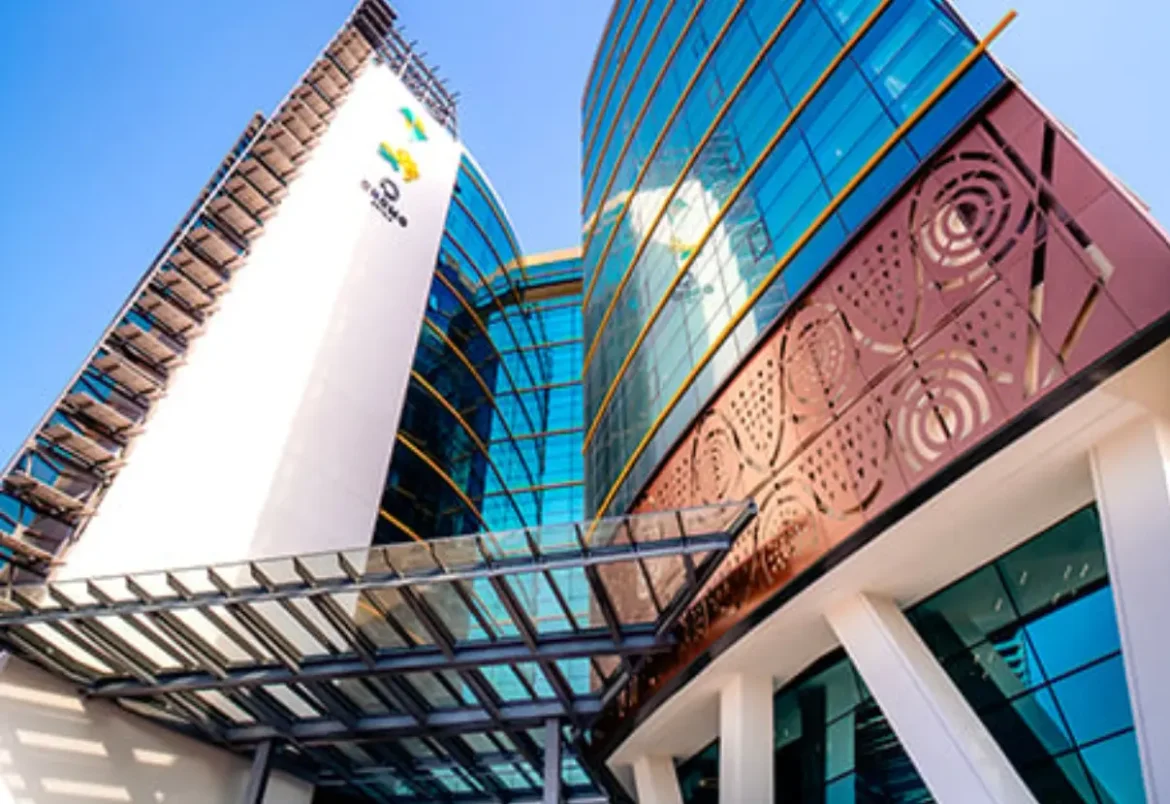
The Africa Energy Bank is preparing to begin operations in September after Nigeria completed its obligations as host nation, marking a significant step towards establishing a continental financial institution designed to lower the cost of capital for Africa’s oil, gas and refining industries. The bank aims to address one of the sector’s most persistent structural constraints: financing costs that industry leaders say remain three to four times higher than those faced by competing projects in Asia.
Headquartered in Abuja and jointly backed by the African Petroleum Producers’ Organisation (APPO) and the African Export-Import Bank (Afreximbank), the institution is being established to finance projects that international lenders have increasingly avoided as global capital shifts towards lower-carbon investments. While the headquarters building was officially handed over by the Nigerian government in February 2026, governance arrangements, shareholder subscriptions and board appointments remain under completion before lending activities commence.
According to APPO Secretary General Farid Ghezali, financing costs for African energy infrastructure typically range between 15% and 20%, compared with between 4% and 6% in Asia. The higher cost of capital has delayed or prevented the development of more than 150 projects across the continent, including refinery investments, gas pipelines and liquefied natural gas infrastructure. The financing gap has become increasingly pronounced as many international commercial banks, export credit agencies and institutional investors have reduced exposure to fossil fuel projects in response to climate commitments and evolving environmental, social and governance (ESG) standards.
The Africa Energy Bank seeks to fill part of that financing gap by mobilising African capital for projects considered strategically important to the continent’s economic development. The institution plans to finance between 20 and 30 major projects by 2030, with approximately 40% of its lending portfolio expected to support natural gas infrastructure. According to APPO, gas is viewed as a transitional fuel capable of improving electricity access, supporting industrialisation and reducing dependence on more carbon-intensive energy sources while African economies continue expanding renewable energy capacity.
The strategy reflects Africa’s complex energy transition, where governments continue to balance climate commitments against the need to expand electricity access, industrial output and economic growth. Although the continent contributes only a small share of global greenhouse gas emissions, it remains home to significant oil and natural gas reserves. APPO estimates that Africa holds approximately 120 billion barrels of proven oil reserves and around 18 trillion cubic metres of natural gas. Yet despite these resources, the continent imports more than 60% of its refined petroleum products because of limited domestic refining capacity.
That dependence has important economic consequences. Exporting crude oil while importing refined fuels exposes African economies to volatile international markets, foreign exchange pressures and supply disruptions. According to APPO, retaining greater value through domestic refining and processing could prevent an estimated US$15 billion in annual economic losses while strengthening energy security and supporting industrial development.
The bank’s financing priorities therefore extend beyond upstream oil production towards midstream and downstream infrastructure, including pipelines, liquefied natural gas facilities, storage terminals and refineries. APPO estimates Africa will require approximately US$200 billion in investment across these sectors by 2030 and has set an initial lending target of US$15 billion within the bank’s first three years of operation. Industry projections suggest the institution could eventually grow into one of Africa’s largest specialised development finance institutions, with assets potentially exceeding US$120 billion over the medium term.
Capital mobilisation remains central to the bank’s establishment. The planned share capital totals US$5 billion, to be subscribed over three years, with US$1.5 billion allocated among APPO’s member states. Nigeria, Angola, Ghana and Senegal have already fulfilled their initial commitments, while several other producing countries have pledged participation. Afreximbank has separately approved a US$1.75 billion investment, reinforcing its broader strategy of strengthening African financial institutions capable of supporting regional industrialisation.
For Africa’s sustainable development agenda, the initiative illustrates the increasingly complex relationship between climate finance and energy security. Global efforts to decarbonise have accelerated investment in renewable energy while simultaneously reducing financing available for conventional hydrocarbon projects. African governments have consistently argued that the continent’s transition pathway must reflect domestic development realities, particularly where natural gas can support electricity generation, manufacturing and economic diversification alongside expanding renewable energy systems.
The debate also extends to ESG frameworks, which continue evolving to incorporate concepts of energy justice, economic inclusion and development priorities. Increasingly, investors and policymakers are distinguishing between long-term expansion of carbon-intensive infrastructure and investments that improve energy access, reduce imported fuel dependence and strengthen resilience while supporting national transition strategies.
 The Africa Energy Bank enters this landscape at a time when African governments are seeking greater control over financing decisions affecting strategic infrastructure. Its success will depend not only on capital mobilisation but also on governance standards, project selection and the institution’s ability to demonstrate that commercially viable investments can align with broader economic transformation and responsible environmental management.
If lending begins as scheduled, the bank will enter operation ahead of a period of renewed investor engagement across the continent’s energy sector. Whether it succeeds in lowering borrowing costs and unlocking stalled projects may become an important test of Africa’s growing ambition to finance more of its own development priorities while navigating an increasingly complex global energy transition.


