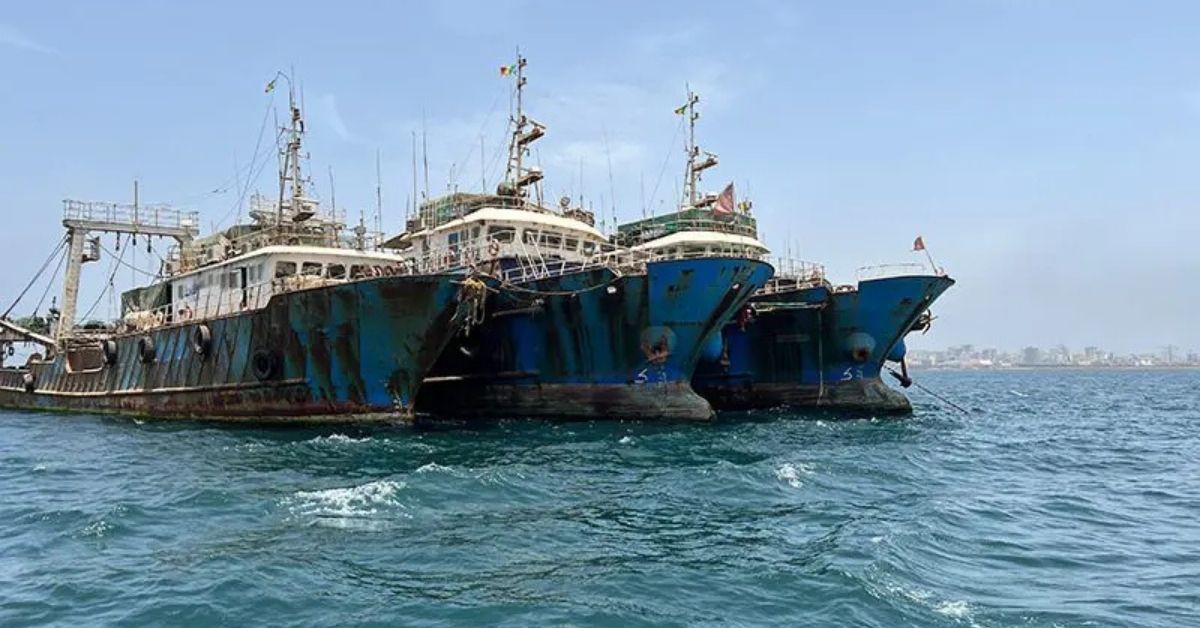

Industrial bottom trawling is undermining food security in coastal regions despite boosting global seafood supply, according to a newly released international study that links the practice to declining fish stocks, rising household costs and weakening local livelihoods across several developing economies, including Kenya and Ghana.
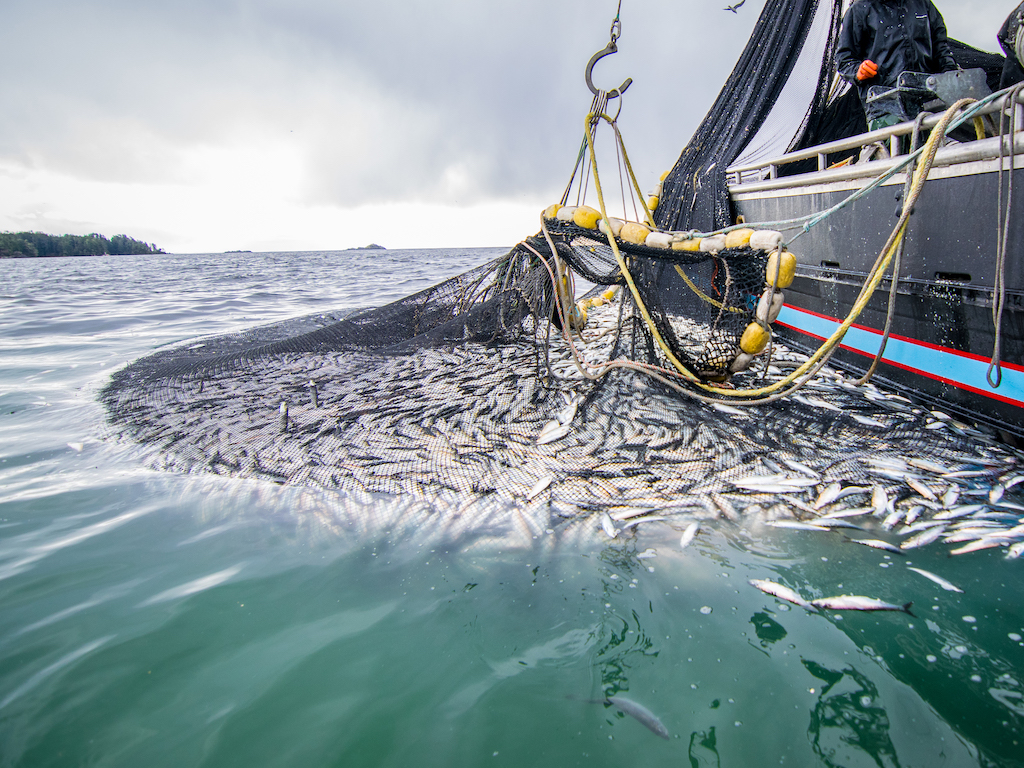
The report, published in March by the Transform Bottom Trawling Coalition, examines nine case studies across the Global South and concludes that while bottom trawling remains a significant contributor to global seafood production, its economic benefits often bypass the coastal communities most dependent on fish for daily nutrition and income.
Instead, the study finds that industrial fleets frequently redirect catches toward export markets or animal feed supply chains, reducing the availability and affordability of locally consumed species.
According to the research, bottom trawling currently accounts for roughly 26% of global marine fisheries catches and is widely viewed as a cornerstone of the modern ocean economy. Yet the same industrial efficiency that supports large-scale supply chains can generate structural trade-offs at the local level, particularly where governance systems struggle to balance commercial production with food security and livelihood protection.
The study frames these tensions as an “efficiency paradox,” noting that high-volume production does not automatically translate into improved nutrition outcomes. In many coastal regions, the report finds that aggregate fish production has increased even as access to affordable fish has declined among low-income households that rely on artisanal fisheries.
Read also: Africa’s first land-based Coral Spawning lab records breakthrough in Seychelles
Evidence from Kenya illustrates how these dynamics are unfolding in practice. In Ungwana Bay, the country’s primary industrial prawn fishing zone, industrial trawling has operated alongside small-scale fisheries for decades, creating persistent conflicts over access to fishing grounds and marine resources.
The Kenya case study notes that trawlers operating near shore have damaged artisanal fishing gear and disrupted fragile marine habitats, contributing to reduced catch volumes and declining market supply for coastal communities.
These pressures have direct economic consequences. Interviews conducted with local fishers indicate that declining nearshore catches have increased operational costs, forcing artisanal crews to travel further offshore in search of fish, often beyond the reach of smaller vessels. The resulting decline in supply has tightened household food budgets and weakened informal distribution networks that traditionally supported vulnerable families and elderly community members.
A similar pattern is emerging in West Africa. The Ghana case study highlights how industrial trawling has intensified competition for small pelagic fish species, such as sardines and anchovies, that form the backbone of local diets.
Although national law restricts foreign ownership of trawlers, the study estimates that roughly 90% of Ghana’s industrial fleet is effectively controlled by foreign companies through financial leasing arrangements, raising questions about domestic regulatory oversight and revenue retention.

Declining fish availability has reshaped local markets. According to the Ghana research, reduced artisanal landings have pushed many women fish processors into debt cycles as they purchase lower-quality bycatch from industrial vessels to maintain their businesses.
The shift has also disrupted traditional food-sharing systems, forcing households to rely more heavily on imported protein sources or cheaper substitutes with lower nutritional value.
The study suggests that these trends carry broader fiscal and development implications. Fisheries contribute significantly to employment, export earnings and food supply in many African economies, yet the sector’s long-term sustainability depends on maintaining healthy marine ecosystems and stable local markets.
Where fish stocks decline or supply chains become export-oriented, governments face rising pressure to subsidise imports, support coastal livelihoods or expand social protection programmes, placing additional strain on public finances.
Governance capacity emerges as a decisive factor in determining outcomes. The report points to Brazil as an example where strict enforcement of spatial fishing restrictions helped restore fish stocks and stabilise local food supply after the introduction of a 12-nautical-mile exclusion zone for industrial trawlers.
By contrast, regions with weak monitoring systems, such as parts of East Africa and South Asia, continue to experience routine violations of fishing limits and persistent resource depletion.
The research also highlights the uneven social impacts of industrial fishing expansion. Women account for an estimated 40% to 50% of workers in fisheries value chains globally, particularly in processing and trading activities.
Changes in landing locations and distribution channels can therefore translate into immediate income losses and reduced household food security, especially in communities with limited alternative employment opportunities.
Read also: Guinea-Bissau bans fish meal production to protect regional marine stocks
Environmental risks add another layer of complexity. Bottom trawling is widely recognised as one of the most significant sources of physical disturbance to seabed habitats, flattening coral structures and resuspending sediments that support fish breeding grounds.
These ecological disruptions can reduce long-term fish productivity, increasing the vulnerability of coastal economies to climate-related shocks and resource scarcity.
The report concludes that addressing these challenges requires stronger integration between fisheries management and national food security strategies.
In many countries, responsibility for marine resource regulation sits within fisheries ministries, while nutrition and food policy are handled by agriculture or social welfare agencies. This institutional separation can lead to policy decisions that prioritise export revenue or production targets without fully accounting for local food system impacts.
For African economies with long coastlines and rapidly growing populations, the stakes are increasingly economic as well as environmental. Fish remains one of the most accessible and affordable sources of protein across much of the continent, and disruptions to supply chains can quickly translate into higher food prices, reduced dietary diversity and rising fiscal pressure on governments tasked with maintaining food security.
The findings suggest that the central policy question is shifting from how much fish is produced to how it is distributed, consumed and governed.
Without stronger enforcement of fishing regulations and clearer alignment between industrial activity and domestic food needs, the report warns that global seafood expansion could continue to generate revenue while quietly eroding the nutritional foundations of coastal economies.
Engage with us on LinkedIn: Africa Sustainability Matters