
Brazil has intensified calls for governments to submit their updated national climate commitments ahead of a September deadline, warning that delays could undermine preparations for Cop30, scheduled for November in Belém.
As of this week, only 28 countries have delivered their revised Nationally Determined Contributions (NDCs) to the UN. These submissions are essential for the UN’s upcoming synthesis report, which will measure progress against the Paris Agreement target of holding global warming to 1.5C. Major emitters, including China and the European Union, have yet to file.
Among the 28 early submissions are several African states—Zimbabwe, Botswana, and Lesotho. Their inclusion highlights both the uneven pace of global responses and Africa’s determination to remain engaged despite financial and technical constraints that slow progress in many other countries.

On Tuesday, André Corrêa do Lago, Brazil’s veteran climate diplomat and president-designate of Cop30, issued a letter urging governments to deliver ambitious rather than symbolic pledges. He stressed that weak commitments would shift the burden onto negotiations in November. “Our NDCs represent the vision of our shared future,” he wrote. “If the image shown by NDCs turns out disappointing, it is our collective responsibility to convert it into a picture that will ensure a livable planet and protect all economies.”
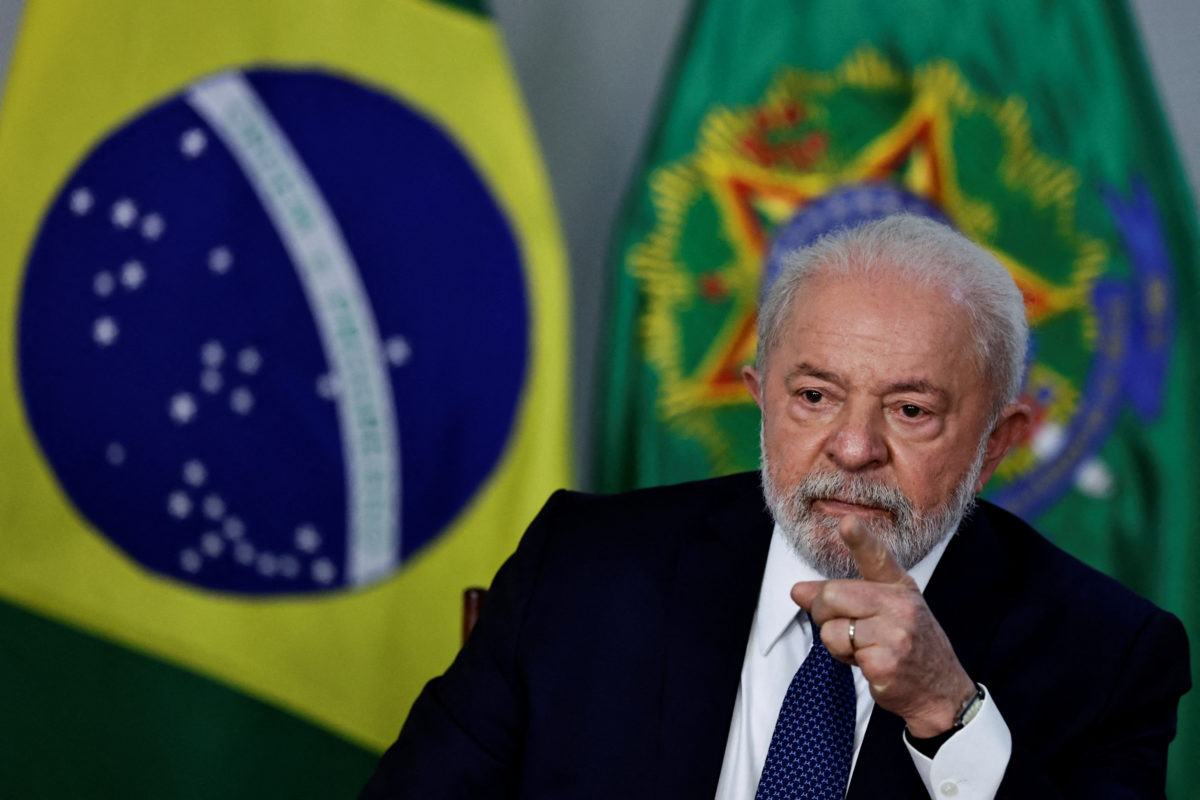
Brazil’s President Luiz Inácio Lula da Silva has also stepped up personal diplomacy, holding a call with Chinese leader Xi Jinping last week to stress the importance of China’s contribution. Do Lago later said he was confident China would publish a robust plan before the September deadline.
Read also: Japan commits $2.5 million to strengthen climate resilience in South Sudan
In an effort to reduce the risk of deadlock at Cop30, Brazil has scheduled an unusual consultation meeting for 25 September in New York, alongside the UN General Assembly. A follow-up meeting is planned for 15 October. These early sessions are intended to address outstanding issues and prevent the procedural disputes that have stalled previous climate talks.
Brazil’s role as host has not been without difficulties. Cop30 will be held in Belém, a city of fewer than 20,000 hotel rooms but expected to welcome 50,000 delegates, leaders, and observers. The government has leased two cruise ships to expand accommodation and set up a platform for residents to rent homes, but prices remain steep, often $400 to $1,000 per night, raising concerns that smaller delegations, particularly from vulnerable countries, could be priced out of participation. Civil society groups and media organisations have already warned of reduced access. Ana Toni, chief executive of Cop30, acknowledged the challenge but said room prices are beginning to fall.

The presidency has also revised its stance on the summit agenda. Initially, Brazil planned to keep NDCs off the negotiation table, assuming they would be settled beforehand. But mounting pressure from other countries has led to their inclusion. Do Lago explained that the shift was necessary to build confidence: “Some issues that the public expect more discussion on at Cop were not included in the agenda. We want to ensure that concerns raised by stakeholders are dealt with transparently.”
The broader geopolitical backdrop adds further strain. U.S. President Donald Trump has withdrawn from the Paris Agreement, while his recent warm reception of Vladimir Putin has strengthened fossil fuel interests. Combined with the war in Ukraine, these dynamics have complicated global consensus.
Read also: U.S. tariffs deal heavy blow to Lesotho’s textile industry, leaving thousands jobless
For Africa, the stakes at Cop30 are high. The continent contributes little to global emissions but remains acutely vulnerable to climate shocks. Early submissions from Zimbabwe, Botswana, and Lesotho demonstrate commitment, yet most African governments are still finalising their plans. Many are constrained by limited technical capacity and financing, which makes the strength of major economies’ commitments, and the flow of promised climate finance, decisive for African participation and resilience.
With six weeks to go before the UN deadline, Brazil’s call underscores a central test for global climate diplomacy: whether governments can deliver credible climate plans in time to give Cop30 a solid foundation, or whether the summit will once again be dominated by unfinished business and mistrust.

Engage with us on LinkedIn: Africa Sustainability Matters