


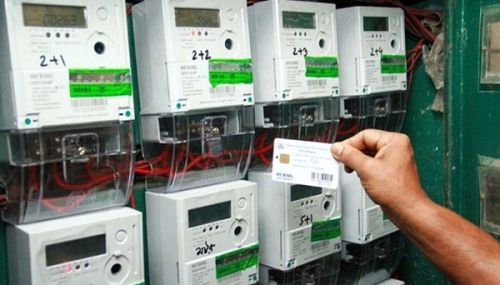
The European Bank for Reconstruction and Development (EBRD) has approved a loan of up to US$10 million to support the digital transformation of Nigeria’s electricity distribution sector, financing the deployment of smart meters and artificial intelligence-powered grid management systems designed to reduce technical losses, improve revenue collection and strengthen electricity service delivery. The financing, approved by the Bank’s Board in early July, will support Beacon Power Services Nigeria Limited and its U.S. parent company as they modernise operations across six of Nigeria’s eleven electricity distribution companies (DisCos), marking another step in the country’s efforts to improve one of Africa’s most challenged power distribution networks.
The investment comes at a critical time for Nigeria’s electricity sector, where inefficient distribution infrastructure continues to undermine economic productivity despite years of reforms aimed at expanding generation capacity and encouraging private sector participation. According to project documents reviewed by Ecofin Agency, the overall initiative is valued at US$20.9 million, with the EBRD loan complemented by US$7.5 million in parallel financing and additional equity contributions from project sponsors.
Although the identities of the participating distribution companies have not been disclosed, the project will introduce advanced digital technologies that enable utilities to monitor electricity flows more accurately, manage customer accounts more efficiently, streamline payment systems and use artificial intelligence to predict equipment failures before outages occur. The deployment of smart metering infrastructure is also expected to improve data accuracy while reducing commercial losses associated with electricity theft, inaccurate billing and inefficient network management.
For Nigeria, the project represents more than a technology upgrade. It reflects the growing recognition that strengthening electricity distribution has become as important as expanding power generation in achieving reliable and affordable energy access.
According to the International Energy Agency (IEA) and the Tracking SDG7: The Energy Progress Report 2026, more than 80 million Nigerians remained without access to electricity in 2024, giving the country the world’s largest electricity access deficit. While investments in generation capacity have increased over the past decade, weaknesses in transmission and distribution infrastructure continue to constrain the delivery of electricity to households and businesses.
Nigeria’s electricity distribution companies have long struggled with high aggregate technical, commercial and collection (ATC&C) losses. These losses arise from ageing infrastructure, illegal electricity connections, inaccurate metering, weak revenue collection systems and operational inefficiencies. According to the World Bank, improving the financial sustainability of distribution companies remains one of the most significant prerequisites for achieving reliable electricity supply across the country.
Beacon Power Services has positioned itself as one of Africa’s emerging energy technology firms focused on addressing these structural challenges through digital innovation. Speaking to Radio France Internationale (RFI) in November 2024, Beacon founder Bimbola Adisa said the company’s technology solutions had reduced electricity losses from approximately 35% to 20% across projects implemented in Nigeria and Ghana. He also reported that electricity utilities using Beacon’s digital systems in Ghana had recorded revenue increases approaching 70%, demonstrating the potential financial impact of improved network visibility and customer management.
The EBRD-backed investment seeks to expand those capabilities across a larger segment of Nigeria’s electricity distribution market. Artificial intelligence is increasingly becoming an important tool within electricity systems globally. Utilities now use machine learning algorithms to analyse consumption patterns, detect energy theft, forecast equipment failures, optimise maintenance schedules and improve demand forecasting. Combined with smart metering infrastructure, AI enables electricity providers to make operational decisions using real-time network data rather than relying on manual inspections or delayed reporting systems. According to the International Renewable Energy Agency (IRENA), digitalisation has become an essential component of modern electricity systems, particularly as countries integrate more distributed renewable energy sources, electric mobility and decentralised generation into national grids.
For Nigeria, digital transformation also has broader implications for economic development. Reliable electricity remains one of the country’s most significant constraints to industrial growth. Manufacturing firms, hospitals, schools, telecommunications providers and small businesses continue to rely heavily on diesel and petrol generators because of inconsistent public electricity supply. According to the World Bank, unreliable electricity costs Nigeria billions of dollars annually in lost productivity, increased operating costs and constrained private sector investment.
Reducing distribution losses could therefore improve the financial position of electricity distributors while enabling greater investment in network maintenance, customer service and infrastructure expansion. The project aligns with ongoing reforms within Nigeria’s electricity sector following the enactment of the Electricity Act 2023, which decentralised electricity regulation by allowing states to develop independent electricity markets and attract greater private investment into generation, transmission and distribution infrastructure.
Digital solutions such as those provided by Beacon may become increasingly important as state-level electricity markets emerge and utilities seek more efficient methods of managing expanding customer bases. The investment also reflects growing international confidence in African energy technology companies capable of developing locally relevant digital solutions. Rather than importing generic utility software designed for mature electricity markets, African technology firms increasingly develop systems tailored to the operational realities of electricity networks characterised by intermittent supply, limited customer data, informal settlements and rapidly growing urban populations.
According to the African Development Bank (AfDB), digital innovation will play a central role in achieving universal electricity access while improving the financial viability of electricity utilities across the continent. The EBRD financing further illustrates how development finance institutions are increasingly supporting technology-driven infrastructure improvements rather than focusing exclusively on physical assets such as transmission lines, substations or power plants.
This reflects an evolving understanding that digital infrastructure has become equally important for improving utility performance and expanding access to modern energy services.The project may also contribute to Nigeria’s broader climate and sustainability objectives. Improving grid efficiency reduces unnecessary electricity losses, enabling existing generation capacity to serve more consumers without additional fuel consumption. More efficient electricity networks also facilitate greater integration of renewable energy resources by improving system monitoring and operational flexibility. According to the United Nations Sustainable Development Goal 7, achieving universal access to affordable, reliable, sustainable and modern energy requires not only expanding electricity generation but also improving the efficiency, resilience and financial sustainability of electricity systems.
As Africa’s largest economy continues addressing one of the world’s most significant electricity access challenges, investments that combine digital innovation with infrastructure modernisation are likely to become increasingly important.For Nigeria, the success of Beacon’s deployment will ultimately be measured not simply by the number of smart meters installed or algorithms deployed, but by tangible improvements in electricity reliability, reduced losses, stronger utility finances and expanded access to affordable power for households and businesses.
For the wider African energy sector, the project offers another example of how technology, finance and local innovation are converging to address longstanding infrastructure constraints. As utilities across the continent confront rising electricity demand, growing urbanisation and ambitious energy transition goals, digital transformation is increasingly emerging as a strategic necessity rather than an operational upgrade.


