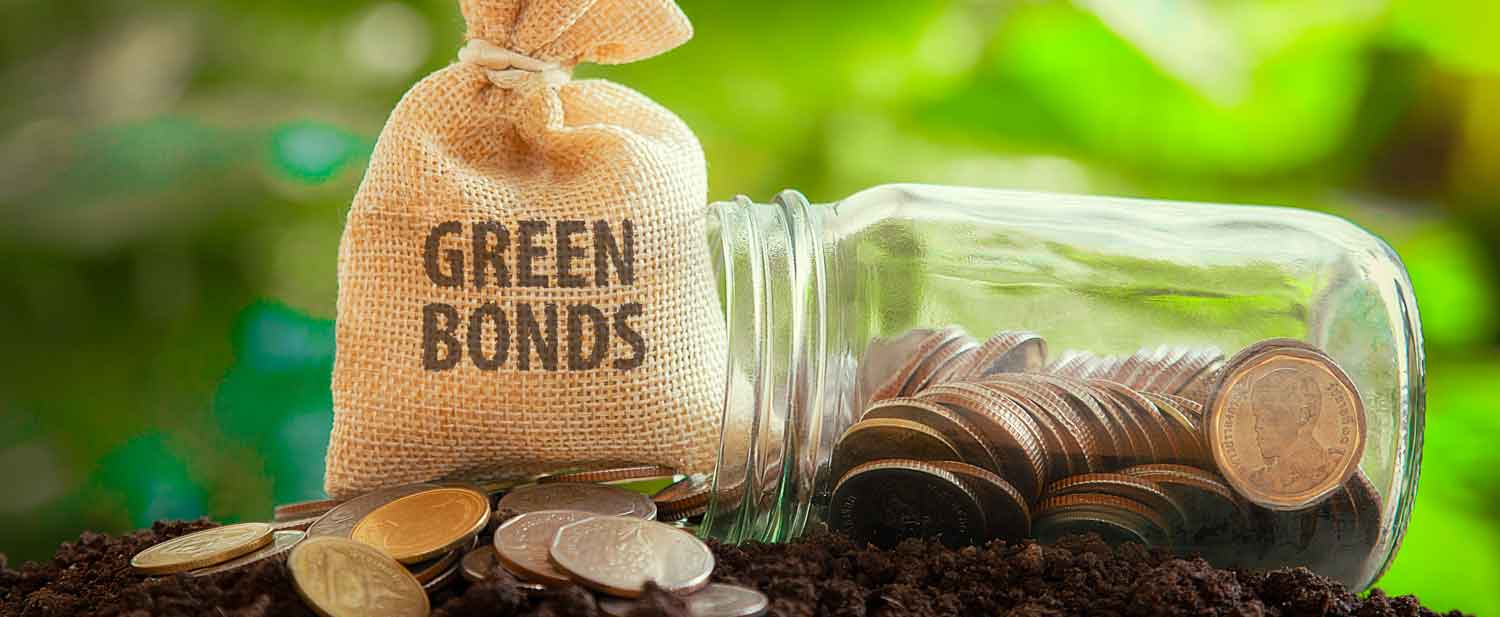

Egypt has secured €688 million, about $750 million, in green bond financing to support its Climate Change Strategy 2050, marking one of the largest climate-linked funding moves by an African country in recent years.
The financing, mobilized through the Global Green Bond Initiative with backing from the European Investment Bank and the United Nations Development Programme, was confirmed in a government climate action report reviewed in early January 2026.
The funds are intended to support climate adaptation and emissions reduction projects across the country, with officials projecting cuts of up to 10 million tones of carbon dioxide equivalent and direct resilience benefits for an estimated 8.3 million people.
Read also: EU prepares new recycled plastic import rules for 2026 to protect domestic recycling industry
The announcement comes as Egypt faces mounting climate pressures that are increasingly visible in daily life. Rising temperatures are straining electricity demand, prolonged heatwaves are affecting labour productivity, and water scarcity is sharpening competition between agriculture, cities and industry.
Against this backdrop, the green bond financing is not positioned as a symbolic climate gesture, but as part of a longer effort to secure predictable, long-term funding for projects that can withstand these stresses while keeping economic growth on track.
According to the report, the Ministry of Environment, acting as Egypt’s national authority to the Green Climate Fund, played a central role in structuring the deal. The financing is designed to strengthen the country’s climate finance architecture, including how projects are identified, financed and monitored.

A significant share of the funding is directed towards adaptation, reflecting the reality that for Egypt, and much of Africa, the costs of climate change are already being paid. In coastal areas, sea-level rise threatens infrastructure and tourism assets. Inland, extreme heat and erratic rainfall are affecting crop yields in a country that already imports more than half of its staple grains.
The green bond mobilization is unfolding alongside other capital flows aimed at expanding Egypt’s climate investment pipeline. The report highlights approval by the Green Climate Fund of a $200 million Novastar Investment Fund, complemented by a $50 million equity allocation focused on climate technology. These investments are intended to attract private capital into sectors such as renewable energy, climate-smart agriculture and resilient infrastructure, moving beyond donor-funded pilot projects toward commercially viable scale.
Read also: Egypt launches Sharm El-Sheikh Sustainable Development Strategy to advance green urban growth
For African markets, where climate finance remains heavily skewed toward grants and concessional loans, Egypt’s approach signals a push to blend public and private money in ways global investors recognize.
Egypt’s financing drive has also been accompanied by active engagement in international climate negotiations. In November 2025, the country was represecnted at the UN climate conference in Belém, Brazil, where discussions centered on scaling up climate finance, strengthening adaptation commitments and improving transparency.
Egyptian officials participated in coordination across African, Arab and developing country blocs, reinforcing the country’s role as a regional voice on climate finance and development priorities.
At home, the government has been working to align policy commitments with emerging global reporting standards. The final draft of Egypt’s third Nationally Determined Contribution has been completed, sharpening targets on emissions and adaptation. The country has also finalized its first biennial transparency report and its fourth national communication, documents that are increasingly scrutinized by lenders and investors assessing climate risk and credibility.

A national monitoring, reporting and verification system is being developed with support from the World Bank and German development agencies, aimed at improving data quality and project tracking.
Institutional capacity remains a central challenge across Africa, and Egypt’s report points to efforts to address this gap. Eighteen ministries and public entities now have dedicated climate units, supported by training programs intended to integrate climate considerations into budgeting, infrastructure planning and sector policy. Technical work continues in areas such as refrigerant management and workforce training, with regional programs that include engineers and technicians from other African countries.
Read also: Tunisia commissions 120MW Kairouan Solar Plant in major boost to energy security
Taken together, the €688 million green bond financing reflects a broader shift in how climate action is being financed and governed in Africa’s largest economies. Rather than relying solely on external pledges, Egypt is building domestic systems that can absorb large-scale capital, meet international disclosure expectations and translate climate strategy into projects on the ground.
For a continent where annual climate finance needs are estimated in the hundreds of billions of dollars, the deal offers a practical example of how policy, finance and implementation are starting to converge.
Engage with us on LinkedIn: Africa Sustainability Matters
Engage with us on LinkedIn: Africa Sustainability Matters