
On December 15, 2025, senior executives, conservation scientists, government officials and financiers met in Arusha, northern Tanzania, to examine how a tourism economy built almost entirely on natural assets can continue to grow without degrading the ecosystems that support it.
The meeting, convened by the Tanzania CEO Roundtable in partnership with the International Union for Conservation of Nature, focused on how nature-based solutions can be integrated into tourism operations and investment decisions as part of the sector’s core economic planning, rather than treated as a separate environmental concern.
Tourism accounts for close to 17 percent of Tanzania’s gross domestic product and supports more than 1.5 million jobs directly and indirectly, according to government data and World Travel and Tourism Council estimates.
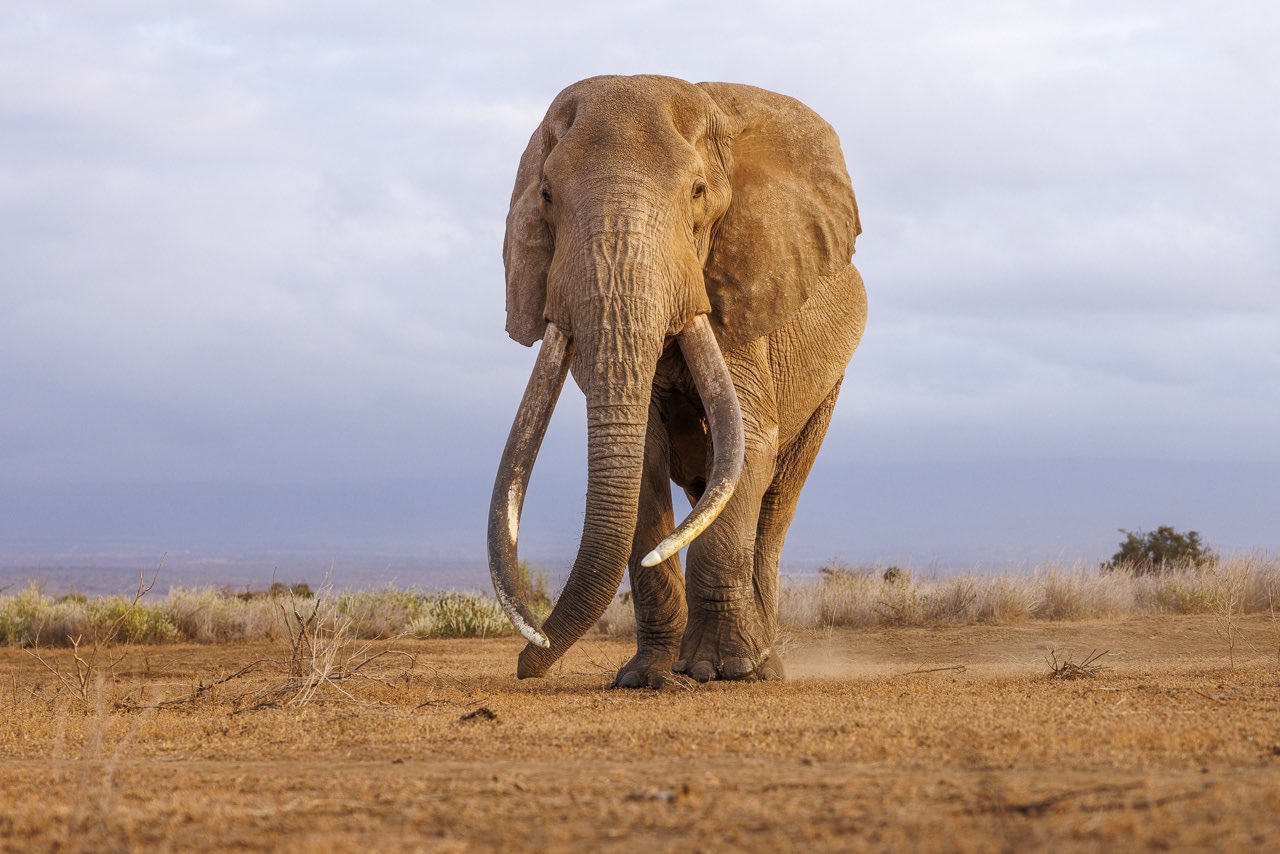
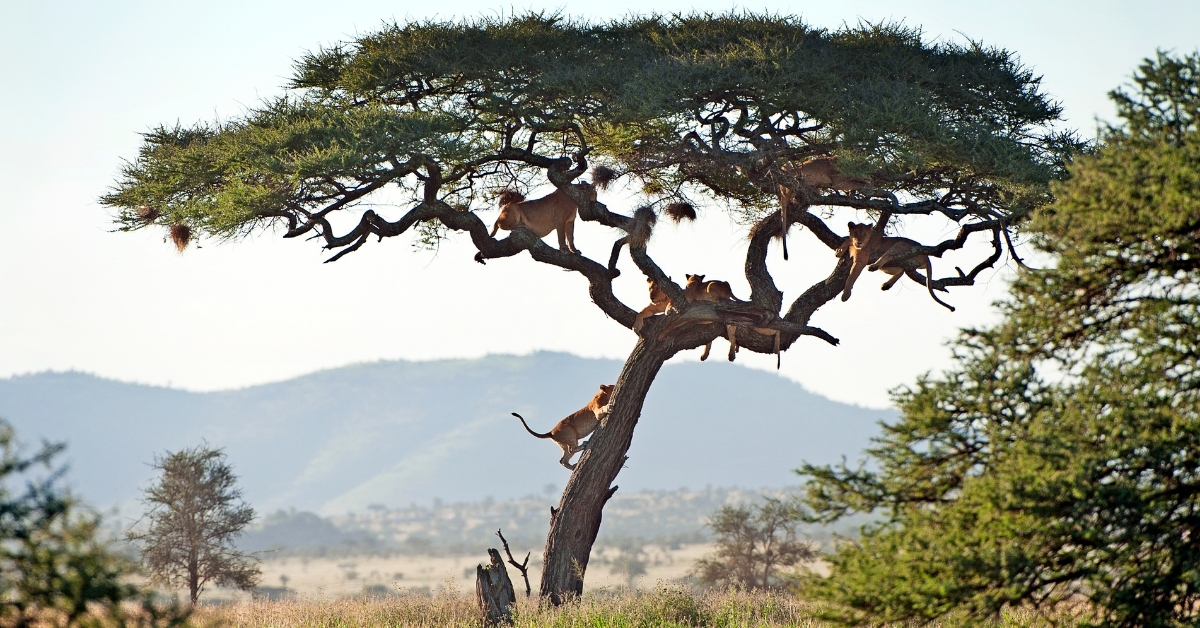
Visitors come largely for wildlife reserves such as Serengeti and Ruaha, forests on Mount Kilimanjaro, and the coral reefs, mangroves and beaches along the Indian Ocean coast. This reliance on natural landscapes places Tanzania in a position shared by many African destinations, where tourism revenue is closely tied to ecosystems that are increasingly exposed to drought, flooding, warming seas and competing land use.
Discussions in Arusha centered on nature-based solutions as practical interventions that rely on functioning ecosystems to reduce environmental and economic risk. In tourism, this includes restoring degraded wildlife corridors, protecting watersheds that supply water to lodges and surrounding communities, and rehabilitating mangroves that shield coastal infrastructure from erosion and storm damage while storing carbon.
For Tanzania, these measures are closely linked to maintaining destination quality and managing long-term operating costs in a sector sensitive to environmental decline.

Evidence of strain is already visible. Irregular rainfall over the past decade has affected migration patterns in parts of the Serengeti ecosystem, while extended dry periods have intensified competition for water between tourism facilities, wildlife and nearby settlements. Along the coast, the loss of mangrove cover over several decades has reduced natural protection against erosion and flooding, placing beachfront hotels and supporting infrastructure at greater risk.
Comparable pressures are evident across the continent, where cyclones have damaged coastal tourism sites in Mozambique and Madagascar, and prolonged droughts in southern Africa have reduced wildlife sightings, affecting lodge occupancy and revenue.
Participants examined how ecosystem protection could translate into economic stability at local and national levels. Restoring landscapes along wildlife corridors can reduce human–wildlife conflict, a recurring challenge in northern Tanzania where agricultural expansion intersects with migratory routes.
Community-managed conservation areas now cover more than 7 million hectares nationwide and generate shared revenues that support schools, health services and local infrastructure. When linked directly to tourism operators through concessions or joint ventures, these arrangements create financial incentives for communities to maintain habitats rather than convert land for short-term use.
Coastal ecosystems featured prominently because of their direct financial relevance to tourism. Mangroves and coral reefs support fisheries that supply hotels and serve as natural barriers against storm surges. Research across East Africa indicates that intact mangrove systems can reduce wave energy by as much as 60 percent during extreme weather events.
As insurance costs rise and climate-related damage becomes harder to cover, such ecosystems function as protective infrastructure for tourism investments. Blue carbon initiatives tied to mangrove conservation were also discussed as emerging revenue sources, building on early projects in countries such as Kenya and Senegal.
Attention also turned to agriculture, which supplies much of the tourism sector but is rarely included in sustainability planning. Hotels and lodges depend on steady food supplies, yet conventional farming methods contribute to soil degradation and water stress.
Pilot projects in Tanzania and Rwanda using regenerative practices have recorded yield stability gains of 20 to 30 percent over time while reducing reliance on chemical inputs. For tourism businesses, sourcing from these systems can help manage supply risks and support rural economies that depend indirectly on visitor spending.

Infrastructure standards were another focus. Energy-efficient buildings, solar power systems, water recycling and improved waste management are increasingly common in high-end lodges across Africa. Operators using these systems report lower long-term operating costs and stronger demand from environmentally conscious travelers.
In Tanzania, where access to electricity and water varies significantly by region, incorporating such standards into new developments could reduce pressure on public utilities while keeping the country competitive with destinations such as Botswana and Namibia, which have promoted low-impact tourism models for years.
The meeting also highlighted obstacles. Financing remains a major constraint, as nature-based projects often require substantial upfront investment while returns accrue over longer periods. Many small and medium-sized tourism enterprises lack access to affordable long-term capital, and existing green finance instruments remain fragmented.
Read also: How CITES’ new online courses could change Wildlife trade enforcement in Africa
Coordination between conservation agencies, tourism authorities, financial institutions and local governments was identified as another challenge, with overlapping mandates and limited technical capacity slowing implementation.
These issues reflect broader continental patterns. Africa receives less than 5 percent of global climate finance despite hosting ecosystems central to biodiversity and climate regulation. For tourism-dependent economies, the task of protecting natural assets coincides with the need to maintain foreign exchange earnings and employment.
Within this context, the Tanzania CEO Roundtable–IUCN collaboration positions the private sector as a link between conservation objectives and investment frameworks, seeking to align policy, finance and on-the-ground implementation.
The discussions in Arusha underscored that for many African countries, the sustainability of tourism is inseparable from the condition of the landscapes that attract visitors. With tourism generating more than US$169 billion annually across Africa and supporting roughly one in ten jobs, the management of natural capital is increasingly a matter of economic planning as much as environmental protection.
Engage with us on LinkedIn: Africa Sustainability Matters
Engage with us on LinkedIn: Africa Sustainability Matters