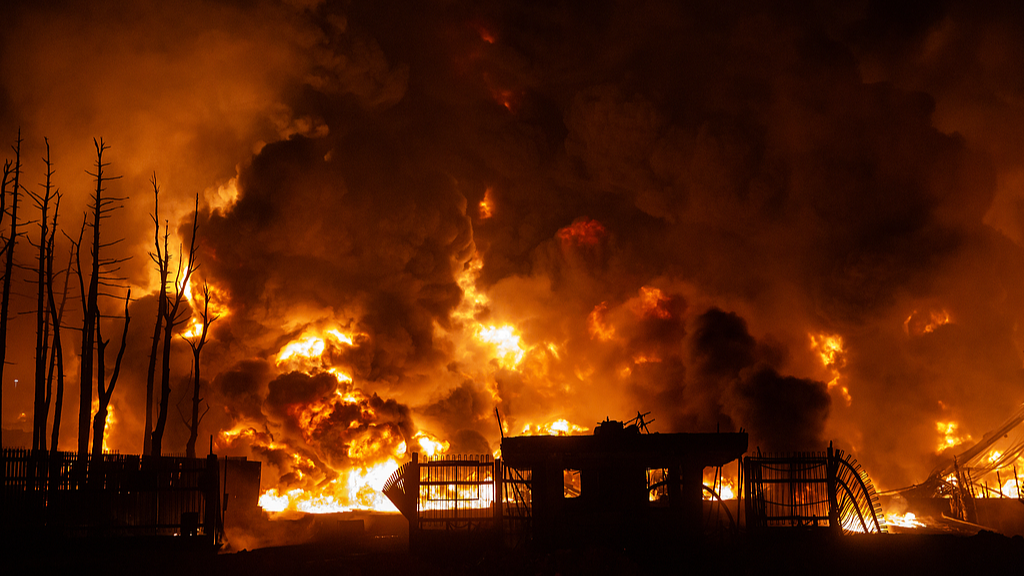

The global energy market is once again tumbling following the latest conflict to break out in the Middle East between Iran, Israel, and the USA, which has spilled over into the neighboring Gulf countries. The war has had an immediate impact on the energy sector across the world reflected in rising prices that could exceed $100 per barrel.
Attacks on energy infrastructure and shipping route disruptions, particularly in the Strait of Hormuz which ferries about 20% of global oil and liquefied natural gas (LNG) trade, have left the global energy market increasingly volatile.
Essential technology supply chains have also been affected, with potential implications for renewable energy prospects. While for much of the world such geopolitical shocks mean higher fuel prices and market uncertainty, for many African economies the consequences run deeper.
The crisis has exposed a structural vulnerability in how the continent’s energy systems are positioned within global markets. These disruptions reinforce the need to strengthen domestic energy security through increased renewable energy deployment and intra-African energy trade.
Many African countries remain heavily susceptible to fluctuations in global oil markets despite possessing abundant domestic energy resources. Countries such as Ethiopia, Ghana, Kenya, Senegal, and South Africa import significant volumes of refined petroleum products due to limited or inadequate local refining capacity.
As global oil prices rise, electricity generation costs increase in systems that still rely on thermal power plants, putting pressure on government subsidies and raising the risk of higher tariffs for consumers.
Similarly, countries without adequate storage facilities face imminent fuel shortages and increasing transportation costs. Fuel price hikes have already been reported in Nigeria and Uganda, while authorities in Ghana, Kenya, and South Africa have issued warnings of impending price increases due to the ongoing conflict.
While the impacts are more visible and immediately felt in the oil and gas sector, renewable energy is no exception. Africa relies heavily on imports for its renewable energy technologies and their key components, such as solar panels and batteries. Much of this equipment is manufactured in Asia and shipped through maritime routes that are now experiencing heightened security risks.
The Red Sea, Suez Canal, and the Bab el-Mandeb Strait, though not completely shut down, remain vulnerable to threats from Houthi forces in Yemen following the US-Israel strikes on Iran. This has reduced traffic and increased shipping times as several shipping companies have rerouted their vessels around the Cape of Good Hope. These longer routes increase freight costs, insurance premiums, and delivery times. For African renewable energy projects, this translates into higher capital costs and delays in implementation.
The current crisis highlights a broader political economy challenge. Africa’s energy vulnerability is not only a consequence of resource scarcity. It reflects the way energy systems on the continent have historically been integrated into global markets as suppliers of raw materials and consumers of finished products (fuels and technologies).
The ongoing conflict has once again exposed the precarity of the global oil market and Africa’s particular vulnerability to market volatility and supply chain disruptions, reinforcing the need for charting homegrown pathways for energy security. The immediate impact of the conflict on the oil and gas sector underscores the resilience of clean energy to global market fluctuations and its potential as a better alternative for energy security.
African governments must, therefore, accelerate domestic renewable energy deployment, and find ways to make it less dependent on imports. It is critical to develop regional clean energy manufacturing capabilities to chart a truly resilient path to a secure energy future. Tax incentives and industrial policy support would significantly advance local production of solar panels, batteries, and inverters.
While not every country can host full manufacturing ecosystems, regional specialization under frameworks such as the African Continental Free Trade Area (AfCFTA) could allow production to scale across multiple markets, while also minimizing the risk of supply chain disruptions.
Regional energy integration will also be essential. Expanding cross-border electricity trade through power pools such as West, Southern, and Eastern Africa can reduce electricity generation costs and improve system reliability. The Kenya-Ethiopia Electricity Highway, which enables Kenya to import hydropower from Ethiopia, demonstrates the potential benefits of regional coordination.
The ongoing conflict in the Middle East not only exposes Sub-Saharan Africa’s energy security challenge but also highlights a broader structural issue. The dependence on fossil fuels amidst an abundance of renewable energy resources makes the continent highly vulnerable to global geopolitical shocks because of its dependence on imported fuel and technologies.
Effective regulatory frameworks, reduced bureaucratic barriers, and a stronger intra-African energy transition efforts are crucial to developing a stable policy environment that would attract investments for long-term energy security.
The views expressed in this article are those of the authors and do not necessarily reflect the views of the United Nations University.
Engage with us on LinkedIn: Africa Sustainability Matters