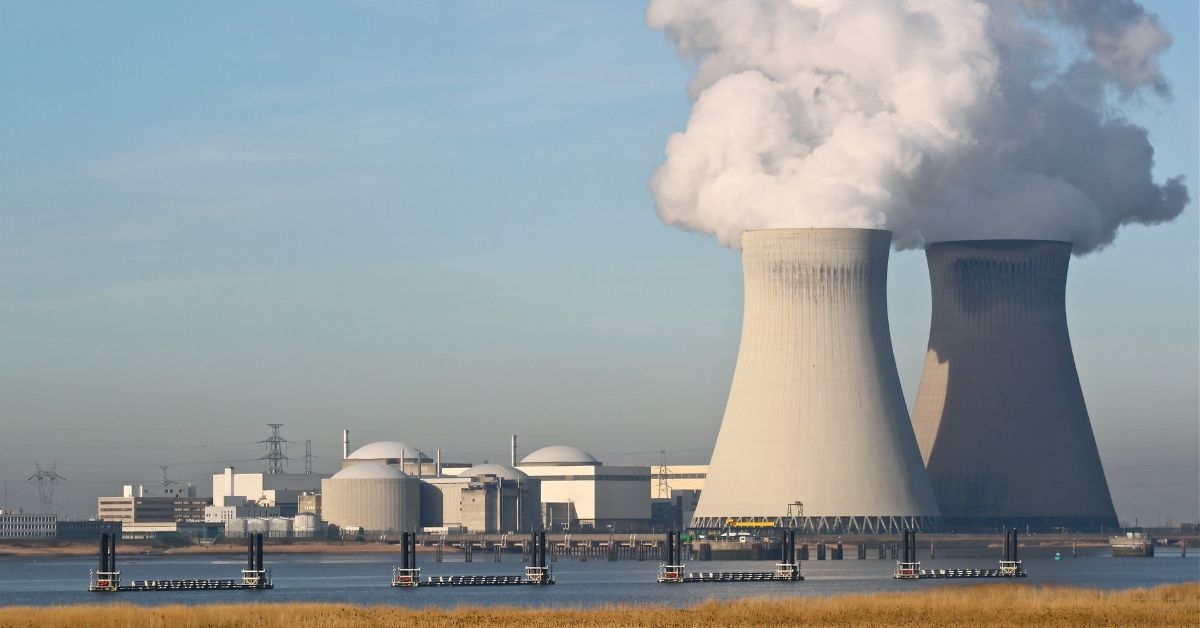

Kenya is moving closer to establishing its first nuclear power station, with the government confirming plans to begin construction of a two-gigawatt (GW) facility in Siaya County in March 2027 following high-level consultations between national energy agencies and county authorities.
The project, estimated at about Sh500 billion ($3.8 billion), marks a significant step in the country’s effort to secure reliable baseload electricity and support long-term industrial growth as demand for power rises alongside industrialisation and urban expansion.
President William Ruto has positioned nuclear energy as part of Kenya’s long-term strategy to expand electricity generation capacity and support industrialisation, signalling that the project is intended to anchor future economic growth rather than serve as a short-term infrastructure intervention. The initiative reflects a broader shift in national energy planning toward long-duration infrastructure capable of stabilising supply while supporting new sectors such as manufacturing, digital services and electric mobility.
At the centre of the programme is the gradual construction of institutional capacity rather than physical infrastructure alone. Kenya’s approach follows the International Atomic Energy Agency (IAEA) Milestones framework, which requires countries to demonstrate regulatory readiness, technical competence, financing strategies and public engagement before construction begins. State-owned Kenya Electricity Generating Company (KenGen) was confirmed as the planned owner-operator of nuclear plant.
Justus Wabuyabo, Chief Executive Officer of the Nuclear Power and Energy Agency (NuPEA), told delegates at the International Conference on Nuclear Energy 2026 (ICoNE 2026) in Nairobi that Kenya is currently in Phase Two of the International Atomic Energy Agency (IAEA) Milestones Approach, which guides countries through structured nuclear programme development. “This phase marks our commitment to establishing a safe, secure and sustainable nuclear power programme. The project aims to boost Kenya’s electricity generation capacity using clean, low-carbon energy sources. It will add dependable power, create jobs, develop skills, and reduce CO₂ emissions,” Wabuyabo explained.
For Kenya, the economic rationale for nuclear power is closely tied to the structural realities of its electricity system. Demand for power has grown steadily over the past decade, driven by manufacturing expansion, electrification programmes and the emergence of energy-intensive sectors such as data centres and mineral processing.
While the country has built a strong renewable energy base, particularly in geothermal, wind and hydropower, these sources remain exposed to seasonal variability and transmission constraints. Nuclear power is expected to provide stable baseload electricity capable of supporting large-scale industrial development while complementing Kenya’s growing renewable energy portfolio, a combination increasingly viewed as necessary to manage rising demand linked to urbanisation and economic diversification.

The economic footprint of the project is expected to extend beyond electricity supply. Government estimates indicate that construction of the plant could generate approximately 10,000 jobs across engineering, construction and logistics, while long-term operations are projected to create more than 1,000 specialised technical positions in plant operations, maintenance and safety management.
Once operational, the facility is expected to add roughly 2,000 megawatts of generation capacity, significantly strengthening grid stability and supporting energy-intensive sectors such as steel manufacturing, cement production and digital infrastructure.
The financial implications of nuclear energy are equally significant. Nuclear plants require high upfront capital investment, often running into billions of dollars, but they typically operate for 60 years or more, providing predictable electricity costs over time. For governments, this creates complex financing decisions that affect public debt management, tariff structures and long-term fiscal planning.
Read also: IEA World Energy Outlook 2025: What soaring electricity demand means for Africa’s energy future
According to energy economists, the success of nuclear programmes in emerging markets depends not only on engineering capability but also on the strength of procurement systems, regulatory independence and transparent financing arrangements.
Kenya’s regulators have therefore prioritised international oversight and peer review mechanisms as part of their readiness strategy. Independent regulatory institutions are essential for licensing, safety enforcement and environmental monitoring throughout the plant’s lifespan.
The Kenya Nuclear Regulatory Authority has undergone multiple external assessments to test its preparedness, including the IAEA’s Integrated Regulatory Review Service (IRRS) and International Physical Protection Advisory Service (IPPAS), to assess Kenya’s readiness for a nuclear programme – reflecting a recognition that public trust in safety governance is a central determinant of project viability.
Public acceptance remains one of the most critical variables in the project’s trajectory. Previous reporting by Africa Sustainability Matters documented community resistance and ecological concerns associated with potential nuclear sites, particularly around land acquisition, environmental risk management and emergency preparedness planning.
That reporting underscored the importance of sustained stakeholder engagement and transparent risk communication in communities likely to host major infrastructure projects. The experience illustrates a broader lesson for infrastructure development across Africa: technical readiness alone does not guarantee social acceptance or project continuity.
Beyond national considerations, the Siaya project illustrates broader trends across Africa, where countries such as South Africa, Egypt, and Nigeria are exploring nuclear options as a means of closing persistent electricity supply gaps while meeting climate commitments and supporting industrial growth. Countries with advanced or emerging nuclear programmes are increasingly viewing nuclear energy as part of long-term energy security planning, particularly in economies seeking to expand electricity supply without increasing dependence on imported fossil fuels.
From a climate and infrastructure planning perspective, nuclear power introduces both opportunities and long-term responsibilities. While it provides a low-carbon source of electricity capable of supporting economic expansion, it also requires sustained investment in waste management systems, emergency response capacity and regulatory oversight. These obligations extend well beyond the construction phase, making nuclear development as much a governance and institutional challenge as an engineering one.

Infrastructure planning considerations are already shaping the broader economic implications of the Siaya project. Large nuclear plants require extensive transmission networks, cooling water supply systems and specialised workforce training programmes. These secondary investments can stimulate regional economic activity, including construction, logistics and technical education, but they also place additional demands on public budgets and institutional coordination.
Officials overseeing the programme have consistently emphasised that nuclear development is a long-term national undertaking rather than a rapid infrastructure project. The process requires sustained collaboration between government agencies, utilities, regulators, financiers and international partners over several decades. The immediate priority remains ensuring that governance systems, technical capacity and regulatory frameworks are robust enough to support safe operations before final investment and construction decisions are fully executed.
Engage with us on LinkedIn: Africa Sustainability Matters