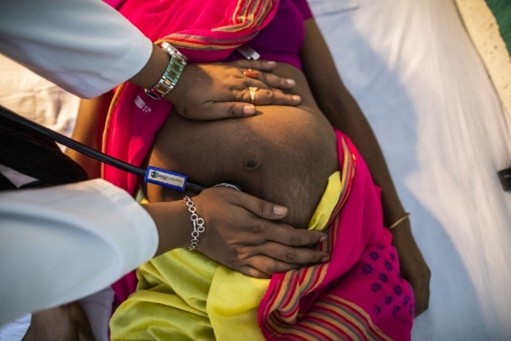

Kenya has taken a significant step in global health by becoming one of the first countries to implement a large-scale, coordinated initiative aimed at reducing child mortality. Backed by a KSh 11 billion funding program from Jhpiego, the country is strengthening its commitment to improving newborn and child health while advancing the global United Nations Sustainable Development Goals (SDGs).
The initiative focuses on improving maternal and newborn healthcare services, strengthening health systems, and ensuring access to life-saving interventions across the country.
Despite progress over the years, child mortality remains a pressing issue in Kenya. Current data shows that the country loses approximately 21 babies per 1,000 live births, with neonatal deaths accounting for a significant proportion.
Reports further indicate that up to four newborns die every hour, highlighting the urgency of targeted interventions to address preventable causes such as infections, birth complications, and inadequate neonatal care. These figures reflect ongoing gaps in access to quality maternal and child healthcare, particularly in underserved regions.
The KSh 11 billion funding from Jhpiego is expected to support critical interventions including improving access to skilled birth attendance, enhancing neonatal intensive care services, training healthcare workers in maternal and child health, strengthening community health systems, and expanding access to essential medicines and medical technologies. This investment represents one of the most substantial targeted efforts in Kenya’s recent history to combat newborn and child deaths and improve survival outcomes.
The initiative directly contributes to the achievement of Sustainable Development Goal 3, which seeks to ensure healthy lives and promote well-being for all ages. A key target under this goal is to reduce neonatal mortality to at least 12 deaths per 1,000 live births by 2030.
Read also: Gender Based Violence in Kenya: How a national crisis is undermining Social Sustainability
By prioritizing maternal and child health, Kenya is aligning its national healthcare strategies with global commitments and reinforcing its role as a leader in Sub-Saharan Africa’s efforts to reduce preventable child deaths.
Kenya’s participation in this initiative signals a shift toward proactive, well-funded health interventions. With strengthened partnerships, increased financial support, and data-driven approaches, the country is positioning itself as a model for other nations facing similar challenges.
If successfully implemented, the program has the potential to significantly lower child mortality rates and improve overall healthcare outcomes, marking an important milestone in Kenya’s public health journey.
Engage with us on LinkedIn: Africa Sustainability Matters