
Kenya set out its latest vision for tourism on December 12, 2025, using the national Jamhuri Day celebrations in Nairobi to announce a strategy that ties wildlife conservation, sustainability and business travel more tightly to economic growth, job creation and long-term development. The plan, unveiled by the government as the country marked 62 years since independence and 61 years as a republic, signals how Kenya intends to use one of its most visible sectors to respond to fiscal pressure, climate risk and regional competition for investment.

Tourism has long been a backbone of Kenya’s economy, but the context has changed sharply over the past decade. According to official data, the sector contributes about 8 to 10 percent of GDP directly and supports more than two million jobs when indirect employment is included.
In 2024, tourism earnings crossed KSh 350 billion, driven by a recovery in international arrivals after the pandemic and rising domestic travel. Yet the same sector is increasingly exposed to climate shocks, wildlife habitat loss and global competition from destinations that are investing heavily in infrastructure and marketing.
The new strategy is designed to respond to those pressures by broadening what Kenya sells to the world and how it manages the natural assets that draw visitors in the first place.
Read also: How CITES’ new online courses could change Wildlife trade enforcement in Africa
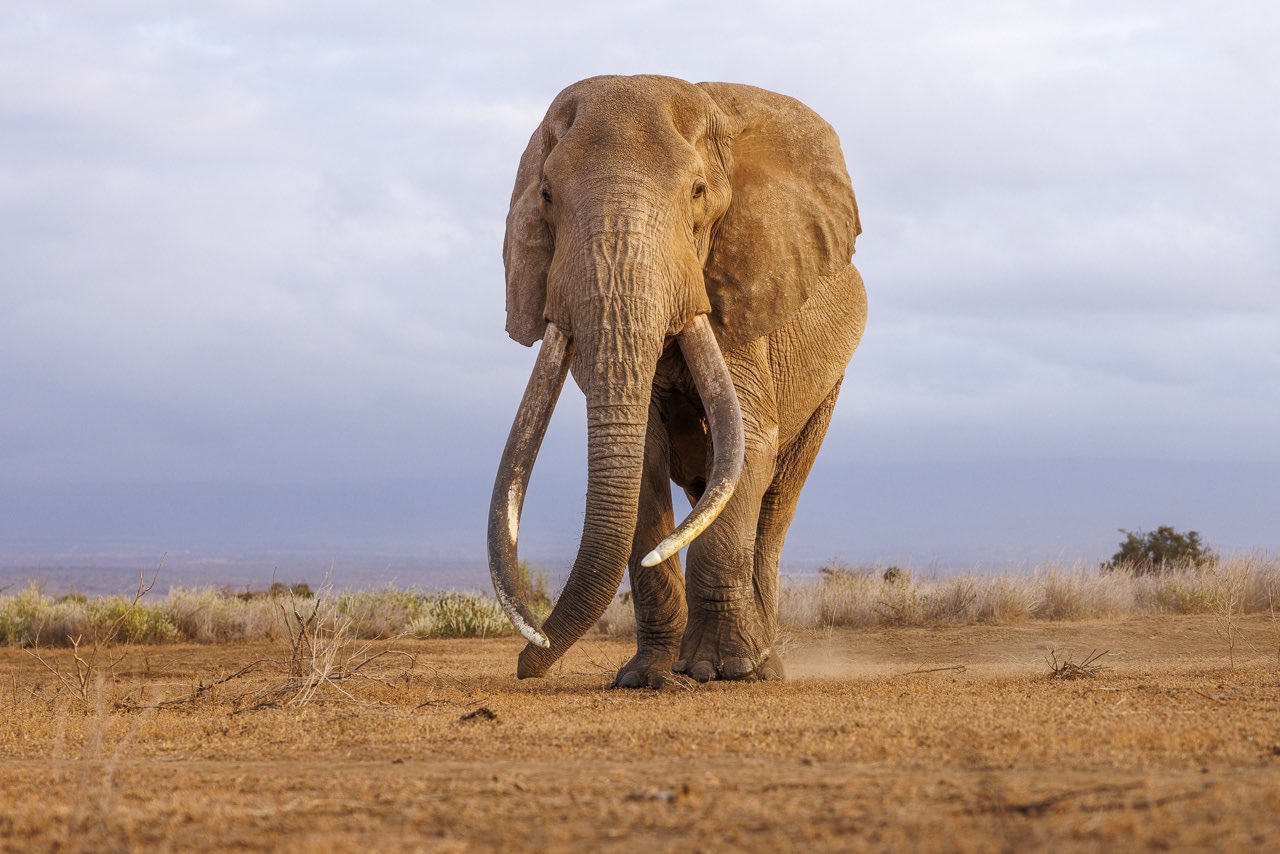
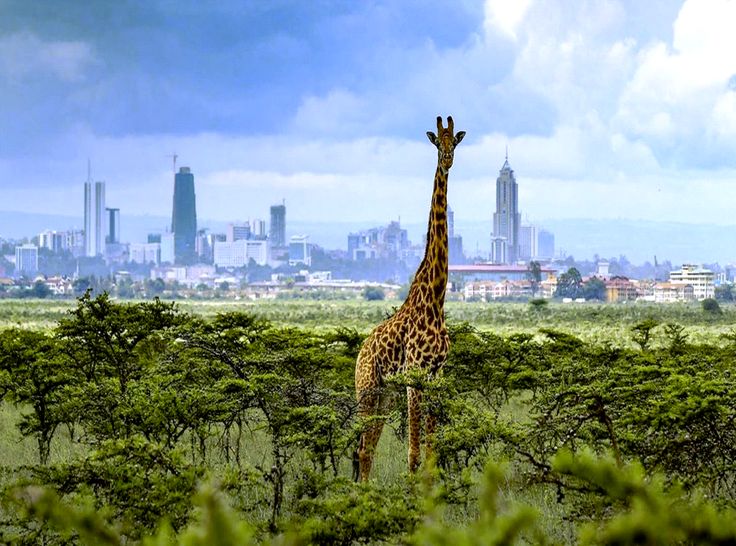
At the centre of the announcement was a deliberate shift away from an overreliance on traditional safari circuits. While the Maasai Mara, Amboseli and Tsavo remain global icons, the government is now pushing a more diversified tourism economy that blends wildlife with culture, urban experiences and large-scale business events.
Officials framed this as both an economic and environmental decision. Concentrating tourism in a handful of ecosystems has put pressure on land, water and wildlife, while leaving other regions underdeveloped and excluded from tourism revenues.
In the days leading up to Jamhuri Day, the government staged a week-long national festival showcasing destinations across the country, from coastal towns along the Indian Ocean to cultural heritage sites in western and northern Kenya. The aim was to encourage Kenyans to travel domestically while signaling to international markets that the country’s tourism offering goes beyond game drives.
Domestic tourism now accounts for nearly half of bed-night occupancy in some regions, providing a buffer when global travel slows and helping stabilise incomes for hotels, guides and transport operators.
The “Magical Kenya” brand sits at the heart of this repositioning effort. First launched more than a decade ago, the campaign is being refreshed to reflect a broader narrative that includes business travel, sports, creative industries and urban life alongside wildlife and beaches. President William Ruto said the goal is to attract visitors who stay longer, spend more and engage with multiple regions of the country. This matters in a continent where average tourist spending remains lower than in Europe or North America, even as arrivals grow.

Policy changes announced alongside the strategy point to a push for competitiveness. The introduction of an Electronic Travel Authorisation system is meant to reduce friction at the border and shorten processing times for visitors, an issue that has long affected travel decisions, particularly for conference delegates and business travellers. Kenya’s move mirrors similar reforms in Rwanda and Morocco, which have seen measurable increases in arrivals after easing entry requirements.
Another initiative, the Magical Kenya Souvenir Passport, is designed to nudge tourists beyond single-destination trips. By encouraging travel across counties, the government hopes to spread tourism revenue more evenly and create incentives for counties to invest in conservation, heritage sites and local infrastructure. County governments already receive a share of tourism-related revenues, but disparities remain stark, with coastal and wildlife-rich counties capturing the bulk of earnings.
Business tourism, known globally as MICE, is the fastest-growing pillar of the strategy. Kenya has emerged as a regional hub for conferences, hosting more than 200 international meetings annually before the pandemic.
The construction of the Bomas International Convention Complex, expected to be completed in 2026, is intended to anchor this segment. Once operational, it will be the largest convention centre in East and Central Africa, positioning Nairobi to compete more directly with cities such as Kigali, Cape Town and Addis Ababa. Conference tourism tends to generate higher per-capita spending and steadier year-round demand, reducing the seasonality that affects leisure travel.
Sustainability runs through the strategy, even if it is not framed in slogan-heavy terms. Tourism is inseparable from wildlife conservation in Kenya, where protected areas cover about 8 percent of the country and support an estimated 35 percent of national wildlife populations.
Revenues from park fees and conservancies fund ranger salaries, anti-poaching operations and community projects. However, climate change, human-wildlife conflict and land fragmentation are raising costs and eroding habitats. By promoting community-based tourism and spreading visitor flows, the government is betting that conservation can remain economically viable while reducing pressure on flagship parks.
Across Africa, similar calculations are underway. Countries such as Tanzania, Namibia and Botswana are also revisiting tourism models to balance conservation financing with community benefits and climate resilience. Kenya’s strategy adds weight to a broader continental debate about how tourism can support sustainability rather than undermine it, particularly as nature-based travel grows globally.
For Kenya’s labour market, the stakes are immediate. Tourism is one of the largest employers of young people, offering entry-level jobs in hotels, transport, events and guiding that are difficult to replicate in other sectors at scale.
With youth unemployment remaining above 30 percent, even incremental growth in tourism can have outsized social impact. The government argues that diversifying tourism products will create more stable and skilled jobs, especially in events management, logistics and creative services linked to business travel.
Engage with us on LinkedIn: Africa Sustainability Matters
Engage with us on LinkedIn: Africa Sustainability Matters