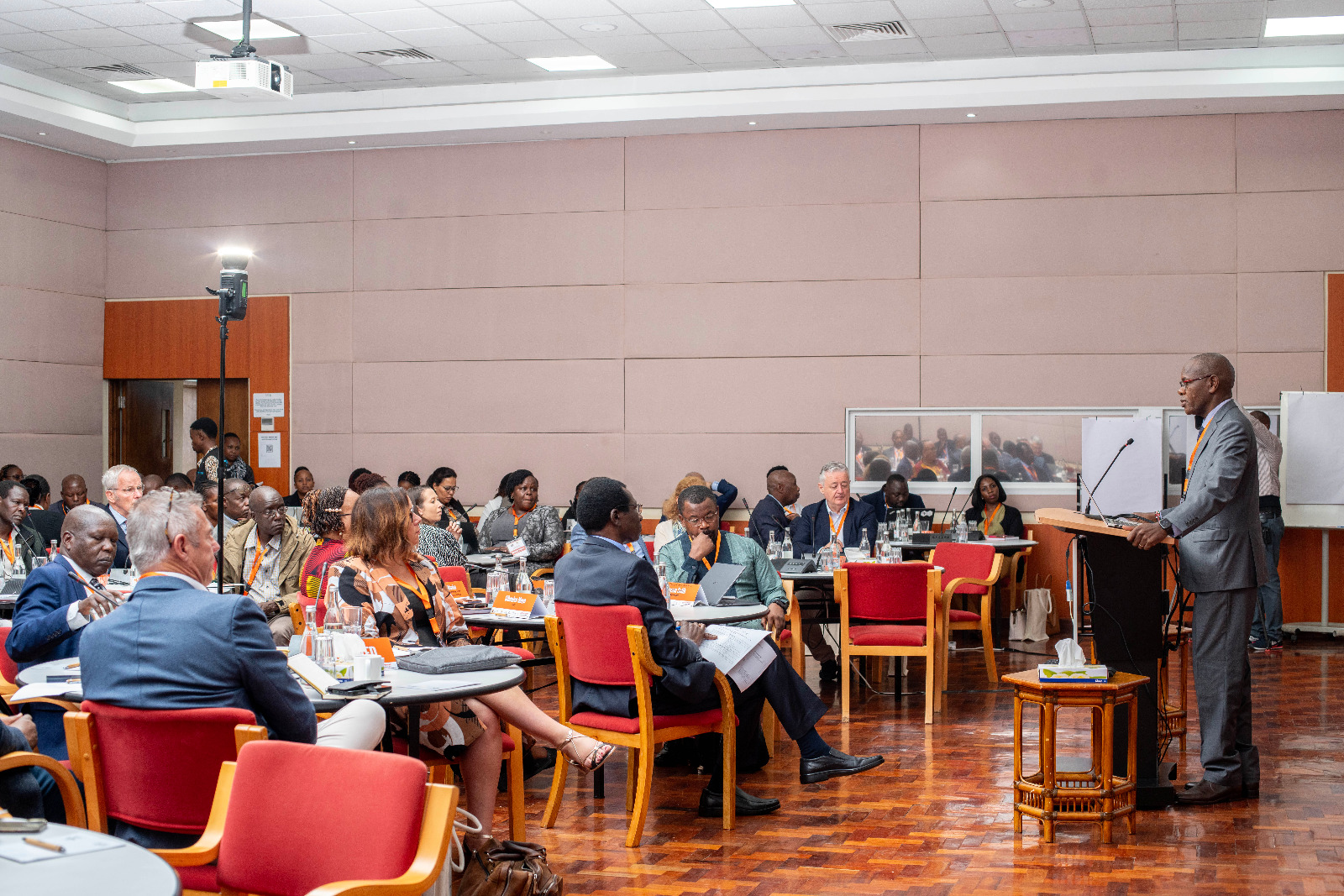

A landmark workshop convened in Nairobi in March 2026 to tackle one of Kenya’s most persistent agricultural challenges: the lack of accessible, affordable livestock disease diagnostics. Organised by the Directorate of Veterinary Services (DVS) in collaboration with the TAHSSL platform, which brings together GALVmed, the International Livestock Research Institute (ILRI), and Clinglobal, the gathering brought together government officials, veterinarians, researchers, development partners, private-sector actors, and farmer representatives to co-develop a practical roadmap for the future of animal health in Kenya.
According to Smart Farmer Africa, discussions centred on closing the gap between laboratory capacity and the day-to-day realities faced by farmers, particularly those in smallholder and pastoralist systems where disease outbreaks can wipe out entire herds overnight. The outcome of the workshop is expected to be a formal roadmap outlining key actions, partnerships, and investment priorities. Coverage from EnviroNews and Farmers Review Africa confirmed the workshop’s high-level government representation and the urgency of its mandate.
Kenya’s livestock sector is the backbone of rural livelihoods, yet it faces relentless pressure from devastating animal diseases. The Star Kenya, Farmers Review Africa, and EnviroNews all highlight that diseases such as Foot-and-Mouth Disease (FMD), Peste des Petits Ruminants (PPR), and Contagious Bovine Pleuropneumonia (CBPP) continue to reduce productivity, trigger market closures, and disrupt trade, including lucrative exports to Middle Eastern markets.
The economic toll is enormous. According to media reports, Kenya’s dairy sector produces around 4.3 billion litres of milk annually, with the government targeting 10 billion litres; a goal severely threatened by uncontrolled outbreaks. A beef deficit of approximately 300,000 metric tonnes annually compounds the challenge.
The East Africa regional FMD framework (2026-2035) estimated that transboundary animal diseases drain billions of dollars from Sub-Saharan Africa each year, underscoring the urgency of coordinated diagnostics infrastructure.
Critically, several of these diseases are zoonotic, they spread from animals to humans, placing livestock disease detection squarely within the domain of public health and food security. Research published in Frontiers in Veterinary Science and PubMed Central confirms that Kenya’s animal health surveillance systems face critical gaps, particularly in remote pastoralist areas where community-level disease reporters rely on mobile-phone-based systems that are inconsistently implemented.
Senior officials used the workshop to signal strong political will. Jonathan Mueke, Principal Secretary in the State Department for Livestock Development, called for expanded veterinary laboratory infrastructure and the integration of innovation and technology into service delivery. He noted that transforming the animal industry sector requires cross-sector collaboration, government alone cannot achieve it, and called on research institutions and the private sector to step up as partners.
The roadmap will also guide Kenya’s alignment with global PPR eradication targets by 2030, a commitment shared with the World Organisation for Animal Health (WOAH) and the Food and Agriculture Organization (FAO). Kenya’s participation in the East Africa FMD Roadmap 2026-2035, a 12-country regional framework, anchors domestic investments within a broader continental strategy.
“Early and accurate disease detection is critical not only for protecting livestock productivity, but also for safeguarding human health and ensuring food security. By strengthening diagnostics, we can respond faster to outbreaks, reduce misuse of drugs, and guide targeted vaccination campaigns.” – Dr. Allan Azegele, Director of Veterinary Services, Kenya
The Nairobi workshop will produce a formal report and roadmap with concrete actions, investment priorities, and partnership structures. According several reports, key action areas include: identifying priority diagnostic needs; exploring innovative delivery models for point-of-care testing in remote areas; integrating diagnostics into routine animal health services; and strengthening the alignment between county-level disease reporters and national laboratories.
The doubling of Kenya’s veterinary diagnostic laboratories; from 8 to 16, is central to this roadmap, supported by partnerships with ILRI and GALVmed under TAHSSL. The East Africa FMD Strategic framework 2026-2035, endorsed by 12 Eastern African countries, provides a complementary regional architecture within which Kenya’s domestic investments can be amplified and de-risked through shared resources and data.
This workshop represents the kind of systems-level, multi-stakeholder intervention that lasting sustainability demands. Connecting climate-resilient agriculture, food security and the One Health approach, which integrates human, animal, and environmental health, Kenya is building an agricultural system resilient enough to withstand the compounding shocks of climate change, disease, and economic volatility. The roadmap expected from this workshop will be a document worth watching closely.
Engage with us on LinkedIn: Africa Sustainability Matters