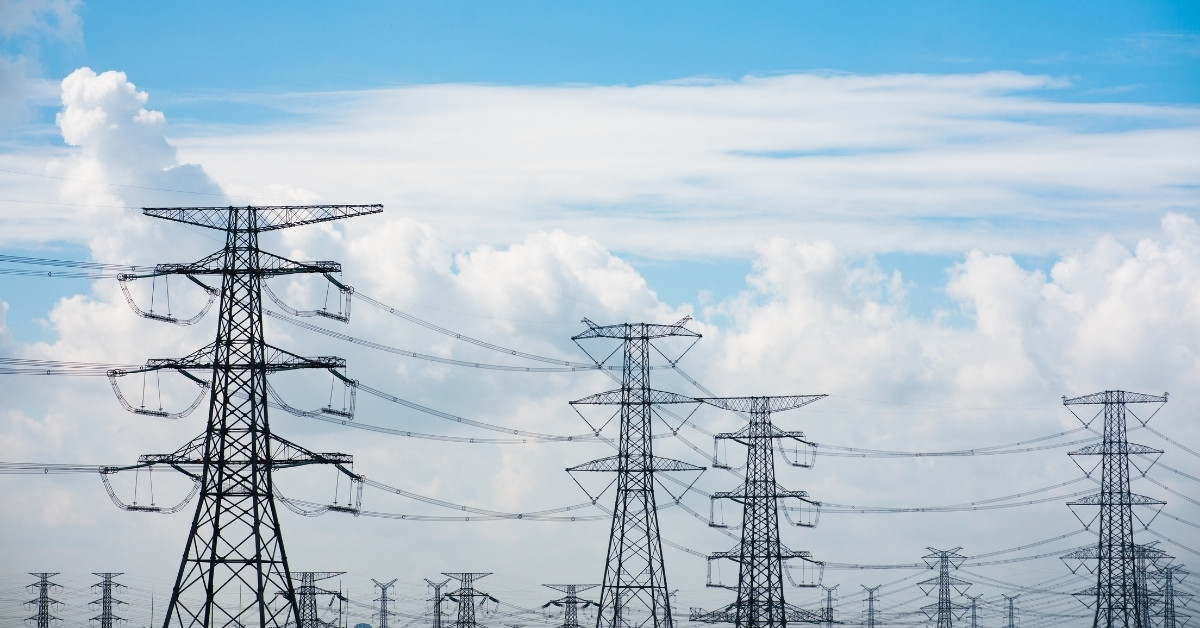

Kenya has taken a decisive step toward strengthening its energy infrastructure with the energization of the 400/220kV Mariakani Substation, a project expected to transform electricity supply for households, communities, and industries across the Coastal region.
The substation, commissioned by the Kenya Electricity Transmission Company (KETRACO), now forms a critical link in the national grid, connecting the Coast to power generated hundreds of kilometres away. It represents one of Kenya’s most significant grid upgrades in recent years and marks the culmination of nearly a decade of engineering work designed to stabilise supply between Nairobi and Mombasa.

The Mariakani installation sits on the larger Mombasa–Nairobi transmission corridor, a network engineered to transfer more than 1,000 megawatts of electricity between Kenya’s two largest population and economic hubs.
For years, the Coastal region has faced recurring instability, especially during peak demand hours when demand outstripped locally available power. Local grids relied heavily on diesel-powered generation plants to fill the gap, locking consumers into high electricity prices and exposing businesses to occasional outages. With this energization, the region is expected to draw far more power from geothermal, wind, and hydro resources generated inland and imported regionally, reducing dependence on fossil fuel-based backup.
Read also: Standard Chartered raises €1 billion Green Bond for emerging market climate projects
KETRACO’s Acting Managing Director Kipkemoi Kibias described the substation as a decisive reinforcement of the transmission backbone that supports Kenya’s growing energy economy. He said the facility introduces reliability the Coast has lacked for years and positions the region to benefit from lower-cost power flowing through the grid.
By cutting the need for fuel-based power at peak hours, the substation is expected to lower grid operating costs, stabilise voltage levels and offer predictable supply to industrial parks, hotels, and small enterprises that have previously factored power disruptions into their operating models.
The substation is also strategically positioned within Kenya’s wider integration into regional power markets. It stands at a junction benefiting from both the 500kV Ethiopia–Kenya interconnector; completed recently to bring hydropower south, and the 400kV Kenya–Tanzania interconnector that links power systems in East Africa. Combined, these lines open the possibility of greater power exchanges across borders and support Kenya’s ambition to reach a fully clean energy power mix by 2030.

Geothermal fields at Olkaria, wind generation from Turkana and hydropower imports from Ethiopia are now better able to reach coastal demand centres without being bottlenecked by older, lower-voltage transmission infrastructure.
Financing for Mariakani represents a partnership between national and continental institutions. The KES 3 billion investment was co-funded by the Government of Kenya and the African Development Bank (AfDB), reflecting the lender’s growing involvement in electricity infrastructure across the continent. Construction and equipment installation were carried out by China CAMC Engineering Co. Ltd, while KETRACO oversaw supervision, technical direction, and domestic integration.
AfDB’s support extends beyond the substation footprint; the bank also financed the high-voltage lines linking Mariakani to both Nairobi and Rabai as part of the larger transmission upgrade programme.
Read also: New 10-year regional strategy aims to fix Africa’s fragile medicines supply chains and cut costs
The Mariakani energization completes the second phase of the Mombasa–Nairobi Transmission Line Project. Phase II introduced 400/220kV substations at Isinya and Mariakani and upgraded long stretches of line to accommodate higher capacities.
The earlier phase of the project, commissioned in 2017 at a cost of KES 17 billion, constructed a 492-kilometre double-circuit line from Rabai to Embakasi, underwritten by a coalition including AfDB, the European Investment Bank, the French Development Agency and the Kenyan government. The second phase, costing KES 7 billion, delivers the voltage boost required to move significantly more power and reduces energy losses that occur over long-distance transfers.
With the energization now executed, the expectations for the region are practical and immediate. Firms operating in Mombasa and surrounding counties are projected to benefit from stable supply, allowing factories to expand shifts without the cost of standby generators.
Hotels and resorts along the Coast, accustomed to budgeting for interruptions, will gain more predictable energy input, supporting the tourism economy. Local businesses, from fish processors to grain millers, are poised to access power more reliably and at lower effective cost. Households, which often experience voltage dips in densely populated areas, are expected to see fewer fluctuations.
Beyond economics, the project reinforces Kenya’s global positioning as a leader in clean grid development. With over 90 percent of its electricity generated from renewable sources, the country is building the transmission backbone required to absorb more capacity as new geothermal plants and wind farms come online.
Mariakani’s commissioning signals that investment in generation is being matched by investment in grid stability, ensuring that clean electrons travel to the households and enterprises that need them most.
Engage with us on LinkedIn: Africa Sustainability Matters
Engage with us on LinkedIn: Africa Sustainability Matters