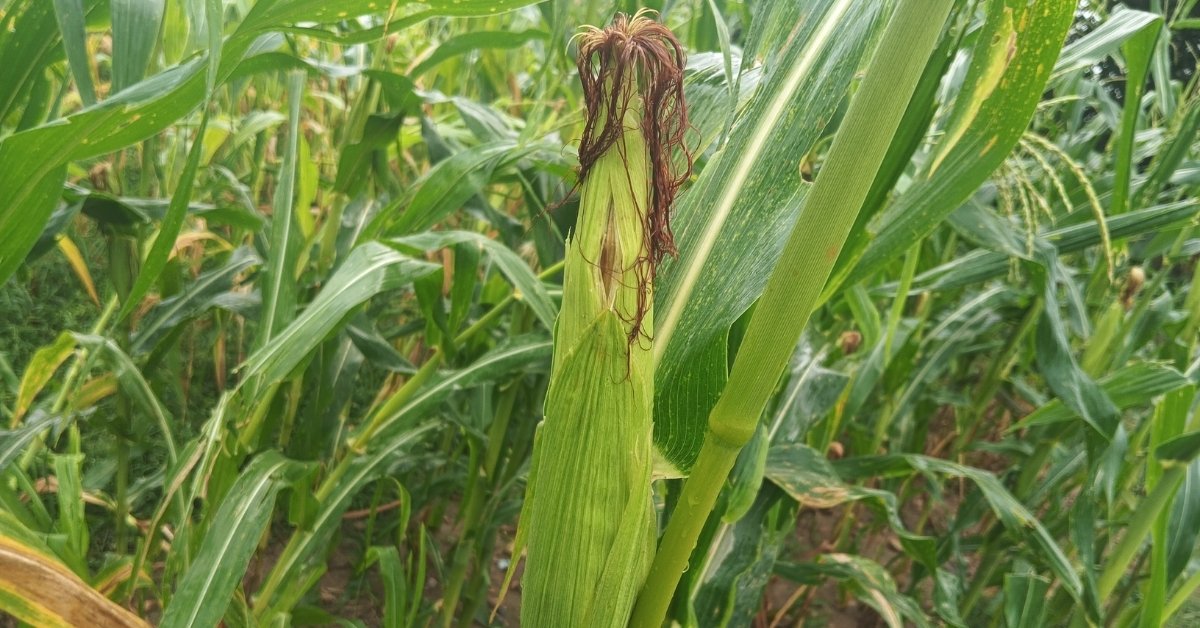

After years of watching striga weed wipe out her maize harvests, smallholder farmer Margaret Awinja turned to imazapyr-resistant maize, a shift that restored production on her western Kenya farm and later positioned her as a resource for other farmers confronting declining yields.
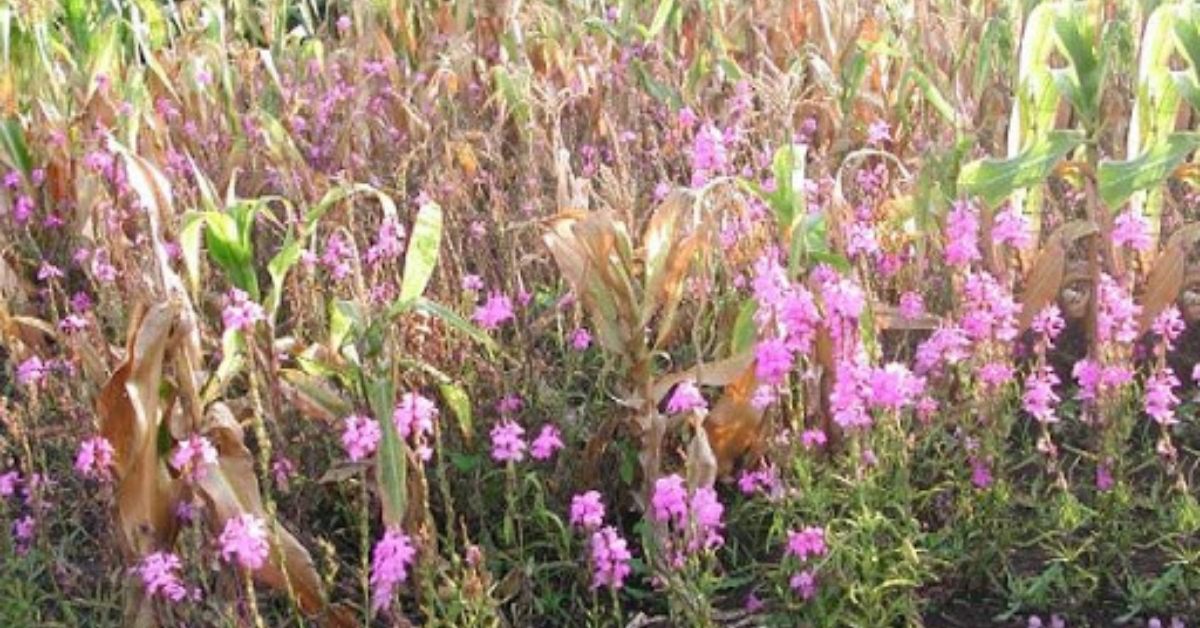
Striga remains one of the most destructive weeds in maize-growing regions across sub-Saharan Africa, affecting an estimated 40 million hectares and contributing to annual crop losses valued in the billions of dollars. In Kenya’s western counties, where maize is both a staple food and a source of income, the weed has historically made farming unpredictable. Awinja’s experience mirrors that of thousands of smallholder farmers who struggle to recover once yields collapse.
Read also: Marrakech, Morocco, launches UNDP-backed master plan for integrated green waste management
After introducing imazapyr-resistant maize in 2008, Awinja saw striga disappear from her fields. The change allowed her to diversify beyond maize into bananas and beans, improving household food security and income stability. The success also drew her into farmer leadership. As director of the Western Region Farmers Network in Kakamega County, she began working with other farmers to share practical knowledge on crop management and improved seed varieties.
Her work expanded as Kenya’s public agricultural extension services weakened, leaving many rural farmers without regular technical support. Through farmer groups coordinated under WEREFANET, communities pooled resources to access training on good agricultural practices and new technologies. Awinja estimates that about 60,000 farmers have benefited from programmes supported by the African Agricultural Technology Foundation through its Technologies for African Agricultural Transformation initiative.

Just as farmers were beginning to adapt to climate pressures such as irregular rainfall and longer dry spells, a new threat arrived. Fall armyworm was first reported in Kenya in 2017 and spread rapidly across maize-growing regions.
By 2018, it was responsible for losses estimated at one million tonnes of maize, roughly a third of national production at the time. Across Africa, a 2021 continent-wide assessment identified fall armyworm as the most economically damaging invasive species, with annual losses estimated at US$9.4 billion.
The pest’s resilience has challenged conventional control methods. Smallholders often lack access to effective pesticides or the means to apply them safely, while repeated spraying increases costs and environmental risks. For farmers already operating on thin margins, the pest has compounded food insecurity and financial strain.
Awinja believes the response must again come from crop science. Drawing on her experience with imazapyr-resistant maize, she has become an advocate for genetically modified Bt maize, which is engineered to protect plants from fall armyworm and stem borers. The technology uses a protein derived from the soil bacterium Bacillus thuringiensis, which targets specific pests without harming the crop.
Field trials in other countries have shown that Bt maize can significantly reduce pest damage while lowering reliance on chemical sprays. For Kenya, where maize accounts for more than a third of caloric intake nationally, the stakes are high. Yield losses ripple beyond farms into food prices, import bills and household nutrition.
This year, Awinja says fall armyworm damage on her farm has been severe, reinforcing her interest in planting demonstration plots once Bt maize becomes available. Her goal is not only to improve her own yields but to provide evidence farmers can see for themselves.
She argues that pest-resistant maize could help stabilise production, reduce post-harvest losses caused by damaged grain, and improve overall grain quality. For smallholders, consistent yields often determine whether families remain food secure or are forced to sell assets during lean seasons.

Kenya’s maize farmers are navigating a convergence of challenges: climate variability, invasive pests, limited extension services and rising input costs. The experience of farmers like Awinja highlights how access to appropriate technology, combined with local knowledge-sharing, can influence outcomes at scale.
As regulatory and policy discussions around genetically modified crops continue, farmers on the ground are weighing solutions based on lived experience. For Awinja, the lesson from the past is clear. When science meets practical need, it can restore both confidence and productivity in fields that once seemed beyond recovery.
Engage with us on LinkedIn: Africa Sustainability Matters