
Global attention has largely focused on the surge in oil prices following escalating military tensions involving Iran and its regional adversaries. However, beneath the headlines about crude markets lies a quieter and potentially more destabilising threat to global stability: the disruption of fertiliser supply chains that underpin modern food production.
For farmers from the U.S. corn belt to Kenya’s Uasin Gishu County, the war that began on February 28, 2026, when U.S. and Israeli strikes hit Iranian nuclear and military infrastructure, has immediate consequences.
Prices for urea, the nitrogen fertiliser critical to half of global food production, have surged, delivery timelines have stretched, and smallholders are left facing difficult planting decisions.
In South Dakota, farmer Chet Edinger reported paying 22% more for urea than last autumn, the highest price he has ever faced. In East Africa, the timing coincides with the onset of the March long rains, when nitrogen application determines both yields and income.
The fragility of the global fertiliser system stems from its dependence on a narrow set of inputs and chokepoints. The Haber-Bosch process, which converts natural gas into ammonia and subsequently urea, remains central to crop nutrition worldwide.
Roughly 20–30% of globally traded fertiliser, including urea, ammonia, phosphates, and sulphur, passes through the Strait of Hormuz, according to the International Food Policy Research Institute (IFPRI). Qatar, Saudi Arabia, and the UAE account for a substantial share of exports, with Qatar alone responsible for around 11% of global urea shipments. When production or shipping from the Gulf is disrupted, the consequences ripple through supply chains rapidly.
The early effects of the current conflict have already been observed. QatarEnergy halted operations at Ras Laffan, the world’s largest single-site urea plant, after damage to gas infrastructure. Iranian fertiliser producers ceased output, while Egyptian and Jordanian operations experienced interruptions due to gas supply shortages.
In India, three Indian Farmers Fertiliser Cooperative Ltd. (IFFCO) plants cut production after LNG imports from Qatar were delayed. Sulphur markets, critical to phosphate fertiliser, also tightened, with China and Indonesia, both heavily dependent on Middle East sulphur imports, struggling to source cargoes. As a result, Middle East urea rose to $590 per metric tonne by March 5, up 19% in a week, while U.S. Gulf DAP prices increased 5% to $655/MT, according to Kpler and IFPRI data.
Unlike crude oil, nitrogen fertiliser lacks a strategic reserve. This absence leaves import-dependent countries acutely exposed. African nations south of the Sahara hold no government-managed reserves of meaningful scale. Kenya, for example, imports almost all of its fertiliser and already faced supply shortfalls in 2022, which contributed to an 18% decline in maize output relative to the five-year average.
Read also: Nairobi city floods expose Kenya’s urban planning failures amid intensifying climate risks
Malawi, landlocked and heavily reliant on subsidies, sees urea costs for farmers exceed eight times the global benchmark. Ethiopia and Tanzania, with developing local blending facilities, remain dependent on imported raw materials whose supply is now uncertain.
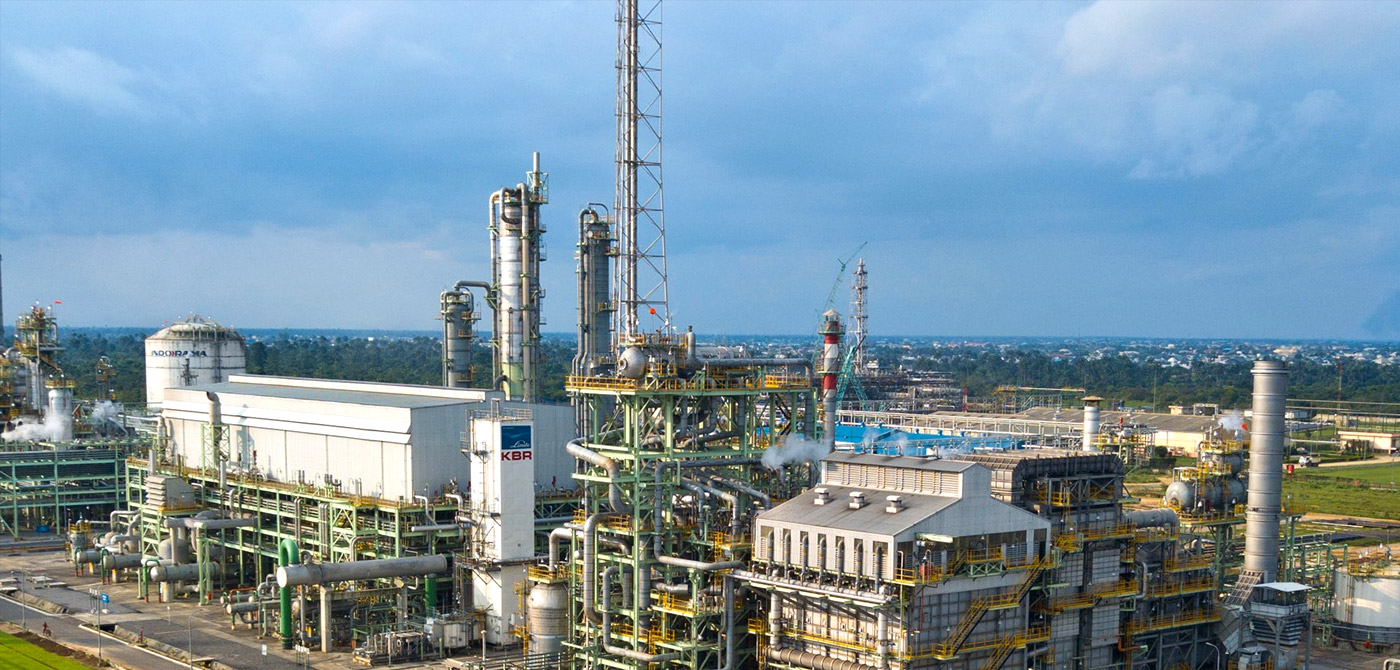
Nigeria represents a partial exception: its domestic Indorama urea plant and Dangote fertilizer provide a buffer and, if mobilised, could supply neighbouring countries experiencing shortages. South Africa relies on competitive markets to manage cost pressures, but fertiliser accounts for up to half of grain production expenses, limiting resilience.
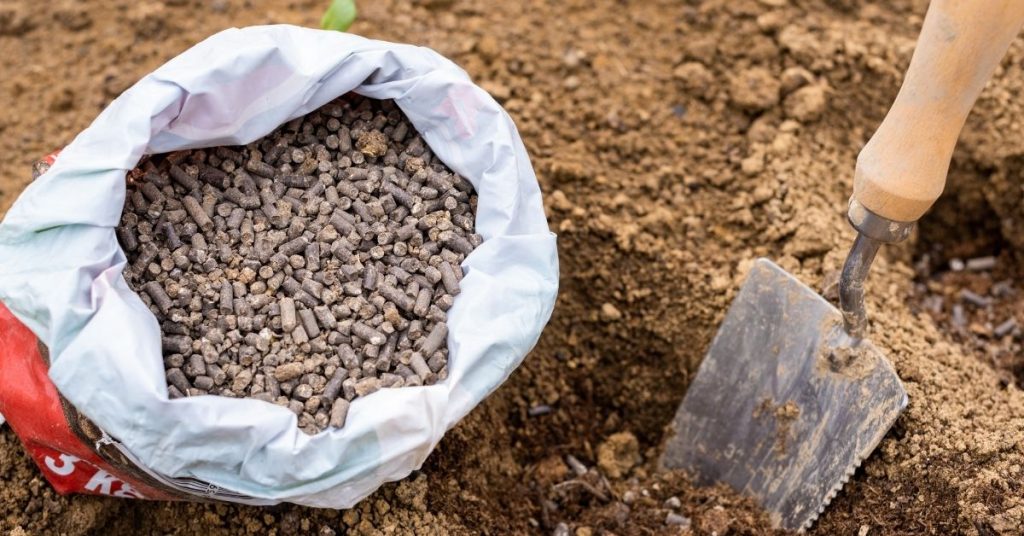
The war’s timing compounds the risk. Northern Hemisphere farmers have little flexibility to adjust planting decisions once the shock has materialised. Vessels leaving the Persian Gulf now face transit delays of several weeks if rerouted around the Cape of Good Hope, adding both cost and delivery risk.
In sub-Saharan Africa, the planting window is equally narrow. Kenya’s long rains, Ethiopia’s Belg season, and West Africa’s main planting season each represent once-per-year opportunities for nitrogen application. Missed or delayed fertiliser applications translate directly into reduced yields and income shortfalls.
African phosphate producers are also intertwined in the crisis. Morocco, Tunisia, and Egypt produce a significant share of the continent’s DAP and phosphate supply, yet they rely on Middle Eastern sulphur imports for processing. Any sustained shortage threatens regional availability of fertiliser, compounding the pressure on smallholders already exposed to import price volatility.
According to the African Fertilizer Financing Mechanism, production in Africa is concentrated in six countries: Egypt, Tunisia, South Africa, Algeria, Nigeria, and Morocco. Disruption in input supply, even partial, can shrink the continent’s own production capacity at a critical moment in the agricultural calendar.
Policy responses and mitigation options are constrained. Governments in Africa can adjust subsidies, facilitate trade, or release limited local stockpiles, but the scale of the Gulf disruption exceeds current buffers. Export-oriented domestic production, as in Nigeria, may offer relief if rapid cross-border distribution is implemented under the African Continental Free Trade Area framework. Yet financial, logistical, and regulatory obstacles remain.
In the medium term, green ammonia presents a potential pathway to reduce dependence on imported fossil-fuel-based nitrogen. Morocco has advanced green hydrogen and ammonia initiatives under its national “Morocco Offer” framework, targeting industrial-scale production by 2026.
South Africa is planning green ammonia capacity exceeding one million tonnes per year by 2027. While these initiatives demonstrate feasibility, the current gap between potential green ammonia supply and global demand means that immediate relief from the current crisis is unlikely. Investment, policy commitment, and coordination would be required to translate these projects into tangible resilience for African farmers.
The fertiliser disruption is not merely a commodity story; it is a development and fiscal concern. Input price spikes increase production costs, reduce yields, and threaten food security, particularly for smallholders reliant on imported nitrogen. Governments face pressure to expand subsidies or secure alternative imports, straining public finances already challenged by debt and inflation.
Engage with us on LinkedIn: Africa Sustainability Matters