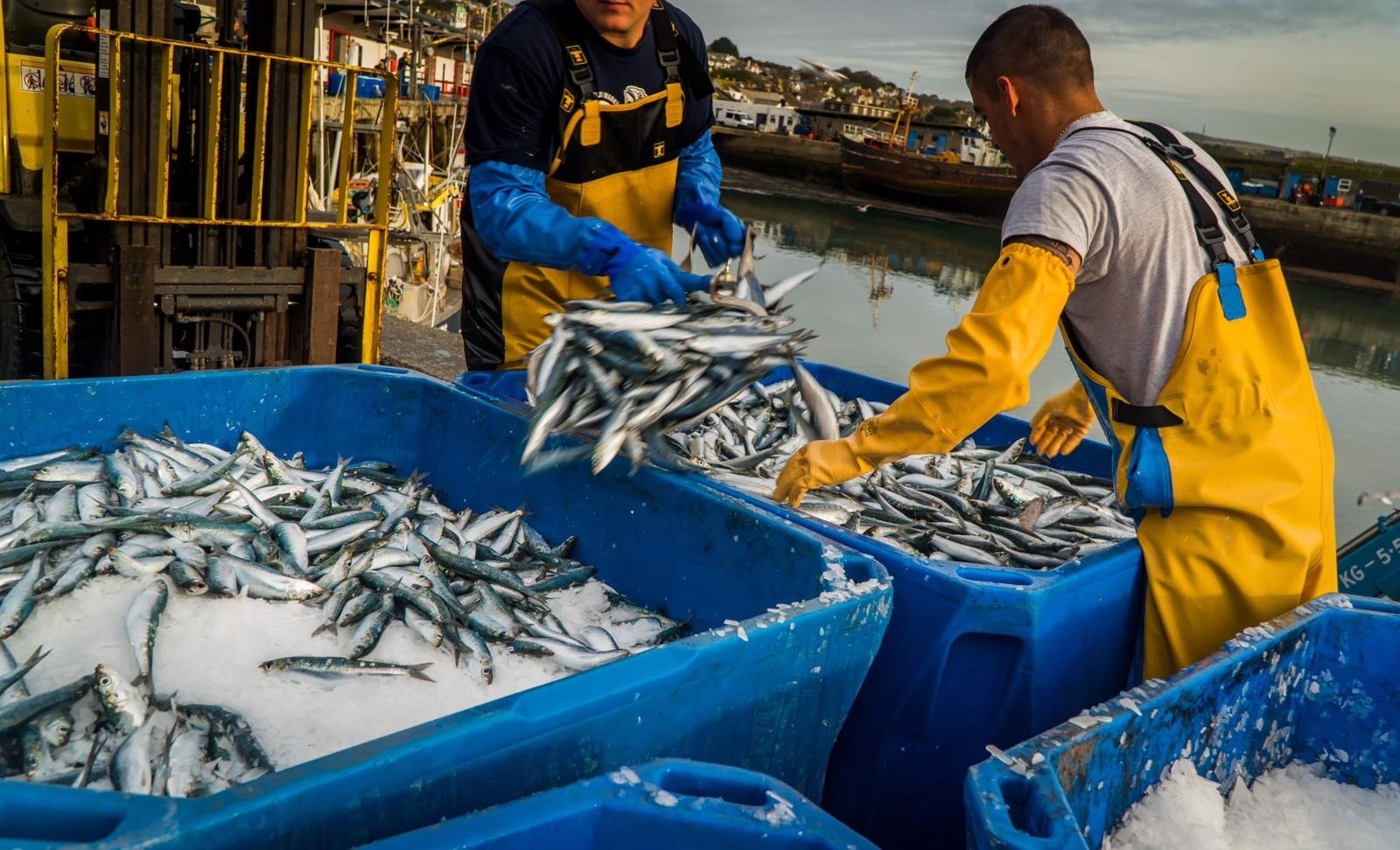

Morocco will halt the export of frozen sardines starting February 1, 2026, in a move aimed at safeguarding domestic food supplies and stabilizing prices for one of the country’s most widely consumed sources of protein. The announcement, made by Secretary of State for Maritime Fisheries Zakia Driouich in parliament, affects thousands of tonnes of fish destined for Europe, West Africa, and Asia, underscoring the delicate balance between Morocco’s export-driven fisheries and local food security.

The suspension comes amid declining sardine stocks along Morocco’s Atlantic coast, which supports the world’s largest sardine fishery. According to official figures, sardine landings fell from approximately 965,000 tonnes in 2022 to just over 525,000 tonnes in 2024, a drop of nearly 46 percent. The reduction has been attributed to environmental factors, including changing ocean temperatures, shifts in plankton distribution, and climate variability, which have affected fish migration and reproduction cycles.
Read also: Zimbabwe rolls out FAO voucher programme as El Niño threatens food security
For Moroccan consumers, the decline has translated into rising prices. In urban markets from Casablanca to Agadir, the wholesale price of fresh sardines surged last year, prompting concern among low- and middle-income households that rely on the fish as a staple.
The government cited these pressures as a key reason for the export freeze, which aims to prioritise domestic availability, particularly as Ramadan approaches, a period traditionally associated with higher consumption of fish. Driouich did not provide a definitive end date for the ban, leaving the duration uncertain for industry stakeholders.
Morocco’s sardine industry is a cornerstone of the country’s maritime economy. Frozen sardines alone generated an estimated US$83 million in exports in 2023, with broader fish and seafood exports contributing billions of dirhams to the national economy. The decision to restrict exports highlights the tension between maintaining Morocco’s position in global markets and meeting domestic food demand.
Processing plants that rely heavily on frozen sardines for export could face underutilisation, raising concerns about potential job losses in coastal communities where fishing and fish processing are major economic activities.
Beyond economic implications, the policy reflects a growing recognition of sustainability challenges in Africa’s fisheries sector. Coastal species such as sardines constitute roughly 80 percent of Morocco’s small pelagic resources, and overfishing, combined with environmental stressors, has placed mounting pressure on these stocks.

Industry bodies, including the National Union of Fish Canning Industries, have long advocated for stricter monitoring of fishing practices, port inspections, and protection measures for juvenile fish to ensure long-term viability.
The export suspension has broader regional significance. Several West and North African countries rely heavily on seafood exports for foreign exchange while simultaneously grappling with domestic food security pressures. Morocco’s approach illustrates the difficult trade-offs governments face in balancing local nutrition needs with commercial interests in a climate-constrained environment.
Analysts warn that if sardine populations continue to decline, the gap between export ambitions and domestic consumption requirements may widen, forcing similar policy interventions elsewhere.
Read also: New 10-year regional strategy aims to fix Africa’s fragile medicines supply chains and cut costs
On the ground, fishermen and processors are already adjusting to the new reality. Traders report tighter landings, higher domestic prices, and a scramble to meet local demand, while small processing plants face uncertainty over production schedules. For consumers, the government’s decision offers a temporary reprieve, promising more consistent availability and potential relief from price spikes.
The move also raises questions about the resilience of global seafood supply chains. Morocco’s sardines are integral to international markets, particularly in Southern Europe and West Africa. Any prolonged export freeze could ripple through these networks, highlighting the interconnectedness of local fisheries management and global trade.
As Morocco implements the embargo, policymakers, industry stakeholders, and environmental advocates will be watching closely. The outcome will serve as a test of whether prioritising domestic consumption can be reconciled with sustaining exports and protecting marine resources in the long term.
The decision underscores the growing importance of adaptive fisheries management in the face of environmental, economic, and social pressures, setting a precedent for how nations across Africa and beyond may approach similar dilemmas in the years ahead.
Engage with us on LinkedIn: Africa Sustainability Matters